Two Women Killed After Tesla Hits Flatbed Truck Near Homestead
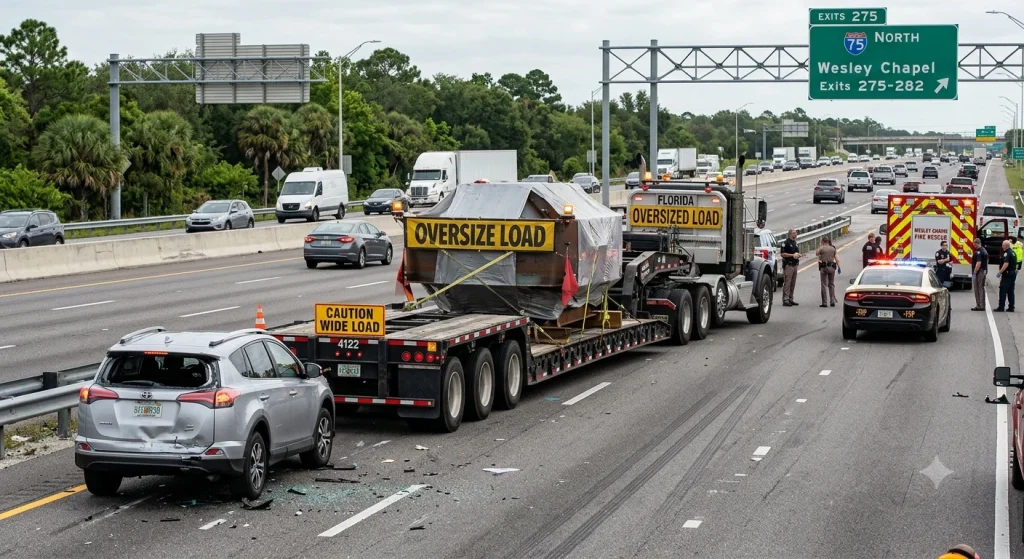
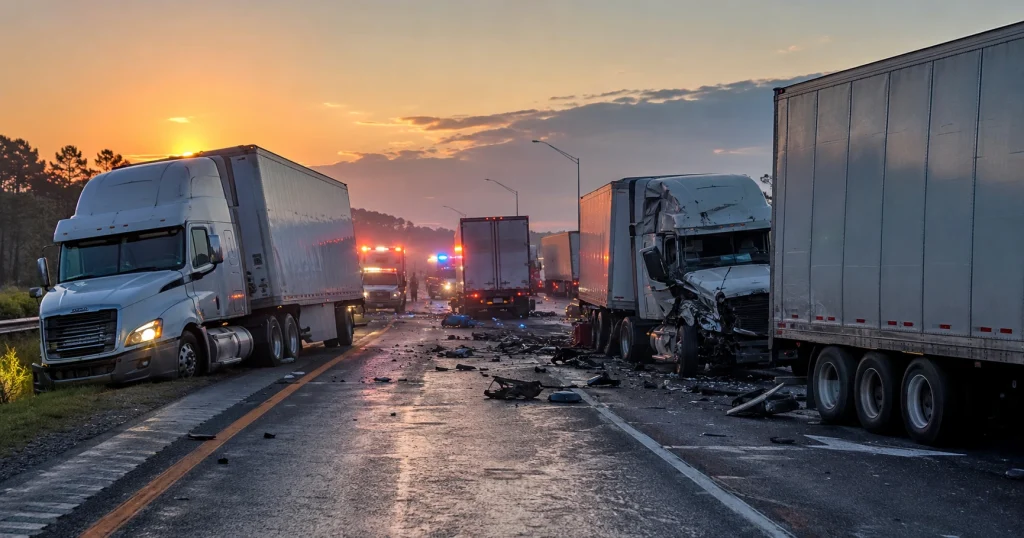
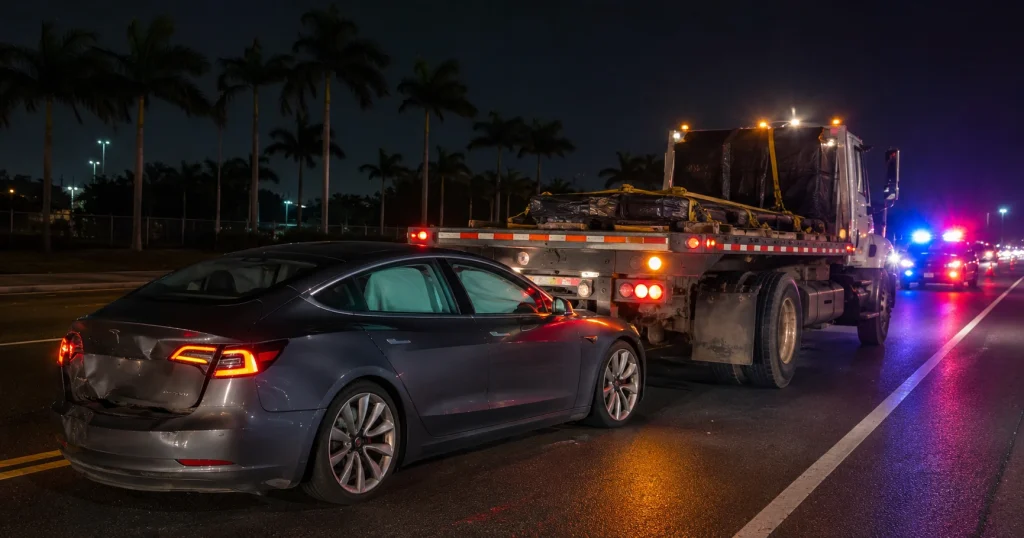
What You Need to Know Two women died after a Tesla struck the rear of a flatbed commercial truck in southwest Miami-Dade. FHP said the crash happened around 2:30 a.m. on June 25, 2026. The truck was reportedly traveling about 20 mph with a caravan of work trucks. Investigators have not publicly announced the cause of the Tesla hitting the truck. Electronic data, vehicle inspections, video, and company records may help explain what happened. Had a bad day? Call The Reyes Firm at 833-4 BAD DAY. The Homestead Tesla truck crash left two young women dead and their families searching for answers. The collision involved a Tesla sedan and a slow-moving flatbed commercial truck on South Dixie Highway. Florida Highway Patrol has not publicly identified the cause. That means no one should assume that a single fact, including the rear impact, tells the full story. A complete investigation should examine both vehicles, both drivers, the truck company, roadway visibility, vehicle lighting, electronic data, and nearby video. What Happened in the Homestead Tesla-and-Flatbed Truck Crash? The crash happened at about 2:30 a.m. on June 25, 2026, in the northbound lanes of South Dixie Highway near Southwest 127th Avenue in southwest Miami-Dade. FHP said a gray Tesla struck the rear of a flatbed commercial truck traveling in a slow-moving caravan. Two women died at the scene. Local 10 reported that the commercial truck was moving at about 20 mph with other trucks. The truck drivers had reportedly finished working nearby before the crash. The two women were described as being in their late 20s or early 30s. Their bodies were removed from the Tesla several hours after the collision. U.S. 1 was closed between Southwest 240th Street and Southwest 232nd Street while troopers investigated. The cause remained under investigation at the time the report was updated. Reported detail Current information Date June 25, 2026 Approximate time 2:30 a.m. Location Northbound South Dixie Highway near Southwest 127th Avenue Vehicles Gray Tesla sedan and flatbed commercial truck Truck movement Reportedly traveling about 20 mph in a caravan Fatalities Two women in the Tesla Investigation Ongoing at the time of the news report No public report reviewed for this article states that automated driving technology was active. It also does not establish that the truck, the Tesla driver, or another party caused the crash. Where Did the Tesla Truck Crash at the Homestead Happen? The crash was reported in the northbound lanes of South Dixie Highway near Southwest 127th Avenue in southwest Miami-Dade County, near Homestead, Florida. Map shows the reported area of the crash and is provided for illustrative purposes only. 💡 Did You Know? FLHSMV’s preliminary 2024 report recorded 46,651 commercial motor vehicle crashes and 315 related fatalities in Florida. The report also found that 45% of fatal crashes occurred at night, between 7 p.m. and 6 a.m. Is the Rear Driver Always at Fault After Hitting a Slow-Moving Truck? No. A rear impact puts close attention on the following driver’s speed, distance, braking, and awareness, but it does not replace a complete investigation. In a fatal commercial truck crash, investigators should also examine the truck’s visibility, lighting, lane position, speed, company instructions, roadway conditions, and the conduct of every involved driver. Important questions may include: How fast was the Tesla traveling before impact? Did the driver brake or steer before the collision? Were the flatbed truck’s taillamps working? Were its reflective materials present and visible? Was the truck traveling fully within its lane? Were hazard lights or other warnings being used? How was the work-truck caravan organized? Was the roadway properly lit? Was distraction, fatigue, impairment, or a medical emergency involved? Florida law requires most motor vehicles, trailers, and semitrailers to have at least two rear taillamps. Those lamps must emit red light visible from 1,000 feet under the conditions described by the statute. Florida also requires stop lamps and turn signals on covered vehicles. Federal commercial vehicle rules also address required lamps and reflective devices. An inspection should document the condition of the truck before repairs, cleaning, or normal use changes the evidence. A lighting rule does not prove that a violation occurred in this crash. It identifies an issue investigators should examine before reaching a conclusion. What Evidence Could Explain Why the Tesla Hit the Flatbed Truck? The most useful evidence may come from both vehicles, the roadway, nearby cameras, and company records. Investigators should preserve electronic data from the Tesla and truck, inspect the flatbed’s rear lighting and reflective materials, review phone and toxicology evidence, locate witnesses, and collect GPS, dispatch, dashcam, and maintenance records before they disappear. Important evidence for a truck accident may include: Event data recorder information from both vehicles Speed, braking, steering, and throttle data Available vehicle camera footage Truck dashcam footage GPS and telematics records Dispatch instructions and work assignments Maintenance and inspection records Taillamp, stop-lamp, and reflector inspections Photos showing vehicle positions and damage Skid marks, debris, and roadway measurements Traffic, business, and residential camera footage Cell phone records Toxicology findings Witness statements FHP scene photographs and reports Investigators should also identify the truck, its owner, the motor carrier, the driver’s employer, and the company that organized the caravan. ⚠️ Warning: Florida Statute § 95.11 generally gives families two years to file a negligence or wrongful death lawsuit. Evidence can disappear much sooner. Vehicles may be repaired, electronic data may be overwritten, and surveillance video may be deleted within days or weeks. Can Families File a Wrongful Death Claim After a Fatal Commercial Truck Crash? A wrongful death claim may be available when evidence shows that negligence by a driver, company, vehicle owner, contractor, maintenance provider, or another party caused the death. Florida requires the personal representative of the estate to bring the case for eligible survivors and the estate. The available damages depend on each family’s facts. Florida’s Wrongful Death Act allows a claim when a person’s death results from negligence, a wrongful act, a default, or certain other legal violations.