News

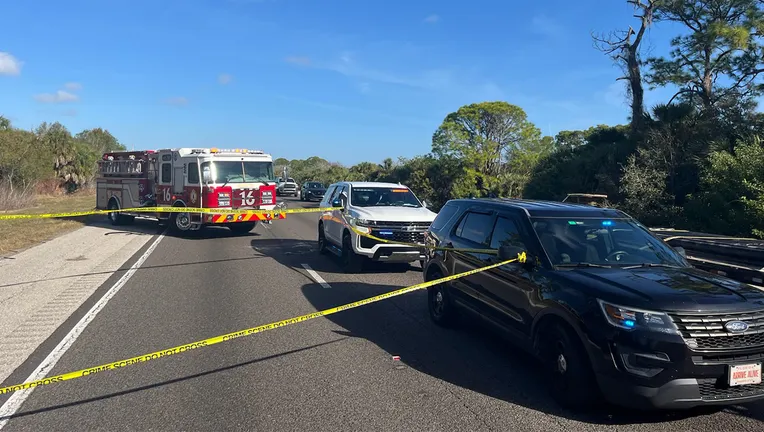
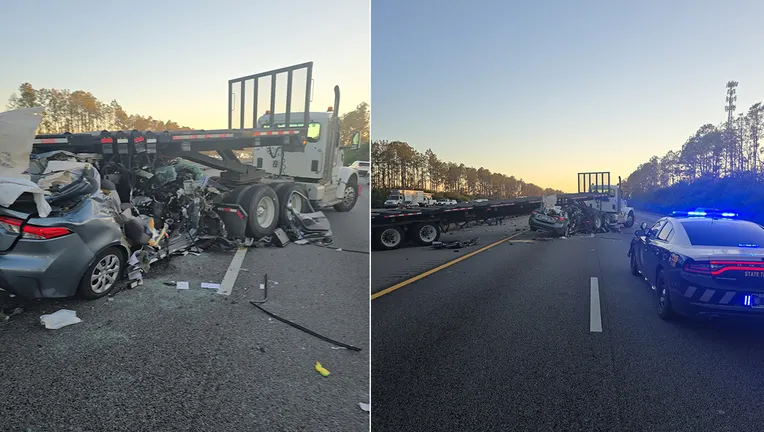
Edgewater truck accident lawyer article graphic showing a semi-truck after a fatal I-95 crash in Edgewater, Florida.
Blog, News, Truck Accidents

Edgewater Truck Accident Lawyer: What to Know After a Fatal I-95 Crash

After a serious crash, most people are not thinking about legal strategy. They are thinking about the phone call they just got, the damage they saw on the road, and whether life is about to get harder than it already feels. In a fatal or life-changing collision, the questions come fast. Was it really just a rear-end crash? Could the truck company be responsible too? What should an injured person or grieving family do before evidence disappears? This guide is built to give structure in that moment. For anyone searching for an Edgewater truck accident lawyer after the fatal I-95 crash near Edgewater, this article explains what happened, what steps matter now, and how Florida law may affect an injury or wrongful death claim. Quick Summary Call 911, get medical care, and protect the crash record and physical evidence right away. In Florida, a person usually needs medical treatment within 14 days to protect PIP eligibility. Truck accident cases often involve more than one potentially responsible party, not just the driver. A rear-end crash with a semi-truck may still require a deeper investigation into visibility, speed, braking, maintenance, driver hours, and company records. Florida’s modified comparative negligence rule can reduce recovery, and recovery may be barred if a person is found more than 50% at fault. Key Takeaway A fatal or severe truck crash on I-95 should never be treated like a regular car accident. Early medical care, rapid evidence preservation, and a Florida-focused investigation can make a major difference in what an injured person or family can prove. What happened in the fatal I-95 crash near Edgewater? The reported crash was a deadly rear-end collision involving a passenger vehicle and a tractor-trailer on northbound I-95 near Edgewater. According to local reporting, the crash happened near mile marker 241 in the Edgewater area of Volusia County. Authorities reported that a Hyundai traveling north struck the rear of a tractor-trailer traveling ahead of it in the center lane. The Hyundai driver died at the scene, and the truck driver remained on scene. That matters because a headline that calls something a rear-end crash does not answer every legal question. In a truck case, investigators may still need to examine lighting, stopping distance, speed changes, traffic conditions, fatigue, distraction, maintenance history, and whether critical records were preserved. Crash Location Map: I-95 Near Edgewater, FL Reported incident area on northbound I-95 near mile marker 241, just before SR 442 in the Edgewater area of Volusia County. The map shown is for general local reference based on public reporting of the crash area. What should someone do after a truck accident in Edgewater or on I-95? The first priority is safety, then medical care, then evidence. After an Edgewater or Volusia County truck crash, the injured person or family should focus on protecting their health and preserving evidence. That means doing the basic things quickly and doing them in the right order. Immediate steps after a truck accident Call 911 Call law enforcement and emergency medical services right away. Get to a safe place if possible If the vehicles can be moved safely and law enforcement directs it, reduce the risk of a second impact. Get medical care Even if symptoms seem minor, get evaluated. Shock and adrenaline can hide serious injuries. Take photos and video Document vehicle positions, damage, skid marks, debris, roadway layout, weather, lighting, lane markings, truck company names and logos, license plates, trailer numbers, and USDOT numbers if visible. Exchange information Get names, contact information, insurance information, and employer or carrier details. Find witnesses Get names and phone numbers before people leave. Do not admit fault A simple apology can be twisted later. Do not give a recorded statement to the trucking insurer Not before getting legal advice. For many people, the instinct is to go home and deal with it later. In truck cases, that can be a costly mistake because evidence can disappear fast. Watch: What to Do Right After a Commercial Vehicle Crash in Florida After a serious truck crash, the first steps matter. This video explains why calling the police, taking photos and videos, getting witness information, and seeking medical care within 14 days can help protect a Florida injury claim. This video reinforces key post-crash steps discussed in this article, including calling law enforcement, preserving evidence, identifying witnesses, and getting timely medical care in Florida. When should someone seek medical care after a Florida truck accident? As soon as possible. In Florida, medical care is not only about health. It also affects insurance benefits and case value. Under Florida’s no-fault law, PIP benefits generally require initial services and care within 14 days of the crash. Why does the 14-day rule matter? If treatment starts too late, an injured person may lose access to PIP medical benefits that could have helped pay early bills. That matters even in a truck case, even when the injuries are serious enough to go beyond PIP. Early records can help show when symptoms began, how severe the injuries were, whether the injuries are connected to the crash, and how treatment progressed over time. What if someone feels okay at first? That happens often. Concussions, neck injuries, back injuries, internal injuries, and soft-tissue injuries do not always feel severe in the first hours after a crash. Waiting can hurt both recovery and documentation. What evidence matters most in an Edgewater semi-truck accident case? The most valuable evidence is often the evidence a trucking company controls. A typical car crash may rely mostly on photos, witness accounts, and a police report. A truck crash may also involve business records, onboard data, driver-hour logs, maintenance files, dispatch communications, and inspection history. Key evidence in a truck case crash scene photos and video vehicle damage photos witness names and statements dashcam footage surveillance footage from nearby businesses or traffic systems the police crash report the truck’s electronic logging device data driver logs and hours-of-service records dispatch communications bills of lading or cargo records


Northbound I-75 near Bruce B Downs Blvd in Tampa, Florida, I-75 truck accident lawyer in Tampa resource image.
Blog, News, Truck Accidents

I-75 Truck Accident Lawyer Tampa: What to Do After a Fatal Crash Near Bruce B Downs Blvd

A fatal crash on I-75 can leave families feeling numb and stuck in slow motion. Phones ring, traffic alerts pop up, and suddenly nothing feels normal. In the days that follow, most people are not thinking about lawsuits. They are thinking about pain, missed work, hospital updates, and the fear of driving again. Many wonder if they should just cooperate with the insurance company so the calls stop. This guide offers clear next steps after a deadly crash on the northbound I-75 near Bruce B Downs Blvd in Hillsborough County, like the one reported by the Florida Highway Patrol and covered by FOX 13, and explains when it may help to speak with an I-75 truck accident lawyer in Tampa. Quick Summary Get medical care first, even if symptoms feel “minor” at first. Preserve evidence fast (photos, witness info, truck company details). Do not rush into recorded statements with insurance. Truck cases can involve multiple responsible parties, not just the driver. Florida wrongful death and injury cases have strict deadlines, and waiting can harm the case. An I-75 truck accident lawyer in Tampa can protect evidence, deal with insurers, and build a clear claim plan. What happened near Bruce B Downs Blvd, and why it matters FOX 13 reported a deadly crash that shut down the northbound I-75 near Bruce B Downs Blvd in Hillsborough County, then reopened later, with the Florida Highway Patrol as the reporting agency. According to troopers, a Dodge 1500 tried to overtake a Chevy box truck, crashed into the back of it, rolled over multiple times, and the driver was then struck in the center lanes by a tractor-trailer traveling northbound. For local families, this location matters because it is a high-speed, high-traffic corridor with heavy merging and exit movement. When a crash involves a commercial vehicle such as a tractor-trailer, the impact can be severe. Stopping distances are longer. Blind spots are larger. A chain reaction can happen fast. That is why a serious crash on I-75 often becomes more than a “simple accident.” It can become a complex case involving multiple companies, multiple insurers, and records that the injured person does not control. Why truck crashes are different from car crashes A tractor-trailer crash is usually investigated differently from a standard car crash because the evidence is different. A truck accident attorney or commercial truck accident attorney will often look for: Driver hours and rest history Dispatch pressure and delivery timelines Maintenance and inspection records Cargo weight and load securement Onboard data (depending on the truck and equipment) These cases also tend to involve higher insurance limits, more defense lawyers, and more aggressive blame-shifting. That is why families often search for an I-75 truck accident lawyer in Tampa early, even if they are not yet ready to take legal action. Step 1: Medical care comes first, even when pain feels delayed After a big-rig crash, adrenaline can mask symptoms. Some injuries do not show up until the next day or later. Common delayed symptoms after a truck crash include: Headache, dizziness, nausea, or confusion (possible concussion) Neck and back pain that gets worse after sleep Tingling, weakness, or numbness Shoulder, hip, and knee pain from bracing New anxiety while driving or riding in a car Practical steps for the first 24 to 72 hours: Get checked at the ER, urgent care, or a doctor’s office Follow discharge instructions Keep a short symptom journal (pain level, sleep, dizziness, movement limits) Save every bill, prescription receipt, and appointment note Insurance companies often argue that delayed treatment means the injury was not serious or was not caused by the crash. Early medical care protects health and creates a clear record. Video: “Sticky” Injuries After a Trucking Accident Some symptoms do not show up right away after a commercial vehicle crash. This short video explains common delayed issues like radiating pain, headaches, dizziness, and stress reactions. Read the transcript Here are the sticky injuries that happen right after a trucking accident. One, radiating pain. You may not have pain right now, but later on you’ll be like, “Why does my hand hurt? Why does my knee hurts?” It’s radiating pain. It’s coming from somewhere else. You may get headaches and dizziness. You may get a lot of headaches because the pressure of all the pain is sending all these signals to your brain and you start getting headaches. You may feel tired. You start feeling pain in areas that you didn’t think that were even affected because the way the body works. So these are the things that you would not expect after a car crash. One of the random things that may happen is you feel guilty, you feel grief, post-traumatic stress. It stresses you out to drive across that section. These are things that nobody tells you about that happens in the real life after a trucking accident or after a commercial vehicle accident. Step 2: Preserve evidence before it disappears Truck cases are evidence-heavy. Evidence also disappears faster than most people realize. If it is safe and possible, gather: Photos of all vehicles, damage, skid marks, and debris The truck’s company name, DOT number, and license plate Road signs and landmarks (Bruce B Downs Blvd area, mile markers, exit signs) Witness names and phone numbers Dashcam footage, if available Why speed matters in 18-wheeler cases A tractor-trailer may generate or store data and documents that can change or get overwritten during normal operations. A skilled 18-wheeler accident attorney may take steps quickly to preserve: Driver logs and duty status history Dispatch messages and route records Maintenance, inspection, and repair files Shipping papers and cargo records This is one of the biggest reasons families contact a trucking accident attorney early. The goal is simple: lock down proof before it is lost. Step 3: Be careful with insurance calls and recorded statements Insurance adjusters often call quickly after a serious truck crash. They may sound kind and supportive. They may say a recorded statement is

I-75 dump truck accident attorney blog guide image showing a dump truck and cars on I-75 in Florida, representing next steps after a crash.
Blog, News, Truck Accidents

I-75 Dump Truck Crash Near the Sarasota Charlotte County Line (MM 173): What Injured Drivers Should Do Next

A crash on I-75 can turn a normal day into a confusing, scary moment. One minute, traffic is moving. Next, cars are stopped, people are looking around, and drivers are trying to figure out what just happened. When a dump truck is involved, the risk is even higher, and this is when many people start searching for an I-75 dump truck accident attorney. Dump trucks are heavy, tall, and harder to stop quickly. If one tips onto a guardrail or ends up in the median, it can block lanes, cause chain reactions, and leave people injured in seconds. On February 27, 2026, MySuncoast (WWSB) reported a crash involving a dump truck on I-75 near the Sarasota-Charlotte County line around mile marker 173. The report described a dump truck on its side along the guardrail in the center median, along with major slowdowns and lane closures during cleanup. What happened on I-75 near the Sarasota Charlotte County line (MM 173) According to the MySuncoast report, the crash occurred on I-75 near the Sarasota-Charlotte County line, around mile marker 173. The report said the dump truck was on its side on the guardrail in the center median, and that traffic was slowed in both directions, partly due to cleanup and people looking at the crash scene. This kind of crash matters because “traffic delay” headlines often hide the real impact. A multi-vehicle crash near a busy interstate border area can mean: Hard impacts at highway speeds Sudden stops and rear-end collisions Unsafe lane changes as drivers try to avoid debris or blocked lanes Injuries that do not show up right away For injured drivers, the next steps should focus on two things: health and evidence. Map: I-75 Near Sarasota–Charlotte County Line (Around MM 173) This map shows the general area referenced in reports near I-75 at the Sarasota–Charlotte County line around mile marker 173. Why are dump truck crashes more serious than typical car crashes A dump truck is a commercial vehicle designed to carry heavy loads. Even when it is not carrying a full load, it still weighs far more than a normal passenger car. That difference changes the entire crash. More force in a collision When a heavier vehicle hits a lighter vehicle, the lighter vehicle usually takes more damage. That can lead to stronger impacts on the head, neck, back, and joints. More ways the crash can happen Dump truck crashes can involve problems that are not common in normal car wrecks, such as: A load shift that makes the truck unstable Tire blowouts or brake problems Poor maintenance Unsafe turns or lane changes Speed that is too fast for the road or traffic conditions More companies involved A dump truck driver often works for a company. There may also be a separate company that owns the truck, maintains it, or loads it. That matters because responsibility can fall on more than one party. This is one reason people search for an I-75 dump truck accident attorney after an interstate crash. These cases are usually not simple. Step 1: Get medical care early, even if the pain feels “not that bad” After a crash, adrenaline can hide injuries. Many people feel “shaken up” and think they will be fine. Then the next day, the pain starts. Common injuries after highway crashes include: Concussions and head injuries Whiplash and neck strain Back injuries, including herniated discs Shoulder and knee injuries from bracing Soft tissue injuries that get worse over time Getting checked is not just smart for health. In Florida, it can also protect important insurance coverage. Florida’s 14-day PIP rule Florida’s PIP law includes a major deadline. To qualify for PIP medical benefits, a person generally must receive initial services and care within 14 days after the crash. That means injured drivers should not wait weeks, hoping the pain will go away. A simple, safe move is to get checked at an ER, urgent care center, or doctor’s office, then follow up if symptoms persist. Video: What to Do Right After a Commercial Vehicle Crash in Florida Quick recap: call police and request a full report, take photos and video, get witness info, and seek medical care within 14 days to protect PIP. Step 2: Document the crash and injuries as soon as possible Evidence is easiest to collect right after the wreck. If the injured driver can do it safely, they should document: Vehicle damage from multiple angles Skid marks, debris, and road conditions Lane closures or traffic patterns Any visible injuries, like bruises or swelling The dump truck’s company name, license plate, and any DOT markings If police respond, the injured driver should also write down: The agency name (often Florida Highway Patrol on I-75) The time and location Any officer names or report numbers, if available When the scene is too dangerous, it is okay to prioritize safety. Evidence can still be gathered later, but early photos often tell the clearest story. Step 3: Watch what is said to insurance companies After a truck crash, insurance calls can happen fast. Some people receive calls within a day or two. A key rule is simple: injured drivers should be careful with recorded statements. Insurance adjusters may ask questions that seem normal, like: “How fast were you going?” “Are you feeling okay?” “Did you see the truck before the crash?” If the injured driver is still in pain, confused, or unsure, they can accidentally say something that sounds like an admission of fault. A safer approach is: Provide basic contact information Say medical care is ongoing Ask for questions in writing Avoid guessing about speed, distance, or timing This is also where an I-75 dump truck accident attorney can help. A lawyer can handle communications and protect the injured person from being pressured into harmful statements. Step 4: Understand Florida fault rules in plain language Florida uses a rule that affects how much money an injured person can recover if they are partly at fault for the

Police lights used as an illustrative image for a fatal semi-truck crash on US-27 in Belle Glade, Florida.
Blog, News, Truck Accidents

Fatal Semi-Truck Crash on US-27 in Belle Glade: What Injured Passengers Should Do Next

A normal drive can change in a second. One moment, a passenger is looking out the window on US-27, thinking about dinner, school pickup, or the next stop. The next moment, there is a violent impact, broken glass, and the scary quiet that comes when everyone realizes someone is badly hurt. That is why news of a fatal semi-truck crash on US-27 in Belle Glade hits so hard. It is not just a traffic update. It is a reminder that crashes involving a semi-truck accident can cause catastrophic injuries, even when the passenger did nothing wrong. In this reported Belle Glade crash, investigators said a car hit the back of a semi-truck, the driver died at the scene, and a passenger suffered serious injuries and was taken to the hospital. What comes next for an injured passenger is often confusing. There are medical decisions, insurance calls, and big questions about treatment, bills, and legal rights. What happened in the Belle Glade crash on US-27 CBS12 reported details about a crash in Belle Glade involving a semi-truck and a Hyundai Elantra. The report cited investigators who said the Elantra struck the rear of the semi-truck, the driver died at the scene, and the passenger was seriously injured and transported to Delray Medical Center. For local families, crashes on US-27 are especially concerning because this highway is a major route for commercial traffic. Semi-trucks travel this corridor every day to move goods across Florida. When something goes wrong with a large commercial vehicle, the damage is usually far worse than a typical fender bender. This article focuses on one key question: after a serious crash like this, what should an injured passenger do next to protect health, safety, and legal rights? Why a semi-truck crash is more dangerous than a normal car crash A semi-truck can weigh many times more than a passenger vehicle. That size difference matters. When a smaller vehicle collides with a commercial truck, the smaller vehicle usually takes the brunt of the impact. In a rear-end crash involving a semi-truck, injuries can be catastrophic because: The car may crush inward, leaving less space for the people inside. The impact can cause the head and body to snap forward and backward. The crash can lead to a secondary impact, such as hitting a guardrail or another vehicle. Even if the passenger feels “okay” at first, the body can go into shock. Pain, stiffness, headaches, and dizziness can show up hours or even days later. Common injuries passengers suffer in serious truck crashes Passengers can suffer obvious and hidden injuries. After a truck crash, it is smart to take symptoms seriously. Head and brain injuries A concussion can happen even if there is no direct hit to the head. The brain can move inside the skull during a sudden impact. Warning signs include headaches, nausea, confusion, mood changes, blurry vision, and memory problems. Neck and back injuries Whiplash is common, but so are more serious problems like herniated discs. Back pain that shoots down the arms or legs can be a sign that nerves are involved. Neck pain with tingling in the hands should be checked quickly. Broken bones and internal injuries Broken ribs, fractured arms, and leg injuries can happen when the body hits the seat, door, or dashboard. Internal injuries can be dangerous because they may not hurt right away. That is one reason the ER takes imaging seriously after major impacts. Emotional trauma Serious semi crashes can cause anxiety, panic, nightmares, and fear of riding in a car again. These effects are real. Mental health care can be part of recovery. Step 1: Get medical care first, then keep it consistent For an injured passenger, health comes first. The best legal choice is usually the same as the best medical choice: get checked, follow the doctor’s instructions, and do not ignore symptoms. Helpful steps include: Go to the ER or an urgent care center right away if you have pain, dizziness, weakness, or confusion. Schedule follow-up appointments promptly, even if symptoms seem minor. Take medications as directed. Attend physical therapy if recommended, and keep appointments consistent. Consistency matters because insurance companies often look for “gaps” in treatment. If there is a long gap, they may argue that the passenger was not really injured or that the injury occurred later in a different way. A simple documentation habit that helps The passenger can keep a basic folder or phone note with: Discharge papers Prescriptions and referrals Appointment dates Receipts for medications and medical devices A short weekly note about pain, sleep, and daily limits This is not about exaggerating. It is about recording what is happening while it is fresh. Step 2: Do not give a recorded statement to an insurance adjuster right away Insurance adjusters often call soon after a crash. They may sound friendly. Their job is to protect the insurance company, not the injured passenger. A recorded statement can be risky because: The passenger may not yet know the full extent of the injuries. The passenger may guess about speed, distance, or timing. The passenger may accidentally say something that sounds like blame. A safe response can be simple: “Medical care is the priority right now.” “Please send questions in writing.” “A lawyer will follow up.” This is one reason people contact a truck accident attorney or trucking accident attorney early. It helps stop the pressure and keeps communication clear. Watch: What Not to Say to an Insurance Adjuster This short video explains how to keep your answers simple when an adjuster calls after a crash. Step 3: Be careful with quick settlement offers After a major crash, an insurer might offer money quickly. It can feel like relief when bills start showing up. But quick settlements can create long-term problems. Once a release is signed, the case may be over forever. If the passenger later needs surgery, more treatment, or has long-term pain, the settlement may not cover it. A fair claim usually

Florida Highway Patrol vehicles block lanes on I-75 near Sarasota during an investigation after an I-75 pedestrian hit by semi truck in Sarasota.
Blog, News, Truck Accidents

Person Hit by Semi Truck on I-75 in Sarasota: What Families Should Know

In the February 18, 2026, crash near the Clark Road area, a person on foot was hit by a semi-truck on I-75 in Sarasota, according to FOX 13’s report on the Florida Highway Patrol investigation. When a crash like this happens, families are left with shock, grief, and urgent questions about what happened, what investigators will review, and what Florida law may allow next. This guide explains what was reported, what investigators usually look for in a semi-truck case, and what Florida law may allow a family to do next after an I-75 pedestrian hit by semi truck in Sarasota. What Happened After a Pedestrian Was Hit by a Semi on I-75 Near Clark Road? This is the type of incident many people search for: a pedestrian hit by a semi, a pedestrian hit by a truck, or a Sarasota truck accident on I-75. According to FOX 13, the Florida Highway Patrol (FHP) said the crash happened shortly before 9 a.m. on February 18, 2026, on I-75 southbound near mile marker 202, a few miles south of the Clark Road exit in Sarasota. Troopers reported that a 64-year-old Sarasota man had parked on the shoulder. FHP said he then stepped into the right travel lane and was hit by a semi-truck. Sarasota County EMS pronounced him dead at the scene, and FHP’s Traffic Homicide Unit was investigating. Early reports are not the full story. In serious crashes, facts can become clearer after investigators review video, measurements, vehicle data, and witness statements. Map note: This map shows the Clark Rd (SR 72) interchange area for reference. The reported crash location was on I-75 southbound near Mile Marker 202, a few miles south of this exit. Why a Truck vs. Pedestrian Accident on I-75 Is So Dangerous Interstates like I-75 are built for speed. Cars and trucks are moving fast, and drivers have very little time to react if something unexpected happens. A semi-truck also needs much more distance to stop than a car. Even if a truck driver is paying attention, the laws of physics matter. A big truck has more weight, which makes stopping harder. That is why even a few seconds can make the difference between a close call and a tragedy. This is also why families often speak with a truck accident attorney or commercial truck accident attorney after a fatal crash, simply to understand what really happened and what the investigation might show. What families should know about Florida law and pedestrians on I-75 Florida law generally says pedestrians are not allowed to walk on a limited-access facility like I-75 (or on ramps connecting to it), except for certain maintenance workers. Families often hear that and assume, “So there is no case.” But civil law and “fault” are more complicated than that. A civil case asks a practical question: Did someone else’s negligence play a role in what happened? Sometimes the answer is no. Sometimes the answer is yes, even when the situation looks simple at first. That is why people often talk with a trucking accident attorney or 18-wheeler accident attorney to get clarity, not to jump to conclusions. How fault works in Florida (the 50 percent rule) Florida uses comparative fault in most negligence cases. Here is the simple version: If the person bringing the claim is found more than 50 percent at fault, they generally cannot recover damages. If they are 50 percent or less at fault, damages can be reduced by their percentage of fault. In a fatal crash, fault may be argued in many directions. That is one reason families need facts, not guesses. Evidence can change how fault is viewed, and a big rig accident attorney may bring in experts to explain what the evidence really means in plain English. What gets investigated in a fatal semi-truck crash In a serious semi-truck case, investigators and attorneys often look far beyond “the truck hit the person.” They try to answer: Was the crash avoidable, and did anyone break safety rules? This is where a commercial truck accident attorney or trucking accident attorney focuses: getting the records that explain what happened before the impact, not just after. 1) Truck speed, braking, and reaction time Investigators may look at: How fast the semi-truck was traveling When the driver applied the brakes Whether the driver swerved or tried to avoid impact How long the hazard was in view Many commercial vehicles have electronic information that helps confirm timing. This is important because people’s memories can be imperfect, especially during a shocking event. In some cases, that electronic data becomes one of the clearest sources of truth. 2) Visibility and road conditions Visibility is not just “could someone see.” It can involve: Sun glare and shadows Cloud cover or rain The color of clothing The location on the roadway Whether the shoulder area or the lane markings created confusion On I-75 near exits, there can be busy merging patterns, large trucks in multiple lanes, and drivers who are watching for traffic, not pedestrians. A truck accident attorney may work with reconstruction experts to explain whether a driver had enough time and distance to react. 3) The truck’s condition and maintenance A semi-truck’s condition matters because it affects stopping distance and control. Key questions include: Were the brakes in good shape? Were the tires worn down? Were the lights working properly? Were there recent inspections and repairs? Maintenance records can show whether safety was taken seriously or ignored. This is one reason families may reach out to an 18-wheeler accident attorney after a fatal crash, because trucking cases often come down to records most people never see. 4) Driver fatigue or distraction Truck drivers often work long hours. Investigators may look for signs of: Fatigue (tired driving) Distracted driving (phone use or in-cab distractions) Lack of proper rest If a driver is not alert, reaction time can be slower, and slower reactions can lead to deadly outcomes. A trucking accident attorney may request logs and related

I-4 shutdown after Amazon truck fuel leak near Plant City, showing an Amazon semi-truck after a four-vehicle crash by the Alexander Street exit.
Blog, News, Truck Accidents

Amazon Truck Fuel Leak Shuts Down I-4 Near Plant City (Alexander St Exit): What Drivers Should Do Next

Imagine driving home after a long day of work, looking forward to dinner and relaxation, when suddenly the sea of red brake lights ahead comes to a complete standstill. This was the frustrating reality for thousands of Florida commuters on Wednesday evening, February 18, 2026. What started as a typical evening commute turned into a chaotic scene of twisted metal and a massive hazardous chemical spill that paralyzed one of the state’s busiest highways. A scary four-vehicle pileup involving an Amazon semi-truck caused a total I-4 shutdown after an Amazon truck fuel leak near the Alexander Street exit in Plant City. When a giant truck and three cars collide, it isn’t just a traffic jam; it is a major emergency that requires police, firefighters, and special cleanup crews to work through the night. While everyone is thankful that no one was killed, the crash left a big mess and a lot of legal questions for the people involved. For anyone who was stuck in that traffic or, worse, was involved in the crash, knowing what to do next is very important. Accidents like this involve special rules about car insurance and driving laws that can be confusing. This article explains exactly what happened, why the road was closed for so long, and how Florida law protects people injured in large accidents like this one. News Summary: The Chain Reaction at Mile Marker 21 According to the Florida Highway Patrol (FHP), the trouble began around 7:00 PM on eastbound I-4, just east of Mile Marker 21. This area is very busy because it is where people exit onto Alexander Street in Plant City. The crash was a “chain reaction,” meaning one small mistake set off a big ripple effect that pulled in four different vehicles. It all started when a Chevrolet Silverado tried to change lanes. While moving over, it hit a Jeep Wrangler that was already in the exit lane. The force of the hit sent the Silverado spinning back into the middle of the highway, where it slammed into a Dodge Charger. At the same time, the Jeep was pushed right into the path of a huge Amazon tractor-trailer. The heavy truck couldn’t stop in time and crashed into the Jeep. The biggest problem wasn’t just the broken cars; it was the Amazon truck’s fuel tank. The impact ripped the tank open, spilling diesel fuel all over the road. Diesel is very slippery and can catch fire, so the police had to close the whole highway. Hazmat teams, specialists who clean up dangerous chemicals, had to spend hours scrubbing the road to make it safe for tires to grip again. What to Do Next If You Were Involved in the I-4 Crash (or Caught in the Shutdown) When an I-4 shutdown happens after an Amazon truck fuel leak, people often feel rushed, overwhelmed, and unsure of what matters. The steps below help protect health first, then protect the claim. 1) Get checked even if you “feel fine.” Adrenaline can hide pain. Neck and back symptoms often show up later. Florida PIP also has a time rule that can affect coverage. A quick medical visit creates a clear record that the crash happened and that care started. 2) Document the scene while it is still fresh If it is safe, take: Photos of vehicle damage from several angles The road surface (especially any visible spill, skid marks, debris) The location signs (Exit 21, Alexander Street, mile marker area) Tow trucks, emergency vehicles, and the truck involved Your injuries (bruising, swelling) will be over the next few days Small details matter in chain-reaction crashes. 3) Get the names and contact info of witnesses In a four-vehicle pileup, stories can change fast. A neutral witness can make a big difference when insurers argue about who started the chain reaction. 4) Request the crash report and keep your timeline Write down what happened in plain language: Where were you on I-4 Which lane were you in What you saw and heard When you felt symptoms beginKeep receipts too (towing, rental car, rideshare, missed work). 5) Be careful with insurance calls If the other side calls quickly, it is usually for a recorded statement. It is okay to be polite and still protect yourself. You can say: “I’m not ready to give a statement right now.” Do not guess speeds or distances. Do not accept blame or apologize for “causing a mess.” Do not sign medical releases without legal guidance. 6) In truck crashes, evidence can disappear Commercial cases often involve multiple companies. Important evidence can include: Dash cam footage (truck and nearby drivers) Electronic logs (ELD) Black box/ECM data Maintenance records Cargo loading records (who packed and secured the trailer) The sooner this is preserved, the better. 7) Talk to a truck accident attorney if you were hurt Amazon-related crashes can involve the driver, the trucking company, the trailer owner, and the company that loaded the cargo. A truck accident attorney can identify who is responsible and push back when insurers try to minimize injuries. The Hidden Dangers of I-4: High Speeds and Heavy Trucks Interstate 4 is known as one of the most dangerous roads in the United States. According to the National Highway Traffic Safety Administration (NHTSA), this highway often has more accidents than almost any other road in the country. There are a few reasons this area near Plant City is so dangerous for drivers. First, the mix of regular cars and huge delivery trucks creates a dangerous environment. A semi-truck can weigh up to 80,000 pounds, about 20 times the weight of a typical car. Because they are so heavy, they cannot stop quickly. Second, the Florida Department of Highway Safety and Motor Vehicles (FLHSMV) reports that thousands of crashes occur each year due to “improper lane changes“, exactly what happened in this I-4 crash. When cars are going 70 miles per hour, a single slip-up can trigger a massive pileup. Because these accidents are so much more

Aerial view of an I-595 Tanker Truck Rollover in Davie, Florida, with emergency crews responding (source: CBS News).
Blog, News, Truck Accidents

I-595 Tanker Truck Rollover in Davie: What Injured Drivers Need to Know

When a massive fuel tanker crashes on a major highway, the impact is felt far beyond the screeching tires and twisted metal. On the morning of February 11, 2026, drivers on I-595 in Davie experienced a terrifying scene that quickly turned into an environmental emergency. A tanker truck carrying a dangerous mix of gasoline and diesel rear-ended a van, flipped onto its side, and spilled approximately 4,000 gallons of fuel across the westbound lanes. This was not just a regular fender bender; it was a high-stakes disaster that shut down the highway for hours and sent multiple people to the hospital. For those caught in the middle, the confusion and fear were overwhelming. But once the smoke clears and the hazmat teams leave, a new set of problems begins: medical bills, insurance phone calls, and the search for answers about who is truly responsible. That’s also when many people start looking for a commercial truck accident attorney who understands tanker crashes, hazmat spills, and trucking company insurance tactics. If you or someone you care about were involved in the I-595 tanker truck rollover in Davie, it is important to understand that these cases are very different from a typical car crash. When 80,000 pounds of steel and fuel hit a passenger car, the rules of the road change, and the legal battle that follows is often much tougher. This guide breaks down exactly what happened, what the law says, and what every driver needs to know to protect their future. What Really Happened During the I-595 Tanker Truck Accident in Davie? According to reports from the Florida Highway Patrol (FHP), the crash happened east of Davie Road on Wednesday morning. A fuel tanker was traveling westbound when it struck the back of a van. The impact with the van caused the tanker driver to lose control, and the truck rolled over. This rollover was incredibly dangerous because it caused a massive leak, dumping 3,000 gallons of diesel and 1,000 gallons of gasoline onto the asphalt. As the fuel began to flow toward the local drainage systems, other drivers were forced to make split-second decisions. A semi-truck following the tanker swerved to avoid the spill but crashed into the overturned tanker and another passenger car. While emergency crews from Davie Fire Rescue worked tirelessly to stop the leak and prevent a fire, the crash left a trail of damage and injuries that will take months, if not years, to resolve. In serious wrecks like this, a trucking accident attorney can help preserve evidence early and keep the blame game from derailing a valid injury claim. Map: I-595 & Davie Road in Davie, Florida Location reference for the I-595 tanker truck rollover near Davie Road in Davie (Broward County). Understanding Why Tanker Trucks Are So Dangerous A fuel tanker is essentially a giant, moving bomb. When they are involved in an accident, the risks go far beyond the initial crash. According to the National Highway Traffic Safety Administration (NHTSA), large trucks are much heavier and take much longer to stop than passenger cars. On a wet or crowded road like I-595, a truck driver who isn’t paying attention or is following too closely may not be able to stop in time to avoid a collision. The Problem of “Slosh and Surge” One reason tankers roll over so easily is something called “slosh and surge.” When a tanker is not completely full, the liquid inside can move back and forth. If a driver swerves or brakes suddenly, the weight of the fuel shifts suddenly. This can pull the truck over onto its side, even if the driver wasn’t going very fast. This is a common factor in many I-595 tanker truck accidents in Davie. Important Florida Laws and Statistics To understand your rights, you have to look at the rules the state of Florida has put in place to keep us safe. Commercial Vehicle Rules: Under Florida Statute § 316.302, all commercial truck drivers must follow strict safety regulations. These include “Hours of Service” rules, which limit how many hours a driver can be behind the wheel without taking a break. If a driver was too tired and caused the I-595 crash, they and the company they work for could be held responsible. Florida Crash Facts: Data from the Florida Department of Highway Safety and Motor Vehicles (FLHSMV) shows that in 2024, over 46,000 crashes involving commercial motor vehicles occurred in Florida. Broward County is consistently among the top three counties for these types of accidents because of its busy highways, such as I-595 and I-95. The 50% Rule: Since March 2023, Florida has used a system called “modified comparative negligence” under Florida Statute § 768.81. This means that if you are more than 50% at fault for an accident, you cannot get any money for your injuries. This is why trucking companies often try to blame the other drivers involved. Steps Injured Drivers Can Take to Protect a Claim After a Tanker Truck Crash After a fuel tanker crash, the first days matter. The trucking company and insurers may start building their defense immediately. These steps can help an injured driver protect their health, documentation, and the right to pursue compensation. 1) Get medical care right away (and within 14 days) Even if symptoms feel minor, get checked. Florida’s 14-day rule can affect access to PIP benefits, and early records help connect injuries to the crash. 2) Call law enforcement and request the full crash report Ask for the long-form crash report if available. It can capture roadway conditions, vehicle positions, and early statements that matter later. 3) Document the scene and aftermath safely If it is safe, take photos and video of vehicle damage, skid marks, debris, lane closures, spill areas, and any visible signage. Get the names and contact details of witnesses. 4) Avoid giving a recorded statement to the trucking company’s insurer It is common for insurers to ask questions that shift blame. Provide basic identifying information only,

Graphic for overturned semi-truck I-295 North at I-10 Jacksonville blog showing nighttime Jacksonville highway traffic
Blog, News, Truck Accidents

Overturned Semi Shuts Down I-295 North at I-10: What Jacksonville Drivers Should Do Next

Traffic is moving. Then it’s not. A driver looks up and sees brake lights stacked across every lane, with sirens cutting through the morning. In moments like that, most people are not thinking about “legal steps.” They are thinking, “How did this happen?” and “Is everyone okay?” Even if someone was not the one hit hardest, a crash like this can still disrupt their week. A minor rear-end collision during a backup can cause neck pain later. A sudden swerve to avoid debris can lead to a spin-out. Once the tow trucks leave, phone calls and paperwork often begin. This article explains, step by step and in plain language, what drivers should do next after a serious crash scene like the overturned semi-truck incident on I-295 North at I-10 in Jacksonville, Florida, including the local rules that apply. What happened on I-295 North at I-10 in Jacksonville? On January 29, 2026, a crash involving an overturned semi-truck shut down all northbound lanes of I-295 near I-10 in Jacksonville, according to reporting that cited the Florida Highway Patrol and the Jacksonville Sheriff’s Office. The crash was reported around 6:26 a.m., and lanes reopened around 1:00 p.m. The Jacksonville Fire and Rescue Department told News4JAX that one adult, identified as the semi-truck driver, was taken to a hospital with non-life-threatening injuries. Troopers also said metal beams were discarded onto the road, and crews worked for hours to clear the scene. For Florida drivers dealing with the aftermath of a serious crash, speaking with a Tampa personal injury lawyer can help clarify next steps and protect the claim early. View the incident area on Google Maps Why an overturned semi-truck crash is a bigger risk than most people realize A semi-truck rollover is not just a “big vehicle accident.” It often creates a chain reaction on a highway like I-295, especially near a major interchange like I-10. Even if the semi never touches another car, people can still get hurt in all the “after-effects.” Here’s why: It can block multiple lanes at once. When all lanes stop, some drivers slam their brakes. Others do not react fast enough. That’s how secondary crashes happen. Debris can create sudden danger. In this incident, troopers reported metal beams on the roadway. Road debris can cause drivers to swerve, hit guardrails, or collide with other cars while trying to avoid it. The backup itself becomes risky. Once traffic stacks up, crashes can happen on ramps, shoulders, and nearby surface streets as drivers reroute. For Jacksonville drivers, the key point is simple: A rollover crash scene can injure people who were not part of the “main impact.” That is why the next steps matter so much. Step 1: Put health first because injuries can show up later After a scary road event, many people feel “fine” at the scene. Adrenaline can hide pain. Then later that day (or the next morning), symptoms appear. Common delayed symptoms after a commercial vehicle accident include: Headache, dizziness, nausea, or light sensitivity (possible concussion signs) Neck stiffness or pain (often called whiplash) Back pain, tingling, or numbness Shoulder or knee pain from bracing on impact Trouble sleeping or anxiety after the crash If someone feels any of these symptoms, getting checked is not “overreacting.” It is smart. Florida’s PIP 14-day rule (important for drivers to know) Florida is a no-fault state for many car crashes. That means many people start with their own Personal Injury Protection (PIP) benefits. Florida’s PIP law ties medical benefits to whether the person receives initial services and care within 14 days after the motor vehicle accident. Waiting too long can lead to coverage issues. That’s one reason doctors’ visits, urgent care visits, or ER evaluations are often recommended sooner rather than later when symptoms appear. Step 2: Call 911 when it’s needed and understand why reports matter If there is a truck accident injury, a serious hazard, debris in lanes, or an overturned commercial vehicle, calling 911 is usually the right move. The goal is not just emergency help. The goal is also to create a clear record of what happened. Why a “Long Form” crash report matters in truck crashes Florida law explains when a Florida Traffic Crash Report, Long Form, must be completed. That includes crashes that involve: Death or injury (or even complaints of pain) A vehicle that needs a wrecker A crash involving a commercial motor vehicle In a crash involving an overturned semi-truck, a long-form report is more likely. That report can later help confirm the location, time, vehicles involved, witnesses, and more. Where people get crash reports in Florida Florida’s Highway Safety and Motor Vehicles (FLHSMV) site explains crash report access and notes that crash reports may take up to 10 days to become available. Step 3: Document what happened without putting anyone in danger If it is safe (and only if it is safe), documentation can help later. Many people take one photo and think they are done. In serious highway events, the most helpful photos are often the boring ones, because they show facts. Helpful documentation includes: Scene context The overall lane layout and where vehicles ended up Traffic conditions and visibility The interchange area, signs, and ramps (I-295 / I-10 area) Road hazards Debris, spilled cargo, metal beams, or damaged barriers Skid marks or gouges in pavement Vehicles Damage from multiple angles The truck’s company markings and identifying numbers, if visible (DOT numbers, trailer numbers) This matters because, over time, scenes get cleared, and memories fade. News4JAX reported crews worked for hours clearing metal beams in this crash, meaning key visual evidence can disappear fast. Step 4: Be careful with insurance calls and recorded statements After a major crash, people often receive calls quickly. Sometimes it is their own insurer. Sometimes it is another insurer. Sometimes it is a third-party company asking questions. A simple rule helps most people avoid mistakes: Do not guess. Do not “fill in gaps.” Do not downplay symptoms. Examples of risky statements

Illustration of US 41 bicycle accident in Hillsborough County near Palm River–Clair Mel
Blog, News, Truck Accidents

US 41 Bicycle Accident in Hillsborough County: What Families Need to Know

Imagine riding your bike on a typical Tuesday evening, just trying to get across the street. For most of us, this is a simple task, but on some roads in Tampa, it can be the most dangerous thing a person does all day. Sadly, this became a reality recently when a 49-year-old man from Brandon lost his life while trying to cross one of our busiest local highways. Roads like US 41 are designed for large, high-speed vehicles, not for people on bicycles. When a person on a bike is hit by a massive semi-truck, the results are almost always heartbreaking. These are not just “accidents”; they are catastrophic tragedies that leave families wondering how such a thing could happen and what they are supposed to do next. If your family is dealing with the loss of a loved one, you probably feel like you are in a fog. You might be getting calls from insurance companies or seeing news reports that don’t tell the whole story. This article is here to help you understand the facts about the US 41 bicycle accident in Hillsborough County and explain the legal steps you can take to protect your family’s future. The Tragic Crash in Palm River–Clair Mel On the evening of November 11, 2025, a fatal collision occurred in the Palm River–Clair Mel area of Hillsborough County. According to the Florida Highway Patrol (FHP), the crash happened at approximately 6:45 p.m. near the intersection of U.S. Highway 41 and 24th Avenue South. This area experiences heavy traffic and is a major route for commercial trucks. The victim, a 49-year-old man from Brandon, was riding his bicycle and attempting to cross the highway. As he entered the roadway, he was struck by a Volvo semi-truck traveling northbound. The force of the impact was so severe that the bicyclist died from his injuries right at the scene. The driver of the semi-truck, a 53-year-old man from Tampa, stopped immediately and cooperated with the troopers. The investigation took a shocking turn when FHP released more details a few days later. They revealed that after the man was hit by the semi-truck, he was still lying in the road when a second vehicle, a dark-colored pickup truck, ran over him and drove away without stopping. This “hit-and-run” aspect has made the case even more complicated as police continue to search for the second driver. Why is US 41 So Dangerous for Bicyclists? U.S. 41 is one of the most dangerous roads in the entire United States. In fact, some studies rank it as the second deadliest highway in the country. In Hillsborough County, this road is especially scary for people on bikes. The stretch through Palm River–Clair Mel is an industrial zone, with warehouses and shipping centers that handle hundreds of semi-trucks daily. Large trucks have huge “blind spots.” This means the driver often cannot see a person on a bicycle if they are too close to the side or the front of the truck. Additionally, these trucks are very heavy and cannot stop quickly. When you combine these big trucks with a road that has poor lighting and high speed limits, you get a very dangerous situation for anyone not in a car. Understanding Your Legal Rights After a Fatal Crash When a loved one is killed in a US 41 bicycle accident in Hillsborough County, the law allows the family to seek justice. This is usually done through a “wrongful death” claim. This isn’t just about money; it is about holding the responsible parties accountable for their actions. In a semi-truck case like this, there could be several different parties at fault: The Truck Driver: Did they see the cyclist? Were they speeding? The Trucking Company: Did they train the driver properly? Was the truck’s equipment, like the brakes or lights, working correctly? The Hit-and-Run Driver: This driver broke the law by leaving the scene. If found, they can be held criminally and civilly liable. The Government: Sometimes, roads are designed so poorly that they are naturally unsafe. If there wasn’t enough lighting or a safe place to cross, the city or state might be partly responsible. What Should Families Do First? If you are a family member of someone involved in a crash, the first few days are critical. Even though you are grieving, there are things you need to do to make sure the truth comes out: Get the Police Report: The FHP crash report is a vital piece of evidence. It shows what the officers found at the scene. Save Everything: Do not throw away the bicycle or any clothing from the accident. These items can help experts determine exactly how the crash occurred. Find Video Footage: Many businesses on US 41 have security cameras. This footage is often deleted after a few days, so it is important to act fast to save it. Talk to a Lawyer: Trucking companies and their insurers move fast in Hillsborough County crashes. Having a Tampa truck accident lawyer on your side helps protect your rights and handle the pushback. How Can The Reyes Firm Help You? When you lose someone in a US 41 bicycle accident in Hillsborough County, you shouldn’t have to fight the legal battle alone. At The Reyes Firm, we are here to be your voice. We know the Tampa area and how dangerous US 41 can be. We understand that you are going through one of the hardest times of your life, and we want to help you find some peace and justice. Our team will take over the hard work. We will coordinate with the police, engage the insurance companies, and investigate the trucking company to ensure they aren’t hiding anything. Whether it’s finding the hit-and-run driver or making sure a big corporation pays for their mistakes, we are ready to stand up for you. Had a bad day? Let us help you take the next step toward justice. Contact The Reyes Firm today: Phone: 833-4 BAD

Crash scene on I-75 near Sun City Center, Florida, with Florida Highway Patrol and a tractor-trailer, Tampa truck accident lawyer blog.
Blog, News, Truck Accidents, Wrongful Death

Fatal I-75 Truck Accident: Legal Rights After an Illegal U-Turn Crash in Hillsborough County

Imagine driving down the highway, minding your own business, when a wall of steel suddenly blocks your path. This nightmare became a reality on I-75 near the Hillsborough-Manatee County line this week. A 28-year-old man from Parrish was driving his Toyota Corolla when a massive tractor-trailer tried to make an illegal U-turn right in front of him. The crash was so bad that the young man later died at the hospital. Traffic was moving slowly that afternoon because of a fire near the Sun City Center exit. The truck driver, a 45-year-old man, apparently didn’t want to wait in line. Instead of being patient, he tried to whip his giant truck around into the southbound lanes. He was arrested for reckless driving, but for the family left behind, a simple arrest doesn’t fix the hole left in their lives. When something this tragic happens, people have many questions. How could a professional driver make such a dangerous choice? Who is responsible for the bills and the loss of a loved one? As a Tampa truck accident lawyer, the team at The Reyes Firm looks into these cases to find the truth. Under Florida law, families have specific rights to hold these drivers, and the companies they work for, accountable for their actions. Approximate crash area on I-75 (Sun City Center vicinity) Note: This map is for general location context based on public reporting, not an exact pin. The Danger of Illegal U-Turns on the Interstate Interstates like I-75 are designed for high-speed, forward motion. They are not built for 80,000-pound trucks to turn around in the middle of the road. When a truck driver decides to make an illegal U-turn, they are essentially creating a trap. Because these trucks are so long, they can block three or four lanes of traffic at once. Even if a driver sees the truck, a car traveling 70 mph cannot stop quickly enough to avoid a collision with a trailer parked sideways across the road. In Florida, there are strict rules, called “Statutes,” that specify where you can and cannot turn. Specifically, Florida Statute § 316.1515 says U-turns are only allowed if they can be made safely and without getting in the way of other people. On a busy highway like I-75, it is almost impossible for a big rig to do this safely. Who is Responsible for a Truck Crash? Most people think only the driver is at fault, but a Sun City Center truck accident lawyer knows there is often a bigger picture. While the driver made the bad choice to turn, the company he works for might also be in trouble. This is a legal idea called “Vicarious Liability.” This means that if an employee causes a crash while on the clock, the employer (the trucking company) is also responsible. There are other ways a company might be held liable: Negligent Hiring: Did the company check the driver’s history before hiring him? Before a trucking company hands over the keys to an 80,000-pound vehicle, it is required to perform a deep background check. If they hire a driver with a history of reckless driving or multiple accidents, the company can be held liable for placing a “dangerous instrument” on our local roads. Bad Training: Did the company teach the driver that illegal U-turns are dangerous? Operating a tractor-trailer requires specialized skills that go beyond a standard driver’s license. Companies must provide ongoing safety training to ensure their drivers understand that shortcuts, like illegal U-turns on I-75, are never an option, regardless of traffic delays. Hours of Service: Was the driver too tired because the company made him drive too many hours without a break? Fatigue is a leading cause of truck accidents in Florida. Federal laws limit how many hours a driver can be behind the wheel, but some companies pressure drivers to disregard these rules to meet deadlines, leading to slower reaction times and poor decision-making. Mechanical Failure: If the truck’s lights weren’t working or the brakes were old, the maintenance crew could be to blame. Trucks must be inspected and maintained regularly to stay safe. If a driver attempts a maneuver and their brakes fail, or if their trailer lights are out so that oncoming cars can’t see them at night, the maintenance team or the trucking company may be held liable for the resulting crash. Understanding Wrongful Death Rights in Florida When someone dies in a crash, it is called a “wrongful death” case. This isn’t the same as a criminal case where someone goes to jail. Instead, it’s a civil case in which the family seeks help with the financial and emotional pain the crash caused. In Florida, the “Wrongful Death Act” allows family members, such as a spouse, children, or parents, to seek compensation. This can include money for: Medical Bills: The cost of the hospital stay before the person passed away. When a serious accident occurs, medical expenses can accumulate within hours. From the emergency helicopter transport to the intensive care unit (ICU) costs, these bills become part of the legal claim to ensure the victim’s family isn’t left carrying the financial burden of a tragedy they didn’t cause. Funeral Costs: Paying for a proper service and burial. Losing a loved one is emotionally devastating, and the high cost of a funeral only adds more stress. A wrongful death claim helps cover the expenses for a respectful service, burial, or cremation, allowing the family to focus on saying goodbye rather than worrying about how to pay for it. Lost Wages: The money the person would have earned to support their family for the rest of their life. When a provider is gone, the family loses more than just a person; they lose their financial security. A Tampa truck accident lawyer works with experts to calculate the deceased’s lifetime earnings to ensure their spouse and children are provided for. Pain and Suffering: The emotional heartbreak of losing a family member. There is no price tag

Scroll to Top