News

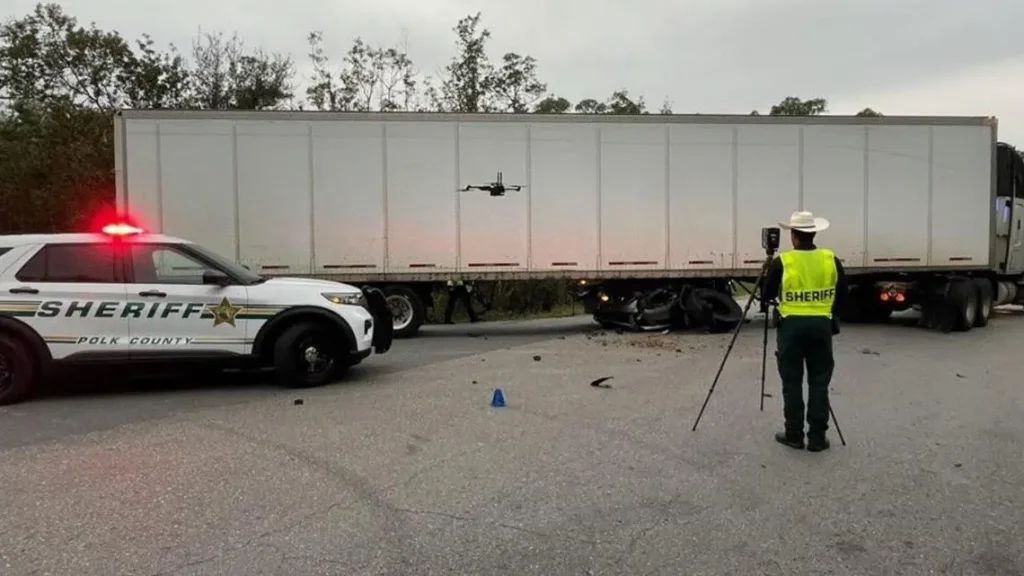
Law enforcement investigates a semi truck crash on Deen Still Road near Wheeler Road in Davenport, Florida.
Blog, News, Truck Accidents

Davenport Semi-Truck Crash on Deen Still Road: What Families Should Know and What to Do Next

The days after a deadly crash rarely feel “dramatic” in the way people expect. They feel quiet and unreal. Phones keep buzzing, but the mind feels stuck in one moment. Families also get hit with decisions they did not ask for. A call from an insurance company. A request for paperwork. Someone asks, “Can you explain what happened?” before the family even has the full story. This guide is meant to slow things down and add structure. It explains what is known so far about the Davenport crash, what steps families can take next, and when it is helpful to speak with a Davenport semi-truck accident lawyer. News summary: What happened in Davenport on Deen Still Road? Local reporting, based on information from the Polk County Sheriff’s Office, said the crash happened around 5:45 a.m. at Deen Still Road and Wheeler Road in Davenport. Deputies said a Freightliner semi-truck pulled out from a sand mine entrance at Wheeler Road and was stretched across Deen Still Road while attempting to turn. A 2018 Nissan Sentra traveling eastbound struck the side of the trailer and went underneath it. The driver of the Sentra, a 61-year-old man from Zephyrhills, died at the scene. The roadway was closed for about four hours while investigators worked. Important note: Early details can change as investigators confirm measurements, witness statements, and physical evidence. Families should treat initial news reports as preliminary until the investigation is complete. Map: Deen Still Road & Wheeler Road, Davenport, FL (Polk County) Why crashes with semi-trucks can be so dangerous on local roads A semi-truck crash is not the same as a crash between two passenger cars. Even if the speed looks “normal,” the size and shape of a tractor-trailer can create risks that smaller vehicles are not built to handle. Here are a few reasons these crashes can turn deadly: Weight and force: A commercial truck can weigh far more than a car. That extra mass changes what happens on impact. Longer time to clear a road: A tractor-trailer needs more space and more time to turn or cross lanes. Blind spots and visibility: Truck drivers often have large blind zones, especially along the sides and behind the trailer. Underride danger: When a car goes underneath a trailer, the top of the car can be crushed. This is sometimes called an underride crash. In this Davenport case, investigators reported the car went underneath the trailer, which helps explain why the outcome was so severe. Florida truck crash context: Why this is not “rare” statewide Families often ask, “How does something like this even happen?” Florida experiences a high number of serious crashes each year, including those involving commercial vehicles. In FLHSMV’s “By the Numbers 2024” snapshot (noted as preliminary), Florida reported: 46,651 commercial motor vehicle crashes 315 fatalities in commercial motor vehicle crashes That does not make any single loss feel smaller. But it does show why careful investigation matters in truck cases. A crash involving a commercial vehicle is a public safety issue and warrants a thorough review. What families should do in the first 24 to 72 hours After a fatal or serious semi-truck crash, families are usually trying to grieve and manage practical tasks at the same time. These steps can help protect the family without adding extra stress. 1) Focus on immediate needs first If anyone survived the crash, medical care comes first. Even if a person feels “mostly okay,” symptoms can show up later, especially with head, neck, and back injuries. 2) Do not rush into recorded statements Insurance adjusters may request a recorded statement immediately. Families do not have to give one immediately, especially when facts are still unclear and emotions are raw. A safer approach is simple: “We are not ready to give a statement right now.” “Please send questions in writing.” “We will respond after we review the report.” 3) Start a single folder for paperwork Families can reduce stress by keeping everything in one place. Helpful items include: The crash location and time (as best as known) The responding agency name Any claim numbers, letters, or emails Names and phone numbers of anyone who called about the crash Funeral or hospital paperwork (if applicable) 4) Be careful with social media details It is normal to want to update friends. But posts about fault, speed, injuries, or “what happened” can be misunderstood later. Keeping public posts brief and private is often the safest approach. How to get the official Florida crash report Families often feel stuck waiting for answers. The crash report can be a key first step, but it is not always available right away. FLHSMV says traffic crash reports may take up to 10 days to become available. The Crash Portal also notes that search results may not include crashes from the last 10 days because law enforcement has 10 days to submit crash reports. Another detail many families do not know: crash reports are confidential for 60 days, with access limited to designated, eligible parties during that period. A Davenport semi-truck accident lawyer can help families request the appropriate records, confirm eligibility, and request supporting documents that may not appear in a basic report. Why the crash report is only the beginning of a truck case A crash report can be helpful, but it is not the whole story. In a semi-truck case, the most important answers often come from evidence beyond the initial narrative. That may include: Photos and measurements from the scene Witness statements Vehicle damage patterns Any available video from nearby businesses Commercial vehicle inspection and maintenance records Electronic records tied to the truck’s operation and driver activity When a crash involves a trailer stretched across a roadway, questions often come up about timing, visibility, lighting, and whether the truck’s movement was safe for that road at that moment. Who may be responsible after a Davenport semi-truck crash Many people assume the case is only about the truck driver. Sometimes it is. But commercial crashes often

Overturned semi-truck with emergency lights at night, used as a stock image for a Cape Coral semi truck accident lawyer blog
Blog, News, Truck Accidents

Pepsi Semi-Truck Rollover in Cape Coral: What Injured Drivers Should Do Next

Pepsi semi-truck rollovers are the kind of crashes that make people pull over and stare, even at 1 a.m. One minute, the road feels normal. The next minute, a massive truck is on its side, lanes are blocked, and everyone nearby is wondering who got hurt. For injured drivers in Cape Coral, the confusion often starts right away. The body may feel shaky. The mind may feel foggy. People may say, “You look fine,” even while pain is building under the surface. That is why the next steps matter. A serious truck crash is not just about fixing a car. It is about protecting health, protecting evidence, and not letting an insurance company rush the story. This guide explains what injured drivers should do next and when it makes sense to speak with a Cape Coral semi truck accident lawyer. News summary: What happened in the Cape Coral Pepsi semi-truck rollover? Local reporting says a Pepsi semi-truck overturned around 1 a.m. near Gleason Parkway and Skyline Boulevard in Cape Coral, causing lane closures while first responders worked to rescue the driver. According to coverage, a bystander stayed with the driver and helped keep him calm until help arrived. The driver was reportedly trapped for a period of time and later treated for injuries described as non-life-threatening. Investigators typically consider factors such as speed, road conditions, turning angle, load stability, and mechanical issues after a rollover. At the time of the reports, the cause was still under review. Why a semi-truck rollover can cause serious injuries A rollover can injure the body in many ways, even if the person does not see blood or feel pain right away. A semi-truck rollover creates violent force. The human body can get thrown forward, sideways, and back again within seconds. That can strain the neck, twist the spine, and bruise muscles and joints. Rollovers also increase the risk of secondary crashes. A truck can slide across lanes, block traffic, or spill debris. Other drivers may not have time to stop, especially at night. This is one reason injuries in truck accidents can be more severe than those in smaller-car accidents. Some symptoms of injuries after a semi-truck accident are delayed. A person may feel “okay” at the scene, then feel worse the next morning. Headaches, dizziness, nausea, tingling, and stiffness may occur later. That delay is common after a high-stress event. What should injured drivers do immediately after a truck crash in Cape Coral? Seek medical care, document the crash, and avoid allowing the trucking insurer to control the situation. 1) Call 911 and get help on the scene Police and paramedics create an official record. A crash report can help confirm time, location, and early observations. This matters later if facts are disputed. If a crash is blocking traffic, 911 can also help prevent another collision. Secondary crashes happen when drivers come over a hill or around a curve and do not see the hazard soon enough. 2) Get checked by a doctor as soon as possible Even if the person feels “mostly fine,” a medical evaluation after a semi-truck crash is important. It protects health first. It also creates documentation that connects injuries to the crash. In Cape Coral and Lee County, drivers often go to nearby emergency rooms or urgent care clinics. The specific facility matters less than getting care quickly and following the treatment plan. Some semi-truck crash injuries that can be missed at first include: Concussions and mild traumatic brain injuries Whiplash and soft tissue injuries Back injuries like herniated discs Internal bruising Knee, shoulder, and wrist injuries from bracing during impact 3) Take photos and short videos, if it is safe Photos do not have to be perfect. They just need to show what happened. Useful photos include: Vehicle damage from multiple angles The truck’s company name and trailer markings DOT numbers on the cab Skid marks, debris, and fluid trails Lane layout, traffic lights, and signs Lighting and weather conditions If injuries prevent moving around, a passenger can help. If no one can take photos safely, it is still okay. The priority is safety. 4) Get witness information A witness can disappear fast. A name and phone number can make a big difference later. If possible, the injured driver can ask: “What did you see happen?” “Where were you when it started?” “Would you be willing to share your number?” Even one witness can help clarify confusion about lane changes, turning speeds, or sudden braking. 5) Do not give a recorded statement to the trucking insurer Trucking insurers often move quickly. They may sound polite on the phone, but their goal is to protect their company. A recorded statement can be used to: downplay injuries twist a timeline Suggest the injured driver “admitted fault.” highlight small inconsistencies It is safer for the injured driver to speak with a commercial vehicle and truck accident lawyer first, especially in a serious truck crash. Why truck accident cases are different than car accident cases Truck crashes often involve more parties, more insurance, and more evidence that is controlled by companies. A normal car crash is usually driver versus driver. A truck crash can involve multiple layers of responsibility. Potential parties can include: the truck driver the trucking company (motor carrier) a maintenance company a shipper or loader who secured the cargo a broker or logistics company, depending on the situation This matters because each party may have an insurance policy and a legal team. They may also have access to critical evidence that the injured driver lacks. That is why many people search for a Cape Coral semi truck accident lawyer after a rollover. They want someone who knows which evidence to request and how to protect it. Video: Does a Commercial Vehicle Crash Mean a Bigger Case? This short clip explains a common myth: commercial-vehicle cases can involve higher insurance coverage, but the value still depends on the injuries and the evidence. Watch: why commercial vehicle claims may

Aerial view of heavy traffic and a semi-truck on I-75 in Hillsborough County, illustrating a six-vehicle crash scene.
Commercial Vehicles, News, Truck Accidents

6-Vehicle Crash on I-75 in Hillsborough County: What Injured Drivers Should Do Next

A crash like a 6-vehicle crash on I-75 in Hillsborough County does not just create traffic. It can leave injured drivers sitting in their car, hands shaking, trying to process what just happened. In the minutes after a pileup, most people feel overwhelmed and unsure. They may wonder if they are overreacting, if they should just “tough it out,” or if they are about to say the wrong thing to the wrong insurance company. This guide is built to restore control. It explains what injured drivers should do next and adds an important layer for I-75: truck and commercial-vehicle factors that can affect how fault is proven and how evidence should be preserved. News summary: what has been reported so far Local reporting stated that a crash on I-75 in Hillsborough County involved six vehicles and left seven people injured. Early details can shift as investigators collect statements, review evidence, and confirm the chain of events. For injured drivers, the safest approach is to seek medical care and documentation promptly, even while the investigation is ongoing. Incident area: Southbound I-75 near SR 60 in Hillsborough County, Florida. Hillsborough County crash data: why this matters locally Multi-vehicle crashes are not rare in this area. Based on the FLHSMV Florida Crash Dashboard view for Hillsborough County (2025), the county recorded: 24,864 total crashes 15,708 injuries from all crashes 169 fatalities from all crashes 10,575 injury crashes 158 fatal crashes The dashboard also shows serious risk patterns that matter for anyone hurt on I-75: 6,039 hit-and-run crashes, with 1,402 hit-and-run injuries and 9 hit-and-run fatalities 683 pedestrian crashes, with 51 pedestrian fatalities 511 motorcycle crashes, with 28 motorcycle fatalities 746 bicycle crashes, with 19 bicycle fatalities It also shows which agencies investigated crashes in Hillsborough County: Police Department: 40.91% (10,172) Sheriff Department: 33.40% (8,305) Florida Highway Patrol: 25.65% (6,377) Other: 0.04% (10) These numbers help put an I-75 pileup in context. There are many crashes in Hillsborough County, and many involve injuries. Staying organized after a crash is not optional. It is how injured drivers protect their health and protect their claim. Why a multi-vehicle crash on I-75 gets complicated fast A two-car crash can be straightforward. A six-vehicle crash often is not, especially on a busy highway like I-75. Here is why: More drivers mean more versions of the story Each person saw the crash from a different lane and at a different moment. Some will only remember the impact. More insurance companies mean more finger-pointing Each vehicle may have a different insurer. Those insurers often argue about who should pay first. Chain reactions create multiple impacts A driver may be hit once, then pushed into another vehicle. Injuries can come from the second or third impact, not the first. Evidence can disappear quickly Cars get towed, debris gets cleared, and road conditions change. If an injured driver does not document early, key details can be lost. What should injured drivers do first at the scene? Safety comes first. If an injured driver can act safely, these steps help protect both health and documentation. Call 911 and ask for help Even if someone else already called, it is smart to confirm help is on the way. Share the direction of travel and the nearest exit Mention how many vehicles are involved Ask for medical support if anyone is hurt, dizzy, confused, or in pain Move to safety if possible If the vehicle can be moved and is safe, exiting active lanes can prevent a second crash. If it cannot be moved, staying buckled until help arrives may be safer. Accept medical evaluation if offered Many people say no because they want to go home. But adrenaline can hide symptoms, especially with head, neck, and back injuries. Keep statements simple and factual At the scene, stress is high, and people blurt things out. Do not guess about speed, distance, or fault Do not apologize in a way that sounds like an admission Share basic facts with law enforcement Save deeper explanations for later, when the injured driver has time to think clearly How to document the crash like a professional In a six-vehicle crash, photos and details often become the deciding factor later. Photos to take if it is safe Wide shots showing all vehicles, lanes, and traffic flow Close-ups of damage on every involved vehicle License plates Road signs, mile markers, and exit signs Skid marks, debris, and fluid trails Weather and visibility Any company name, DOT number, or fleet markings if a commercial vehicle is present Information to collect Names and phone numbers of involved drivers Insurance details Witness names and contact info The responding agency name, if visible A useful extra step An injured driver can record a short voice memo within an hour: Where it happened What they remember in simple steps What pain or symptoms did they notice Whether the traffic stopped suddenly, and whether they were pushed or hit multiple times Memories fade quickly. A short note can help keep the timeline straight. Medical steps that protect health and strengthen documentation After a 6-vehicle crash on I-75 in Hillsborough County, it is common for people to feel “okay” and then feel worse later. That does not mean they are exaggerating. It means the body is finally catching up. Common injuries after a highway pileup Whiplash and neck strain Concussion symptoms like headache, dizziness, or fogginess Back pain, including disc irritation Shoulder injuries from bracing or seatbelt pressure Knee injuries from impact with the dashboard Chest soreness from the seatbelt Cuts and bruises from airbags or broken glass Why early care matters in Florida Florida has time-sensitive insurance rules that can affect access to benefits. Even when someone hopes symptoms will fade, early evaluation is often the safest course of action. Practical steps injured drivers can take: Get checked as soon as possible, especially for head, neck, or back symptoms Follow treatment plans and attend follow-up visits Keep discharge paperwork, prescriptions, and therapy notes Write down symptoms

Nighttime tractor-trailer on the roadside shoulder, illustrating an I-75 semi crash near Lake Panasoffkee.
Blog, News, Truck Accidents

Lake Panasoffkee I-75 Semi Crash: What to Do After a Shoulder Collision With a Commercial Vehicle

After a highway crash, most people do not feel “fine” even if they can walk away. They feel shaken, sore, and overwhelmed. Their mind keeps looping the same questions: Did I do something wrong? Should I have seen it sooner? What happens next? A shoulder collision can feel especially confusing. The shoulder is supposed to be a safer space. So when a commercial vehicle is stopped there, people often wonder if the crash was “just bad luck” or if something could have been prevented. This guide is here to bring structure and calm. If someone is involved in an I-75 semi truck crash in Lake Panasoffkee, the steps below can help protect health, preserve evidence, and safeguard legal rights in Florida. What happened in the Lake Panasoffkee I-75 crash Reports state that a 19-year-old man from Tampa died after his vehicle struck a semi-truck tractor that was stopped on the emergency shoulder of southbound I-75 in Sumter County. The crash was reported around 5:18 a.m., near milepost 321, and the semi-tractor was reportedly stopped due to mechanical issues, according to troopers. In the early days of a serious crash, it is normal for families to want answers fast. Still, it is important to separate what is confirmed from what is assumed. In commercial vehicle cases, the full story often takes time because the investigation may involve vehicle condition, safety equipment, visibility, and company procedures. Map reference: I-75 Exit 321 (SR 470) in the Lake Panasoffkee area (Sumter County). Why shoulder collisions with semi-trucks are so dangerous A shoulder can look like a “buffer zone,” but on a busy interstate, it can be one of the most dangerous places to be. Here is why shoulder crashes involving commercial vehicles often lead to severe outcomes: High speeds nearby: Traffic is still moving at highway speeds, even a few feet away. Low reaction time: A driver who drifts toward the shoulder may have seconds to correct. Low visibility at night or early morning: Headlights, glare, fog, rain, and curves can hide a stopped vehicle. Mass and height differences: A semi-tractor is heavier and taller than most passenger cars, which increases crash forces. Shoulder crashes also raise important questions that do not come up in a normal fender bender, such as whether proper warning devices were used and whether the truck could have been moved farther off the roadway. What to do right away after an I-75 semi truck crash in Lake Panasoffkee In the first minutes and hours, the goal is simple: protect people first, then protect information. 1) Call 911 and get to safety If it is safe to do so: Move out of traffic lanes and away from the shoulder edge. Turn on hazard lights. Tell 911 there is a commercial vehicle involved and describe any injuries. If anyone feels dizzy, confused, or has neck or back pain, it is safer to stay still and wait for help. 2) Get checked by a medical professional Many injuries show up later, especially head, neck, and back injuries. People often feel “okay” at the scene and then wake up the next day with severe symptoms. Medical care also creates a record linking the injury to the crash, which is important in any insurance or legal claim. 3) Take photos and video if it is safe If someone can do it safely, they should document: Vehicle positions and damage Skid marks, debris, and the shoulder area Lighting and visibility conditions Any commercial markings (company name, USDOT number, trailer number) Whether warning devices are present (reflective triangles, hazard lights) Even 10 clear photos can make a major difference later. 4) Get witness information Witnesses can provide details that drivers cannot always see, such as: Whether the semi was visible from a distance Whether warning devices were set out Whether another vehicle forced someone onto the shoulder Whether the passenger vehicle drifted or swerved Names and phone numbers matter. A short note on a phone is enough. 5) Be careful with recorded statements Insurance companies sometimes request a recorded statement promptly. After a traumatic event, people may inadvertently misstate or phrase something poorly. A safer response is: “Medical care is the priority. A statement will be provided later.” Florida’s PIP rule and why the first 14 days matter Florida is a no-fault state for many crashes, which means Personal Injury Protection (PIP) may help cover medical costs and lost wages, regardless of fault. One key rule is the 14-day requirement. In many cases, a person must receive medical services within 14 days to be eligible for PIP benefits. This does not mean someone should panic. It means they should not “wait it out” if symptoms are present. Even a simple evaluation can help protect both health and benefits. What makes commercial vehicle cases different from normal car crashes A crash involving a semi-tractor is rarely “just two drivers.” It often involves a company, insurance teams, and layers of documentation. Commercial vehicle cases may involve: Maintenance and inspection records Driver logs and scheduling records Training and safety policy materials Onboard technology and event data Dispatch communications This matters because the cause of the semi-truck crash in Florida may relate to more than what happened in the final seconds on the road. Evidence that matters in a semi-truck shoulder collision In a shoulder collision, the most important evidence often disappears quickly. Here is what should be preserved when possible: Scene evidence Photos and video Road conditions, lighting, and shoulder width Placement of vehicles after impact Debris fields and skid marks Truck safety evidence Hazard lights use Reflective triangle placement Other warning steps used at the scene Whether the vehicle was fully on the shoulder or partially in a travel lane Mechanical issue evidence Since reports indicate mechanical issues were involved, the truck’s condition becomes a key part of the investigation. This can include: Prior repair history Inspection reports Whether the issue could have been detected earlier Whether proper procedures were followed when the vehicle stopped Digital evidence Dash

Semi-truck rolled onto its side on a Jacksonville highway, illustrating an I-295 truck accident near I-10.
Blog, News, Truck Accidents

Overturned Semi Shuts Down I-295 Near I-10 in Jacksonville: What Injured Drivers Should Do Next

A crash with an overturned semi can feel like a scene from a movie, except it is real, it is loud, and people’s lives are suddenly at risk. One minute, the road is moving, and the next minute, all northbound lanes are blocked, cars are stopped bumper to bumper, and drivers are trying to figure out if they are safe, hurt, or about to be hit from behind. That is what makes an I-295 semi truck accident so dangerous. A semi-truck is heavy, tall, and hard to stop quickly. When it overturns, it can slide, spill cargo, or leave debris across multiple lanes. Even drivers who do everything right can get caught in a chain reaction. On January 29, 2026, reports in Jacksonville described an overturned semi that shut down all northbound lanes on I-295 near I-10, with injuries reported and hours of traffic disruption before lanes reopened later that day. For anyone hurt or shaken up by a wreck like this, the next steps matter because early choices can protect health, protect evidence, and protect a future claim. What happened in the Jacksonville I-295 semi truck accident near I-10 News reports described a crash involving an overturned semi-truck on I-295 near I-10 in Jacksonville that shut down all northbound lanes for several hours. Injuries were reported, and the driver of the semi was taken to the hospital with injuries described as non-life-threatening. Troopers also reported that metal beams were discarded onto the roadway, which is an important detail because roadway debris and cargo issues can become key evidence in a truck case. This kind of traffic shutdown usually means the crash was not minor. When a semi-truck overturns, emergency responders must manage injuries, secure the scene, address fuel or fluid hazards, coordinate towing, and clear debris. That creates a fast-moving situation where evidence can disappear quickly unless someone knows what to preserve. This incident was reported on I-295 near the I-10 interchange in Jacksonville, Duval County.  Map: I-295 at I-10 interchange, Jacksonville (Duval County), Florida. Why is an overturned semi more dangerous than a normal crash A typical fender bender is usually one lane, two cars, and damage that stays in a small area. A semi rollover is different because the truck’s weight and size can affect the entire roadway. Here is why injuries tend to be more serious in a rollover truck crash: More force at impact. A semi can weigh many times more than a passenger car, so the force transfer is larger even at lower speeds. More vehicles are involved. Sudden stops on I-295 can cause rear-end crashes following the initial collision. Debris and cargo hazards. When items spill or metal beams end up in lanes, drivers can hit them, swerve, or lose control. Longer emergency response and cleanup. Spending more time at the scene can increase the risk of secondary crashes as drivers approach a blocked interstate. For drivers and families, the main point is simple: a semi-rollover often creates hidden injury risks and complex legal issues. That is why the response should be calm, careful, and focused on protecting the basics. Step 1: Protect health first, even if the pain feels small After an I-295 semi truck accident, many people say they “feel okay” at the scene. Then symptoms show up later that day or in the next few days. This happens because adrenaline can hide pain, and swelling can take time. Common delayed symptoms people should not ignore A person should get checked if they notice: Headache, dizziness, nausea, or confusion Neck pain, back pain, stiffness, or sharp shooting pain Numbness, tingling, or weakness in arms or legs Shoulder, hip, or knee pain that gets worse after resting Trouble sleeping, nightmares, or panic when driving Brain fog, memory problems, or trouble focusing Why early medical care helps both health and the claim Medical care is not just about paperwork. It helps doctors spot injuries early and create a treatment plan. It also establishes a clear timeline linking injuries to the semi-truck crash. Insurance companies often look for gaps in treatment and then argue the injury was not serious or was caused by something else. If a person is taken to the hospital, they should keep copies of discharge paperwork, follow-up instructions, and prescriptions. If they were not taken to the hospital, they should still consider urgent care or a doctor visit, especially after a major truck rollover on a high-speed interstate. Step 2: If it is safe, document the scene before everything changes In a major interstate semi-truck crash, vehicles are often moved quickly, and debris is cleared. That is good for safety, but it can erase key details. What photos and videos should capture? If it is safe and the person is not seriously injured, documentation can include: The position of vehicles (if visible before towing) Damage to all sides of the vehicle, not just the obvious dent The roadway, including skid marks, gouges, and debris patterns Any spilled cargo or objects in the lanes Nearby signs that show location, such as “I-295,” “I-10,” mile markers, and exits Weather conditions and lighting, especially early morning visibility If troopers mention debris, such as metal beams, on the roadway, photos of the debris and where it landed can be important later, as they can help explain how secondary impacts occurred. Witness information matters more than people realize Witnesses leave fast after a highway crash. If someone saw the semi drift, tip, strike a barrier, or spill debris, their statement can help prove what really happened. A person should try to get: Name Phone number A short note about what they saw Step 3: Get the Florida crash report and keep the right records Many people do not know where to obtain the official report or what to save. After a truck crash, good record-keeping can reduce stress later. Where crash reports usually come from In Florida, crash reports are commonly requested through the Florida Crash Portal. People often need the report number, date,

Dump truck off the roadway with emergency responders at dusk, representing a crash near CR-48 and SR-471 in Sumter County, Florida.
Blog, News, Truck Accidents

Dump Truck Crash in Sumter County: What Injured Drivers Should Do After the Fiery CR-48 and SR-471 Wreck

A dump truck crash can turn a quiet Florida morning into chaos in seconds. One moment, someone is simply trying to get through an intersection. Next, there are flames, thick smoke, sirens, and traffic stopped for miles. When a crash involves a dump truck or a tractor-trailer, the damage is often bigger, the injuries are often worse, and the questions hit fast. In Sumter County, reports described a fiery commercial truck crash near the intersection of County Road 48 (CR-48) and State Road 471 (SR-471). Most people see a headline like that and keep scrolling. But for the people who were there, the people stuck in the backup, or the families waiting for a loved one to come home, it becomes real immediately. This guide explains what injured people should do next after a dump truck crash in Sumter County, in simple language. It focuses on steps that protect health and preserve evidence for future injury claims. What happened at CR-48 and SR-471 in Sumter County Reports described a crash involving large commercial vehicles at or near CR-48 and SR-471. Locals may recognize this as a rural junction where trucks often pass through early in the morning. In crashes like this, fire can start quickly because of fuel, hot engine parts, and the force of impact. Even when only two vehicles are involved, a truck crash can affect many people: A driver who is directly hit Passengers in another vehicle Drivers who slam into stopped traffic behind the crash People were forced off the road while trying to avoid the scene CR-48 and SR-471 are key intersections in Sumter County, and heavy truck traffic on rural roads can pose real danger when something goes wrong.  Map location: County Road 48 (CR-48) & State Road 471 (SR-471), Sumter County, Florida Why a dump truck crash is so dangerous A dump truck is not built like a normal car. It is heavier, taller, and slower to stop. When a dump truck or dump tractor-trailer hits another vehicle, the forces are much stronger than most people expect. That is why a dump truck accident can cause catastrophic injuries even at speeds that do not sound extreme. Heavyweight means harder impacts A dump truck carrying sand, gravel, or debris can weigh many tons. In Florida, people often hear questions about Florida truck weight limits because weight affects how a truck stops, turns, and how much damage it can cause in a crash. More weight often means: More crush damage More serious injuries More chance of fire or leaking fluids A larger “crash zone” that puts other drivers at risk This is also why injuries in a dump truck crash can differ from those in a regular car crash. The impact can send more force to the head, spine, and ribs, and it can push a smaller vehicle into other lanes or off the road. Dangers of Driving Beside a Semi-Truck: Blind Spots and Load Sway Semi-trucks can sway as cargo shifts, and drivers may not see smaller vehicles in their mirrors. This short video explains why staying out of a truck’s side blind spots matters. Key takeaway: Avoid lingering beside a semi-truck. Blind spots and shifting cargo can lead to a sideswipe impact. Wide turns can surprise other drivers Some trucks need extra space to turn, especially at rural intersections. A wide right turn can swing into another lane, and a smaller vehicle may not realize what is happening until it is too late. In accidents involving a dump truck, turning movements, lane positions, and visibility at the intersection are often key issues in the investigation. Fire risk can increase after impact After a collision, fire can start from fuel, batteries, or damaged engine components. Smoke can also make it hard for other drivers to see, leading to more crashes behind the first one. In a fiery crash, the danger does not always stop after the first impact. The scene itself can become unsafe within moments. What to do immediately after a dump truck crash in Sumter County After a crash, many people freeze. That is normal. But a few simple steps can protect both safety and a future claim. Step 1: Get to a safer place if possible If the vehicle is in danger from fire, smoke, or oncoming traffic, the person should move to a safer spot if they can do so without getting hurt. They should not stand near a burning vehicle or breathe smoke if it can be avoided. If the person is trapped or injured and cannot move safely, they should stay put, stay seat-belted if it helps with stability, and wait for emergency responders. The main goal is to avoid becoming a second victim. Step 2: Call 911 and describe the situation clearly The person should tell the dispatcher: The exact location (CR-48 and SR-471, Sumter County) That a commercial truck is involved Whether there is fire, smoke, or blocked lanes Whether anyone appears injured Clear details help first responders arrive faster with the right equipment. In a truck crash, fire and fuel hazards may require special response tools, and early clarity can save time. Step 3: Accept medical help, even if symptoms feel minor A person might feel “okay” at the scene and wake up the next day sore and dizzy. That happens often. Truck crashes can cause: Concussions that show up later Whiplash and neck injuries Back injuries that get worse after a few days Knee, shoulder, and wrist injuries from bracing Burns or breathing irritation if fire or smoke were present Medical records also help connect the injury to the crash. If the person waits too long, insurance companies may argue that the injury was not caused by the wreck. Step 4: Take photos if it is safe If the person can safely take photos, they should capture: Vehicle positions Damage close-up and from a distance Road signs and traffic signals Skid marks and debris Weather and lighting conditions Company names, DOT numbers, and

Wet I-10 roadway in Leon County with emergency lights ahead, representing a multi-vehicle crash near mile marker 199
Blog, News, Truck Accidents

Wet Roads Cause Multi-Vehicle Crash on I-10 in Leon County Near Mile Marker 199: What Injured Drivers Should Do Next

Rain changes everything on a Florida interstate. One minute, traffic is moving at normal speed; the next, drivers are tapping the brakes, windshield wipers are working overtime, and the road feels slick and unpredictable. That is why crashes in wet weather can feel so sudden and so unfair. A driver can be doing “everything right,” but still get pulled into a chain-reaction wreck when someone else loses control or cannot stop in time. The I-10 crash near mile marker 199 in Leon County is a good example of how fast a wet-road situation can turn into a multi-vehicle crash involving large trucks, debris, and blocked lanes, all within seconds. What happened in the I-10 crash near mile marker 199 in Leon County According to a news report citing the Florida Highway Patrol (FHP), the crash happened on the eastbound I-10 in Leon County near mile marker 199 on Saturday, December 6, 2025, around 3:35 p.m. FHP said the crash involved three vehicles, including a pickup truck and two semi-trucks. The pickup truck reportedly hydroplaned into the median, hit the guardrail, and then moved back into the inside lane. Troopers said the pickup then hit the rear of a boat being towed by a semi-truck, and the impact caused the boat to break free. A second semi-truck then collided with the boat, and the boat came to rest in the median with part of it blocking the inside lane. FHP reported the pickup driver and three passengers had minor injuries, and the semi driver towing the boat had no injuries. The eastbound lane was reported as blocked during the response. View the incident area on Google Maps (I-10 near Mile Marker 199, Leon County) Why wet roads create chain-reaction crashes on I-10 Wet pavement reduces traction. That means the tires do not grip the road as well as they do on dry asphalt. When traction drops, several dangerous things happen at once: Braking takes longer Turning feels less stable Stopping distance increases Vehicles can slide when drivers panic-brake Hydroplaning becomes more likely at higher speeds Hydroplaning is especially scary because the driver might still be steering, but the car is not responding. The tires are riding on water, not making contact with the pavement as they should. This is not a rare problem. The Federal Highway Administration (FHWA) reports that 75% of weather-related crashes happen on wet pavement, and 47% happen during rainfall. FHWA also estimates that crashes on wet pavement lead to nearly 5,700 deaths and more than 544,700 injuries each year, while crashes during rainfall lead to more than 3,400 deaths and about 357,300 injuries each year. On I-10 near Tallahassee and throughout North Florida, heavy rain can also cause water to pool in certain spots. Tire ruts, worn pavement, and drainage issues can create slick zones that do not look dangerous until a vehicle hits them at speed. What to Do After a Truck Crash on I-10 Near Mile Marker 199 in Leon County (Steps at the Scene) After a semi-truck crash in Florida, people are often in shock. Their body is flooded with adrenaline. They might feel “fine” at the scene, but that can change later. Still, the choices made at the scene matter, especially in multi-vehicle truck crashes. Call 911 and focus on safety first If the vehicle can move and it is safe to do so, getting out of traffic can prevent a second crash. On an interstate, the risk of a secondary impact is real, especially in rain and low visibility. Get photos and video, but only if it is safe Evidence disappears fast on a highway. Vehicles get moved, debris gets cleared, and the rain literally washes away clues. If a driver is able, photos or videos should include: Positions of vehicles across lanes The median, guardrail, and any visible damage Standing water or pooling water near the crash area Skid marks, debris, broken parts, or cargo Road signs, cones, and visibility conditions License plates and truck markings DOT numbers and company names on the semi-trucks In a crash involving a towed boat or trailer, photos of the towing setup can be extremely important. A trailer hitch, safety chains, straps, and connection points can later become key evidence. Get witness contact information Independent witnesses can make a major difference when drivers disagree about what happened. A short witness statement can help confirm: Whether a vehicle hydroplaned Whether someone was speeding due to conditions Whether a truck followed too closely Whether debris appeared suddenly in a lane Be careful with what is said at the scene Drivers should avoid making statements like “It was my fault” or “I did not see you.” In wet-road crashes, fault is often more complicated than it looks in the moment. Get medical care quickly, even if injuries seem minor Many injuries from semi-truck crashes do not show up right away. Neck and back injuries, concussions, and soft tissue injuries often show symptoms hours or days later. Medical care also matters for insurance reasons. Under Florida’s PIP law, medical benefits generally depend on the injured person receiving initial services and care within 14 days of the crash. That means a person who waits too long could face an insurance fight later, even if they end up needing real treatment. The safe move is simple: get checked out. Common delayed symptoms after a wet-road crash If any of these symptoms appear, it is smart to get medical help: Headache, dizziness, nausea, confusion Neck pain or stiffness Back pain that worsens overnight Numbness, tingling, or burning pain in arms or legs Shoulder, knee, or hip pain Anxiety, panic, trouble sleeping Even “minor” crashes can cause injuries that affect school, work, parenting, and daily life. Preserve evidence and do not rush repairs Insurance companies make decisions based on evidence. In a multi-vehicle crash, insurance adjusters often try to reduce payouts by arguing: The injured person caused the crash The injuries are not serious The damage does not match the story The

Fruitville Road sign at a Sarasota intersection with police lights nearby, representing a dump truck accident.
Blog, Commercial Vehicles, News, Truck Accidents

Fruitville Road Dump Truck Crash in Sarasota: What Injured Drivers Should Do Next

A dump truck crash can change a normal morning in seconds. One moment, traffic is calm, and everyone is waiting for the light to change. Next, there is a loud impact, cars lurch forward, and people are left shocked, sore, and trying to figure out what just happened. For many Sarasota drivers, Fruitville Road is familiar. It is part of the daily routine, with school drop-offs, work commutes, and errands. That familiarity is exactly why a serious crash there can feel unsettling. It happens in a place people trust. After a Fruitville Road dump truck crash in Sarasota, the next few days matter more than most people realise. Early medical care, documentation, and smart decisions can protect a person’s health and prevent insurance companies from controlling the story. News summary of the Fruitville Road dump truck crash in Sarasota The Florida Highway Patrol investigated a major crash on December 17, 2025, near the Fruitville Road and Tatum Road intersection in Sarasota County. Reports said a dump truck towing a trailer struck 13 vehicles stopped at a red light, triggering a 14-vehicle pileup. Troopers indicated the dump truck driver may have suffered a medical incident. Two people were taken to the hospital with injuries described as non-incapacitating, and the crash remained under investigation. This summary is important because it highlights two key facts that often shape truck crash claims: the size of the collision (many vehicles) and the mention of a possible medical event. Both can affect how liability and insurance play out. Why dump truck pileups can hurt people even when traffic is stopped A dump truck is not just a bigger vehicle. It carries far more weight than a normal car, and that weight creates a different kind of impact. Here is why that matters: More force at impact: The body can whip forward and back hard, even at lower speeds. Chain reactions: One hit can push a car into another, and the next, and the next. Multiple impacts: A person may be struck from behind, pushed forward, then hit again. A person may walk away thinking they are okay, then feel worse hours later. Headaches, neck pain, and back pain often show up after the adrenaline fades. What to Do at the Scene After a Fruitville Road Dump Truck Crash in Sarasota In a multi-vehicle crash, safety comes first. A busy intersection can be dangerous after a pileup, especially if other drivers cannot see the stopped vehicles. If a person is able to act safely, these steps can help: 1) Call 911 and report injuries Even if the pain feels minor, it is better to be checked. People can have injuries they do not notice right away. 2) Move to a safer place if possible If a vehicle is in an active lane and it is safe to move it, getting out of traffic can help prevent a second crash. 3) Take photos and a short video If it is safe, photos can capture details that disappear fast. Useful shots include: All sides of the vehicle that were damaged The dump truck and trailer, including markings and plates The traffic light, lanes, and intersection area Skid marks, debris, and road conditions Any visible injuries (bruises, cuts, swelling) 4) Get witness information It is fine to share basic facts with law enforcement after a Fruitville Road dump truck crash in Sarasota. Avoid guessing speeds, admitting fault, or arguing blame at the scene. 5) Keep statements simple It is fine to share basic facts with law enforcement. It is not the time to guess speeds or argue fault. What to do in the first 24 to 72 hours These first few days are where many claims are won or lost. Not because someone is trying to “win” a game, but because evidence fades and insurance pressure increases. Get medical care and follow through A person should not wait around hoping the pain goes away. Common injuries after a truck pileup include: Whiplash and neck strain Back injuries, including disc problems Concussions and mild head injuries Shoulder and knee injuries from bracing Numbness or tingling in arms or legs Anxiety, sleep issues, fear of driving If symptoms change, follow up with a doctor. Consistent medical notes help doctors treat the injury and help document what the crash caused. Start a simple crash folder This does not need to be fancy. A person can save: Photos and videos Tow receipt and tow yard information Repair estimates Medical visit summaries and prescriptions Notes about missed workdays and limitations Write a short daily symptom note A daily note can be simple: Pain level morning and night Sleep quality Headaches, dizziness, nausea What activities are harder (driving, sitting, lifting) Short notes often become powerful proof later because they show the injury in real life, not just on one doctor visit. Why Florida insurance rules make early medical care even more important Florida is a no-fault state, which means many drivers first turn to their own Personal Injury Protection (PIP) coverage. PIP can help pay for some medical care and lost wages, but it has rules and limits. One rule that surprises people is the 14-day treatment rule. In many cases, a person must get initial medical care within 14 days to access PIP medical benefits. The safest approach is simple: if someone feels pain, dizziness, headaches, or any new symptoms after the crash, they should get checked right away. Why truck crash claims are more complicated than normal car crashes A crash involving a dump truck and trailer can involve more than just two drivers. Depending on the situation, there may be: The dump truck driver The company that employs the driver The company that owns the truck The company that owns the trailer A maintenance provider A contractor responsible for hauling or loading More parties often mean more insurance policies. It also means more finger-pointing. Each insurer may try to shift blame to reduce what they pay. This is where truck and commercial

Traffic backed up after a tractor trailTraffic backed up after a tractor-trailer crash on I-95 at Commercial Boulevard in Broward County, Florida.er crash on I-95 at Commercial Boulevard in Broward County, Florida.
Blog, Commercial Vehicles, News, Truck Accidents

Tractor-Trailer Crash on I-95 at Commercial Boulevard in Broward: What Injured Drivers Should Do Next

A crash on I-95 can feel unreal. One second, a driver is moving with traffic, and the next second, everything stops. Cars slam their brakes, people honk, and the road turns into a wall of flashing lights. After a tractor-trailer crash on I-95 at Commercial Boulevard, most people are not thinking about legal rules. They are thinking about pain, their passengers, their car, and how they are going to get home. It is normal to feel overwhelmed. This guide focuses on what matters most. First, health and safety. Then, simple steps that help protect a future claim, especially when a commercial truck and multiple vehicles are involved. After a crash like this, speaking with a commercial vehicle and truck accident lawyer can help preserve evidence and address insurance pressure. Details of the FedEx and Multi-Vehicle Crash on I-95 at Commercial Boulevard Commercial Boulevard (SR-870) is a major road in Broward County, and the ramps near Exit 32 are busy, especially in the morning. Drivers often change lanes to make the exit, and traffic can slow down fast. In this reported crash, Florida Highway Patrol said it happened around 9 a.m. on northbound I-95 at the Commercial Boulevard exit. Troopers said it involved a FedEx truck, a semi-truck, and five other vehicles. Four people were taken to the hospital, and the off-ramp remained closed for hours before reopening. The reported chain of events began with a lane-change attempt near the exit, resulting in multiple impacts and a semi-truck losing an axle. Two other vehicles then struck the FedEx truck while trying to avoid the semi-truck. For someone injured in this kind of crash, the big lesson is simple. On a highway, one sudden move can affect many vehicles, and even careful drivers can get caught with nowhere to go. Why tractor-trailer crashes can hurt people more A tractor-trailer is not just a bigger car. It is heavier, longer, and harder to stop. When something goes wrong, the damage can spread fast. Here is why injuries can be catastrophic in truck crashes: Bigger force: A heavy truck carries more momentum. That means the impact can hit harder. More vehicles involved: When traffic stops on I-95, cars behind may not have time or space to brake. Multiple impacts: A person can be hit once, then pushed and hit again. Hidden injuries: Adrenaline can make someone feel okay at first. Pain can show up later. Common injuries include neck and back pain, whiplash, herniated discs, concussions, broken bones, shoulder injuries, knee injuries, and wrist injuries from bracing. Some people also deal with anxiety, nightmares, or fear of driving after a serious highway wreck. What to do right away after the crash If someone was involved in the tractor-trailer crash on I-95 at Commercial Boulevard, these steps help protect health and a claim. 1) Get to safety, if it is possible If the car can move and it is safe, pulling to the shoulder can lower the risk of another crash. If it cannot move, hazard lights should be on, and everyone should stay alert. Highways are dangerous after a collision because other drivers may not see stopped traffic in time. 2) Call 911 and ask for help Police and medical response matter in a major crash. If anyone feels pain, dizziness, confusion, or numbness, they should say so. Those symptoms can be signs of a serious injury. 3) Take photos and videos, but only when it is safe Evidence disappears fast once vehicles are moved and lanes reopen. Photos should include: All vehicles from wide angles and close-ups Damage on each side of the vehicles License plates Company names, logos, and markings on the truck DOT numbers on the truck (often on the cab door) Skid marks, debris, and the position of vehicles Road signs showing I-95 and the Commercial Boulevard exit These details can matter later when insurers argue about how the crash happened. 4) Get witness info Witnesses often leave once traffic resumes. If possible, someone should collect: Name and phone number A quick sentence about what the witness saw Whether the witness has dashcam footage 5) Avoid talking about fault at the scene People are often in shock. It is easy to say something that gets misunderstood. The safer approach is to stick to facts, get help, and let the investigation handle fault. Medical care matters, even if pain shows up later Many injuries do not feel serious at first. A person might go home and then wake up the next day with headaches, neck pain, back stiffness, or tingling in the arms. A smart plan looks like this: Get checked the same day if symptoms are strong Follow up with a doctor soon after, even if symptoms feel mild Explain every symptom clearly, including dizziness, nausea, numbness, and sleep issues Follow the treatment plan and attend appointments This is important for healing. It also creates a clear record that connects the injury to the crash. Insurance companies often use delays and gaps in care as reasons to deny or reduce claims. What to say to insurance companies, and what to avoid After a crash, calls often come quickly. Adjusters may sound friendly, but they are trained to limit what the company pays. Usually safe to share Name and contact information Where the crash happened That medical care is being handled Best to avoid Recorded statements to the other insurer Guessing speed, distance, or timing Saying “I’m fine” before a full medical check Signing broad medical releases without understanding them Accepting a quick settlement before the injury picture is clear A person does not need to argue with an adjuster. They can politely say they are getting medical care and will respond later. Why truck crash cases are different from regular car crashes A truck crash case often has more moving parts. There may be more insurance coverage, and there may also be more pressure from the trucking side. Evidence that can matter in a truck case Truck cases may

Passenger train approaching a rail crossing with red signal lights, representing a serious train crash and injury claims.
Blog, mass transit, News

Spain High-Speed Train Crash: What Florida Train Accident Victims Should Do Next

A High-Speed Train Crash is the kind of disaster that feels impossible until it is suddenly real. One moment, people are sitting in a seat, checking a phone, or watching the scenery. The next moment, there is violent shaking, loud noise, and fear, with no time to brace. That is why the deadly train collision in Spain is more than an overseas headline. It is a reminder that when travel goes wrong at high speed, injuries can be life-changing, and the aftermath can become complicated fast. Families are left asking the same questions everywhere: What happened? Who is responsible? What should we do next? For Florida families, this matters because train travel and rail crossings are part of life here, too. Even though the Spain crash happened far away, the steps that protect people after a High-Speed Train Crash are very similar in Florida. The Reyes Firm breaks those steps down in plain English so injured victims can protect their health and their legal rights. News Summary: What Happened in the Spain High-Speed Train Crash? On January 18, 2026, reports described a deadly high-speed rail collision near Adamuz, in Córdoba province, southern Spain. A high-speed train reportedly derailed and moved onto an opposite track, where it collided with an oncoming train. Authorities reported at least 21 deaths and dozens injured, with many people transported to hospitals. Rail service between Madrid and Andalusia was suspended as rescue work and an investigation continued. Multiple reports said the trains involved included an Iryo train traveling from Málaga to Madrid and a Renfe train traveling from Madrid toward Huelva. Officials described the derailment as unusual because it happened on a flat, straight section of track that had been recently renovated, and the cause was still under investigation. This is the kind of event that shows why train crashes become major investigations. There are often questions about speed, track conditions, signals, maintenance work, equipment systems, and safety procedures, all at once. Why a High-Speed Train Crash Matters to Florida Drivers and Families Florida residents still face serious rail risks, including: Passenger train incidents involving sudden stops, platform falls, or collisions Vehicle-versus-train crashes at crossings Pedestrian and bicycle rail injuries near tracks Construction and maintenance hazards along rail corridors Florida also has active passenger rail systems and corridors where train traffic is common, including Brightline service in Florida and SunRail commuter rail in Central Florida. The key point is simple: when a High-Speed Train Crash happens, the injuries can be severe, and the legal side can be complicated because more than one party may share responsibility. What Florida Train Accident Victims Should Do Immediately After a train wreck, many people feel shocked, confused, or numb. That reaction is normal. But the first 24 to 72 hours matter, both medically and legally. 1) Get medical care the same day if possible Injuries from train crashes are not always obvious right away. Some people feel “fine” because adrenaline is high. Then symptoms hit later, like: Headaches, dizziness, nausea (possible concussion) Neck and back pain (possible whiplash, disc injury, or strain) Chest pain or bruising (seat or impact trauma) Numbness, tingling, weakness (possible nerve injury) Anxiety, panic, sleep problems (trauma symptoms) Seeing a doctor early helps protect health. It also creates medical records that show the injury timeline. 2) Call 911 and accept help from emergency responders If first responders recommend evaluation or transport, it is usually for a reason. It also helps create an official record of what happened and how the person presented at the scene. 3) Document what can be documented safely If the person is physically able and it is safe, they should try to capture: Photos of the scene (train cars, debris, track area, signage) Photos of injuries over time (bruising often appears later) Names and contact info for witnesses Ticket confirmations, receipts, or booking records Any report number provided by police, rail staff, or emergency services If a family member is present, that person can help gather information so the injured person can focus on safety. 4) Keep conversations simple until there is legal guidance After major crashes, insurance and investigators may start asking questions quickly. Injured people should be careful about: Guessing what happened Saying “I am fine” when they are not sure Agreeing to recorded statements while still in shock A safer approach is to share basic information and save detailed statements until the person understands their rights. 5) Track expenses and daily symptoms Train crash injuries often affect daily life. A simple notebook or phone note can help: Pain levels and limitations Missed work days Medical visits and medications Sleep problems and anxiety symptoms Transportation costs and other receipts This is not about being dramatic. It is about being accurate. Florida Law Basics That Can Affect a Train Injury Claim A train crash claim can involve state law, federal rules, and multiple insurance layers. The Reyes Firm focuses on the Florida pieces that victims should understand. Florida’s negligence deadline is shorter than many people expect In Florida, an action founded on negligence generally must be filed within two years. Waiting too long can block a claim, even when the facts seem clear. Florida fault rules can reduce or even bar recovery Florida uses a modified comparative fault approach in many negligence cases. If an injured person is found to be more than 50% at fault, they may not recover damages in Florida in a negligence action to which the statute applies. This is one reason train and crossing cases can become battles over blame. Evidence matters. A motor-vehicle-related train crash may trigger Florida PIP rules Not every train incident involves a motor vehicle, but many Florida rail cases involve cars or trucks at crossings. Florida’s PIP statute includes a rule that medical benefits apply only if the injured person receives initial services and care within 14 days after the motor vehicle accident. This is a common trap. People wait because they are sore but “not injured.” Then coverage disputes

Scroll to Top