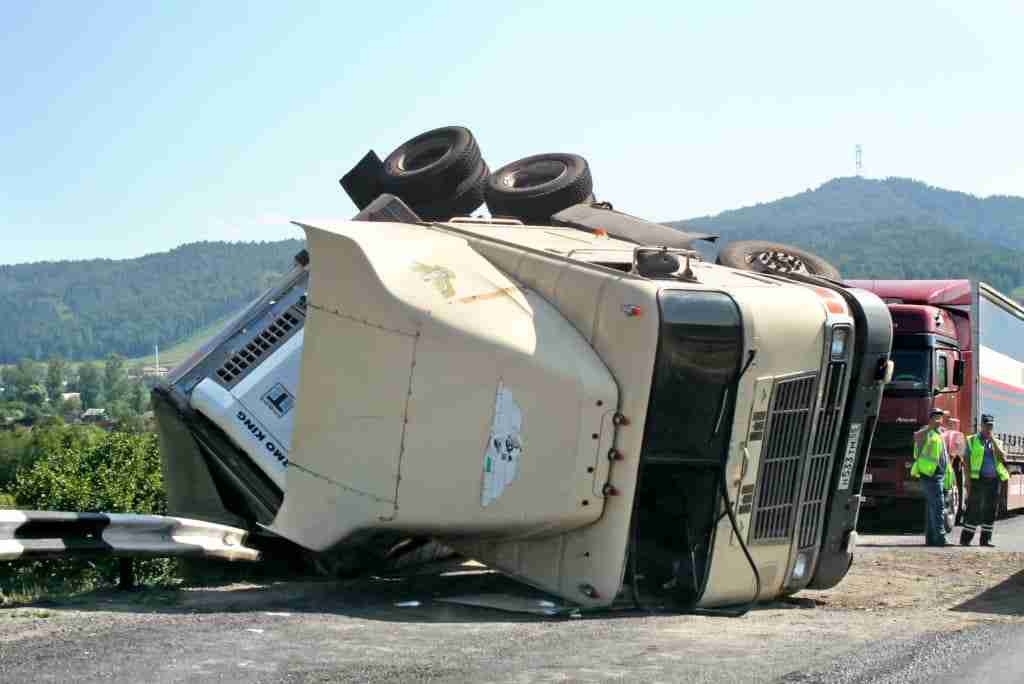
Tampa Truck Driver Killed in Florida Turnpike Crash: What Families Should Know
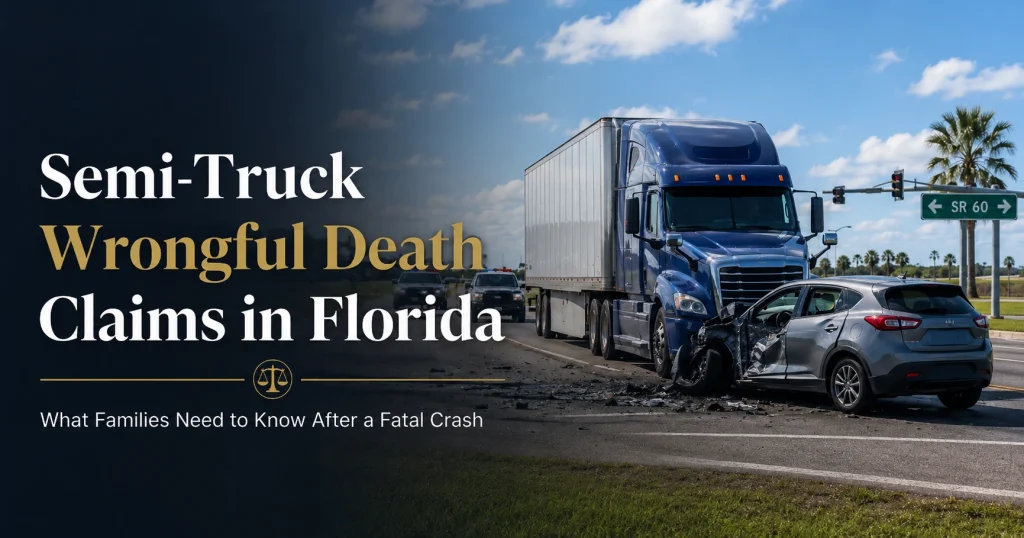
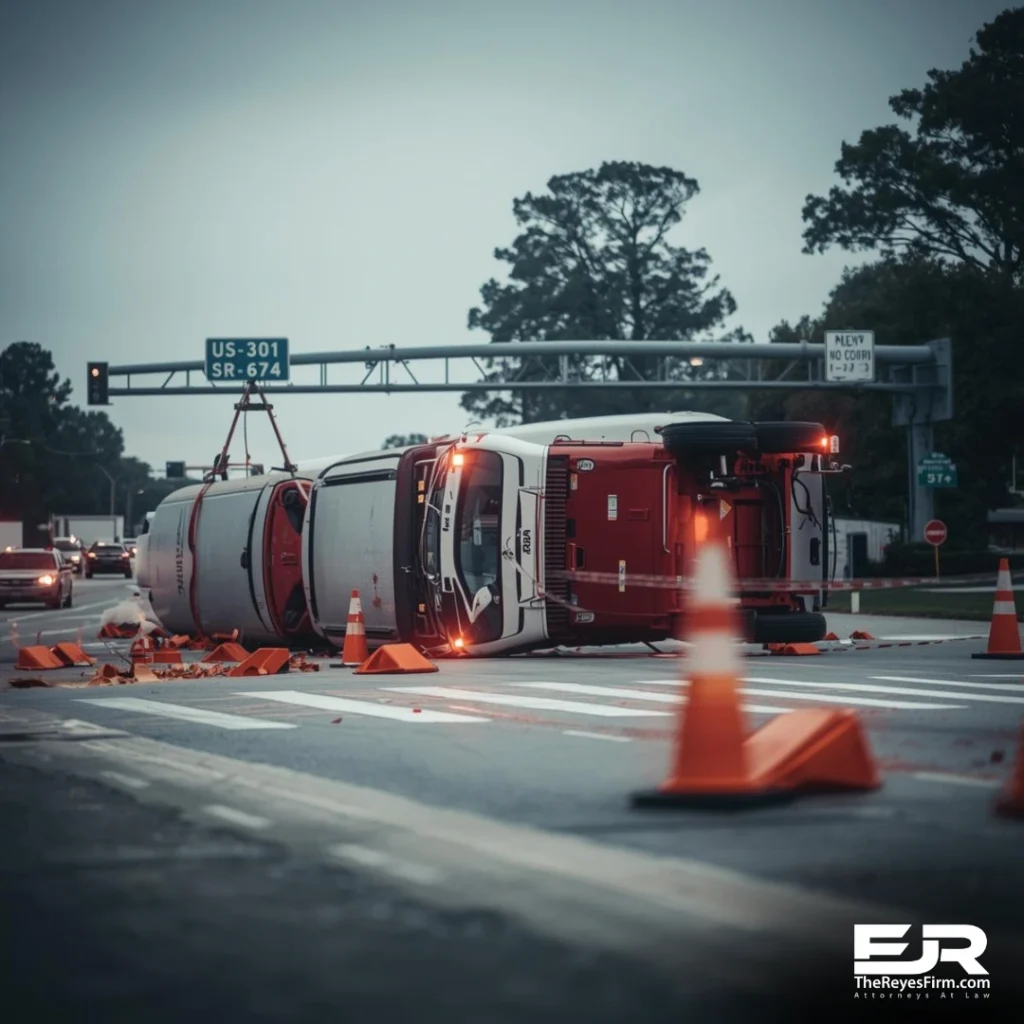
What You Need to Know A 40-year-old Tampa truck driver died after his tractor-trailer left Florida’s Turnpike on August 16, 2026. Early reports said he lost control for an unknown reason before striking a guardrail and several trees. A single-vehicle truck crash can still raise questions about maintenance, vehicle condition, cargo, work schedules, and other evidence. If the driver was working at the time, certain family members may have rights under Florida workers’ compensation law. A separate claim may also be possible if evidence shows that another person or company contributed to the crash. Had a bad day? Call The Reyes Firm at 833-4 BAD DAY ((833) 422-3329). When someone leaves home for work and never comes back, the family is left with more than grief. There are questions. Why did the truck leave the road? Was there a mechanical problem? Did something happen with the load? What records exist? What happens now if the person who died was working? Those questions deserve careful answers. For families dealing with a serious commercial vehicle crash, a Tampa truck accident lawyer may need to look far beyond the first crash report to understand what actually happened. What Happened in the Florida Turnpike Tractor-Trailer Crash? A 40-year-old Tampa man died on August 16, 2026, after the tractor-trailer he was driving left the southbound lanes of Florida’s Turnpike near mile marker 306.5 in Sumter County. Early reports citing the Florida Highway Patrol said he lost control for an unknown reason before striking a guardrail and several trees. The map shows the reported crash area and is for location reference only. No other vehicles were reported to be involved. The driver suffered fatal injuries and died at the scene. Reports also said hazardous material was involved, and crews spent nearly 12 hours clearing the scene. That does not mean the cargo caused the crash. At the time of the initial reporting, no public finding had established that speed, fatigue, maintenance, cargo, a mechanical problem, or road conditions caused the driver to lose control. That is why the investigation matters. The first report may describe how a crash happened. It does not always explain why. 💡 Did You Know? FLHSMV reported 46,651 commercial motor vehicle crashes in Florida in 2024, including 315 fatalities. The agency marked the 2024 figures as preliminary. Can Someone Else Be Responsible for a Single-Vehicle Truck Crash? Yes. A one-vehicle crash does not automatically mean the driver was fully responsible. Commercial trucks create many layers of evidence, and investigators may need to look at the truck itself, company records, maintenance history, cargo, work schedules, and other facts before reaching a conclusion. Some of the questions investigators may ask include: Were the brakes, tires, steering, or suspension working properly? Was the truck inspected and maintained on schedule? What does the truck’s electronic data show? How long had the driver been working? Were required rest periods followed? Was the cargo loaded and secured correctly? Were there company instructions or dispatch records that matter? Florida Statute §316.302 applies commercial motor vehicle safety rules to many trucks operating on Florida roads. These rules cover driver qualifications, hours of service, inspections, maintenance, and hazardous materials. None of those issues should be assumed. They should be investigated. That distinction matters most when the person who died was the driver. Families should not be left believing the crash was automatically the driver’s fault simply because no second vehicle was involved. What Evidence Can Help Explain a Fatal Truck Crash? Truck crashes can leave behind more evidence than most families realize. Some of that information may help explain what happened in the minutes, hours, or even days before the crash. Important evidence may include: Electronic logging device records Engine or event data Dashcam footage GPS and route records Maintenance and inspection history Driver work records Dispatch communications Cargo and shipping documents Post-crash inspection reports Photos and video from the scene Witness statements Employment and payroll records A trucking company, maintenance company, cargo company, insurer, or another business may control some of this information. That is why evidence preservation matters. A preservation demand is a formal request asking a company to keep records related to the crash instead of deleting, changing, or disposing of them. ⚠️ Warning: Work-Related Deaths Can Have Notice Requirements Florida Statute § 440.185 generally requires notice of a work-related injury within 30 days. In a fatal work accident, the worker’s agent or estate may be able to satisfy the notice requirement. Different claims can have different deadlines, so families should not assume they all follow the same timeline. What Rights Can a Truck Driver’s Family Have After a Fatal Work Crash? If the driver was working when the crash happened, the family may have rights under Florida’s workers’ compensation system. The exact benefits depend on the driver’s employment situation, family relationships, dependency, and other facts. Florida Statute §440.09 covers certain injuries and deaths that arise out of work performed in the course and scope of employment. Florida Statute §440.16 addresses death benefits. Depending on the circumstances, qualifying benefits may include: Funeral expenses Payments to certain dependents Benefits based on the worker’s wages Certain education benefits for an eligible surviving spouse The law currently allows up to $7,500 in actual funeral expenses and sets limits on certain dependency benefits. Workers’ compensation can be confusing for families because it works differently from a normal injury lawsuit. It can also limit lawsuits directly against an employer in many cases. But that does not always mean workers’ compensation is the only legal issue. Can a Family Have a Third-Party Claim Too? Possibly. If someone outside the employer contributed to the crash, the family may have a separate claim against that person or company. Florida Statute §440.39 recognizes third-party claims in certain work-related injury and death cases. For example, an investigation may look at the role of: A separate maintenance or repair company A parts manufacturer A cargo-loading company A shipper Another driver Another business connected to the truck or load