Truck Accidents

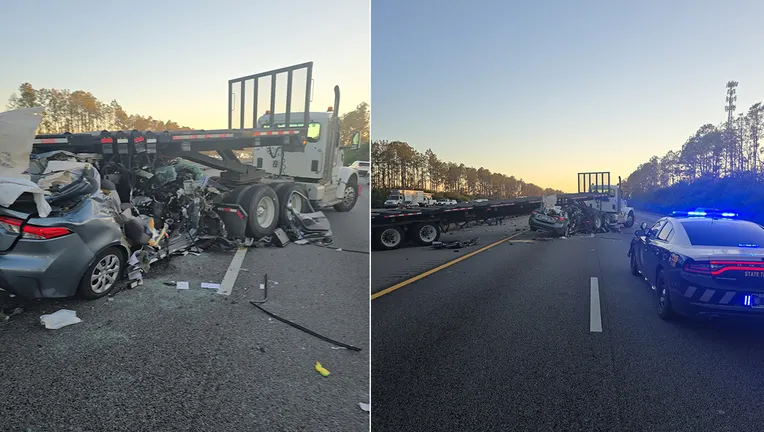
Crash scene on I-75 near Sun City Center, Florida, with Florida Highway Patrol and a tractor-trailer, Tampa truck accident lawyer blog.
Blog, News, Truck Accidents, Wrongful Death

Fatal I-75 Truck Accident: Legal Rights After an Illegal U-Turn Crash in Hillsborough County

Imagine driving down the highway, minding your own business, when a wall of steel suddenly blocks your path. This nightmare became a reality on I-75 near the Hillsborough-Manatee County line this week. A 28-year-old man from Parrish was driving his Toyota Corolla when a massive tractor-trailer tried to make an illegal U-turn right in front of him. The crash was so bad that the young man later died at the hospital. Traffic was moving slowly that afternoon because of a fire near the Sun City Center exit. The truck driver, a 45-year-old man, apparently didn’t want to wait in line. Instead of being patient, he tried to whip his giant truck around into the southbound lanes. He was arrested for reckless driving, but for the family left behind, a simple arrest doesn’t fix the hole left in their lives. When something this tragic happens, people have many questions. How could a professional driver make such a dangerous choice? Who is responsible for the bills and the loss of a loved one? As a Tampa truck accident lawyer, the team at The Reyes Firm looks into these cases to find the truth. Under Florida law, families have specific rights to hold these drivers, and the companies they work for, accountable for their actions. Approximate crash area on I-75 (Sun City Center vicinity) Note: This map is for general location context based on public reporting, not an exact pin. The Danger of Illegal U-Turns on the Interstate Interstates like I-75 are designed for high-speed, forward motion. They are not built for 80,000-pound trucks to turn around in the middle of the road. When a truck driver decides to make an illegal U-turn, they are essentially creating a trap. Because these trucks are so long, they can block three or four lanes of traffic at once. Even if a driver sees the truck, a car traveling 70 mph cannot stop quickly enough to avoid a collision with a trailer parked sideways across the road. In Florida, there are strict rules, called “Statutes,” that specify where you can and cannot turn. Specifically, Florida Statute § 316.1515 says U-turns are only allowed if they can be made safely and without getting in the way of other people. On a busy highway like I-75, it is almost impossible for a big rig to do this safely. Who is Responsible for a Truck Crash? Most people think only the driver is at fault, but a Sun City Center truck accident lawyer knows there is often a bigger picture. While the driver made the bad choice to turn, the company he works for might also be in trouble. This is a legal idea called “Vicarious Liability.” This means that if an employee causes a crash while on the clock, the employer (the trucking company) is also responsible. There are other ways a company might be held liable: Negligent Hiring: Did the company check the driver’s history before hiring him? Before a trucking company hands over the keys to an 80,000-pound vehicle, it is required to perform a deep background check. If they hire a driver with a history of reckless driving or multiple accidents, the company can be held liable for placing a “dangerous instrument” on our local roads. Bad Training: Did the company teach the driver that illegal U-turns are dangerous? Operating a tractor-trailer requires specialized skills that go beyond a standard driver’s license. Companies must provide ongoing safety training to ensure their drivers understand that shortcuts, like illegal U-turns on I-75, are never an option, regardless of traffic delays. Hours of Service: Was the driver too tired because the company made him drive too many hours without a break? Fatigue is a leading cause of truck accidents in Florida. Federal laws limit how many hours a driver can be behind the wheel, but some companies pressure drivers to disregard these rules to meet deadlines, leading to slower reaction times and poor decision-making. Mechanical Failure: If the truck’s lights weren’t working or the brakes were old, the maintenance crew could be to blame. Trucks must be inspected and maintained regularly to stay safe. If a driver attempts a maneuver and their brakes fail, or if their trailer lights are out so that oncoming cars can’t see them at night, the maintenance team or the trucking company may be held liable for the resulting crash. Understanding Wrongful Death Rights in Florida When someone dies in a crash, it is called a “wrongful death” case. This isn’t the same as a criminal case where someone goes to jail. Instead, it’s a civil case in which the family seeks help with the financial and emotional pain the crash caused. In Florida, the “Wrongful Death Act” allows family members, such as a spouse, children, or parents, to seek compensation. This can include money for: Medical Bills: The cost of the hospital stay before the person passed away. When a serious accident occurs, medical expenses can accumulate within hours. From the emergency helicopter transport to the intensive care unit (ICU) costs, these bills become part of the legal claim to ensure the victim’s family isn’t left carrying the financial burden of a tragedy they didn’t cause. Funeral Costs: Paying for a proper service and burial. Losing a loved one is emotionally devastating, and the high cost of a funeral only adds more stress. A wrongful death claim helps cover the expenses for a respectful service, burial, or cremation, allowing the family to focus on saying goodbye rather than worrying about how to pay for it. Lost Wages: The money the person would have earned to support their family for the rest of their life. When a provider is gone, the family loses more than just a person; they lose their financial security. A Tampa truck accident lawyer works with experts to calculate the deceased’s lifetime earnings to ensure their spouse and children are provided for. Pain and Suffering: The emotional heartbreak of losing a family member. There is no price tag
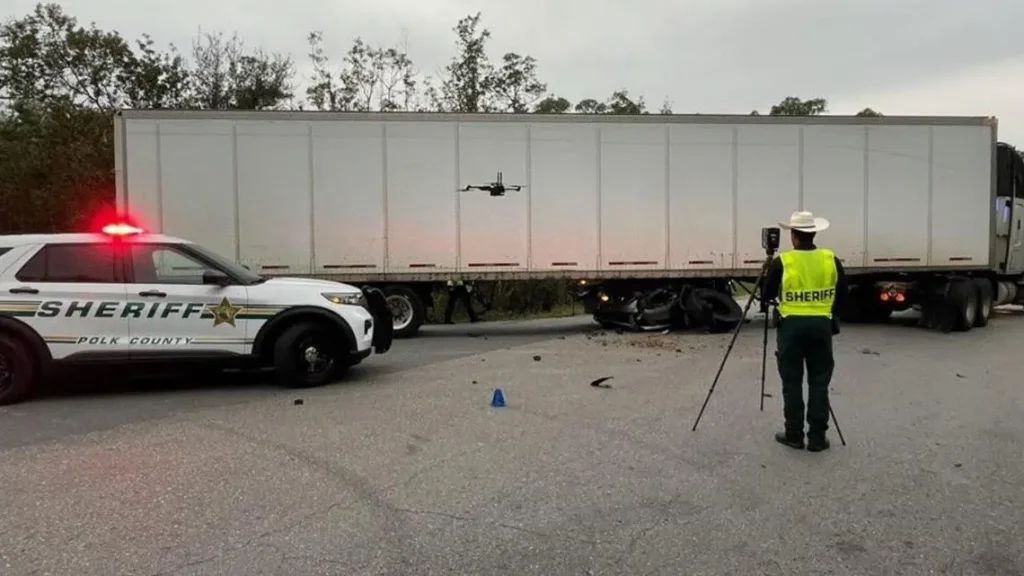

Law enforcement investigates a semi truck crash on Deen Still Road near Wheeler Road in Davenport, Florida.
Blog, News, Truck Accidents

Davenport Semi-Truck Crash on Deen Still Road: What Families Should Know and What to Do Next

The days after a deadly crash rarely feel “dramatic” in the way people expect. They feel quiet and unreal. Phones keep buzzing, but the mind feels stuck in one moment. Families also get hit with decisions they did not ask for. A call from an insurance company. A request for paperwork. Someone asks, “Can you explain what happened?” before the family even has the full story. This guide is meant to slow things down and add structure. It explains what is known so far about the Davenport crash, what steps families can take next, and when it is helpful to speak with a Davenport semi-truck accident lawyer. News summary: What happened in Davenport on Deen Still Road? Local reporting, based on information from the Polk County Sheriff’s Office, said the crash happened around 5:45 a.m. at Deen Still Road and Wheeler Road in Davenport. Deputies said a Freightliner semi-truck pulled out from a sand mine entrance at Wheeler Road and was stretched across Deen Still Road while attempting to turn. A 2018 Nissan Sentra traveling eastbound struck the side of the trailer and went underneath it. The driver of the Sentra, a 61-year-old man from Zephyrhills, died at the scene. The roadway was closed for about four hours while investigators worked. Important note: Early details can change as investigators confirm measurements, witness statements, and physical evidence. Families should treat initial news reports as preliminary until the investigation is complete. Map: Deen Still Road & Wheeler Road, Davenport, FL (Polk County) Why crashes with semi-trucks can be so dangerous on local roads A semi-truck crash is not the same as a crash between two passenger cars. Even if the speed looks “normal,” the size and shape of a tractor-trailer can create risks that smaller vehicles are not built to handle. Here are a few reasons these crashes can turn deadly: Weight and force: A commercial truck can weigh far more than a car. That extra mass changes what happens on impact. Longer time to clear a road: A tractor-trailer needs more space and more time to turn or cross lanes. Blind spots and visibility: Truck drivers often have large blind zones, especially along the sides and behind the trailer. Underride danger: When a car goes underneath a trailer, the top of the car can be crushed. This is sometimes called an underride crash. In this Davenport case, investigators reported the car went underneath the trailer, which helps explain why the outcome was so severe. Florida truck crash context: Why this is not “rare” statewide Families often ask, “How does something like this even happen?” Florida experiences a high number of serious crashes each year, including those involving commercial vehicles. In FLHSMV’s “By the Numbers 2024” snapshot (noted as preliminary), Florida reported: 46,651 commercial motor vehicle crashes 315 fatalities in commercial motor vehicle crashes That does not make any single loss feel smaller. But it does show why careful investigation matters in truck cases. A crash involving a commercial vehicle is a public safety issue and warrants a thorough review. What families should do in the first 24 to 72 hours After a fatal or serious semi-truck crash, families are usually trying to grieve and manage practical tasks at the same time. These steps can help protect the family without adding extra stress. 1) Focus on immediate needs first If anyone survived the crash, medical care comes first. Even if a person feels “mostly okay,” symptoms can show up later, especially with head, neck, and back injuries. 2) Do not rush into recorded statements Insurance adjusters may request a recorded statement immediately. Families do not have to give one immediately, especially when facts are still unclear and emotions are raw. A safer approach is simple: “We are not ready to give a statement right now.” “Please send questions in writing.” “We will respond after we review the report.” 3) Start a single folder for paperwork Families can reduce stress by keeping everything in one place. Helpful items include: The crash location and time (as best as known) The responding agency name Any claim numbers, letters, or emails Names and phone numbers of anyone who called about the crash Funeral or hospital paperwork (if applicable) 4) Be careful with social media details It is normal to want to update friends. But posts about fault, speed, injuries, or “what happened” can be misunderstood later. Keeping public posts brief and private is often the safest approach. How to get the official Florida crash report Families often feel stuck waiting for answers. The crash report can be a key first step, but it is not always available right away. FLHSMV says traffic crash reports may take up to 10 days to become available. The Crash Portal also notes that search results may not include crashes from the last 10 days because law enforcement has 10 days to submit crash reports. Another detail many families do not know: crash reports are confidential for 60 days, with access limited to designated, eligible parties during that period. A Davenport semi-truck accident lawyer can help families request the appropriate records, confirm eligibility, and request supporting documents that may not appear in a basic report. Why the crash report is only the beginning of a truck case A crash report can be helpful, but it is not the whole story. In a semi-truck case, the most important answers often come from evidence beyond the initial narrative. That may include: Photos and measurements from the scene Witness statements Vehicle damage patterns Any available video from nearby businesses Commercial vehicle inspection and maintenance records Electronic records tied to the truck’s operation and driver activity When a crash involves a trailer stretched across a roadway, questions often come up about timing, visibility, lighting, and whether the truck’s movement was safe for that road at that moment. Who may be responsible after a Davenport semi-truck crash Many people assume the case is only about the truck driver. Sometimes it is. But commercial crashes often

Nighttime traffic on a Tampa, Florida highway with a semi-truck and police lights in the distance, representing a trucking accident attorney case value guide.
Blog, Truck Accidents

What Is Your Tampa Truck Accident Case Really Worth?

After a serious truck crash, life can feel “off” in quiet ways. Sleep is lighter. The body feels sore in new places. Driving past the same stretch of road in Tampa suddenly feels different. Many injured people also feel pressured quickly. Insurance calls start. A recorded statement is requested. Forms show up that look routine, but do not feel routine. You may feel pressure to give a recorded statement, sign forms, or accept an early offer before you know how the crash will affect your health and work. This article gives clarity, structure, and next steps. It explains how a trucking accident attorney assesses case value in Florida, which laws and records matter most, and what injured people in Tampa Bay can do early to protect themselves. What You Need to Know About a Tampa Truck Accident Case Value Your case value may include medical expenses, lost income, future financial losses, pain, and changes to your daily life. A reliable estimate usually requires medical records, proof of fault, available insurance information, and evidence from the truck or trucking company. A quick settlement may leave future treatment, reduced earning ability, or long-term injuries out of the calculation. Ask any lawyer you are considering to explain attorney fees, case expenses, likely next steps, and the limits of any early case-value estimate. Florida deadlines matter, but truck data, video, logs, and other evidence may disappear much sooner. Had a bad day? Call The Reyes Firm at 833-4 BAD DAY. Why Can’t a Lawyer Give an Exact Truck Accident Case Value Right Away? A lawyer usually cannot give an exact truck accident case value during the first call. The medical outcome, future care, lost earning ability, available insurance, disputed fault, and trucking evidence may still be unknown. A responsible early estimate should be explained as a range or preliminary evaluation, not a guaranteed settlement amount. A Tampa truck accident attorney may review: Current medical bills and expected future treatment Lost wages and reduced future earning ability Physical pain and changes to daily activities The strength of the liability evidence Each available commercial insurance policy Any claim that you contributed to the crash The cost and time required to investigate or litigate the case Ask the lawyer to explain which information is already known, which records are still missing, and what could increase or reduce the evaluation. Why Are Tampa Truck Accident Cases More Complex Than Car Accident Cases? Tampa truck accident cases can involve several companies, commercial insurance policies, federal safety rules, and records that injured people cannot obtain on their own. The truck driver may be only one part of the investigation. The carrier, vehicle owner, maintenance company, cargo loader, or another business may also need to be examined. How Common Are Serious Commercial Vehicle Crashes? Did You Know? FLHSMV reported 46,651 commercial motor vehicle crashes and 315 related fatalities in Florida during 2024. These figures were listed as preliminary. NHTSA reported that 5,472 people were killed nationally in traffic crashes involving large trucks during 2023. Seventy percent were occupants of other vehicles. Sources: FLHSMV 2024 By the Numbers and NHTSA Large Trucks: 2023 Data. Truck cases also tend to involve: Multiple companies and policies Private business records Commercial safety rules Evidence that may disappear That is why a trucking accident attorney often focuses on structure and documentation first, not quick numbers. Who May Be Liable for a Tampa Truck Accident? More than one person or company may be liable for a Tampa truck accident. The responsible parties depend on who owned the truck, employed or contracted with the driver, maintained the vehicle, loaded the cargo, controlled the route, and contributed to the unsafe condition that caused the crash. Depending on the evidence, a claim may involve: The truck driver The motor carrier or trucking company The truck or trailer owner A maintenance or repair contractor A cargo loader or shipper A broker in certain cases A vehicle or parts manufacturer when a defect contributed to the crash Identifying every responsible party matters because each party may hold different records and insurance coverage. A lawyer should investigate the business relationships instead of assuming the driver is the only possible defendant. Which Florida Laws Can Affect a Truck Accident Case Value? Several Florida laws can affect a truck accident claim. They control filing deadlines, access to certain insurance benefits, recovery for pain and suffering, and the effect of shared fault. These rules do not determine a settlement by themselves, but they can affect which damages may be pursued and how the claim must be prepared. How Long Do You Have to File a Florida Truck Accident Lawsuit? Warning: Florida generally gives you two years to file a negligence lawsuit. A different deadline or notice rule may apply in some cases, and important trucking evidence may disappear long before the filing period ends. Source: Florida Statute § 95.11. Comparative fault can reduce or even block recovery Florida’s modified comparative fault rule can reduce or block recovery. If you are assigned part of the fault, your damages may be reduced by that percentage. In many negligence cases, a person found more than 50 percent responsible for their own harm cannot recover damages. Can You Recover Compensation If the Trucking Company Blames You? Your Rights: Being accused of contributing to the crash does not automatically end your claim. Evidence such as vehicle data, video, witness statements, inspection records, and driver logs may challenge an insurer’s version of events. Source: Florida Statute § 768.81. PIP rules still matter in many vehicle crashes Florida PIP benefits may apply based on the injured person’s insurance status and the facts of the crash. Florida Statute § 627.736 generally requires initial medical services and care within 14 days for PIP medical benefits. The 14-day rule concerns access to PIP benefits and is not the deadline for filing a truck accident lawsuit. Source: Florida Statute § 627.736. The same statute also explains the emergency medical condition (EMC) issue that many people hear

Semi-truck accident claims
Blog, Truck Accidents

How Semi-Truck Accident Claims Work: Evidence, Deadlines, and Common Mistakes to Avoid

Accidents involving semi-trucks can be life-altering. These massive vehicles, often weighing tens of thousands of pounds, can cause devastating damage when involved in collisions. Whether you are a construction professional, property owner, architect, government agency, or real estate developer, the consequences of a semi-truck accident can affect you or your business in unexpected ways. If you or someone you know has been involved in a semi-truck accident, it’s essential to understand how these types of claims work and what steps need to be taken to ensure a successful legal outcome. Many people are unaware of the complexities involved in semi-truck accident claims. From gathering evidence to dealing with insurance companies, the process can be overwhelming. To add to the complexity, there are strict deadlines that must be adhered to, and any mistakes along the way can result in a denial of your claim. This article will guide you through the essential aspects of semi-truck accident claims, focusing on the key evidence, the deadlines involved, and common mistakes to avoid. For construction professionals, architects, and other industry professionals who may deal with semi-truck accident claims as part of their projects, understanding these claims can help protect your business and the people involved in your projects. Whether it’s ensuring safe road conditions for construction vehicles or understanding the responsibilities of trucking companies, a firm grasp of semi-truck accident claims can help you manage your own projects better and avoid complications that may arise due to accidents. What You Need to Know About Semi-Truck Accident Claims A semi-truck accident claim is a legal process in which a person seeks compensation after being injured or suffering damages due to a collision with a semi-truck. These claims are different from regular car accident claims because of the size, weight, and complexity involved with semi-trucks. Semi-trucks are typically owned by large companies, and there are numerous regulations that govern the operation of these vehicles. In a semi-truck accident, the plaintiff—usually the person who has suffered injury or property damage—may seek compensation for medical bills, lost wages, pain and suffering, and other losses. In order to file a successful claim, it’s critical to understand what evidence you need, the deadlines you must meet, and the common mistakes you should avoid. Gathering the Right Evidence for Semi-Truck Accident Claims When pursuing a semi-truck accident claim, gathering the right evidence is crucial for establishing liability and securing a fair settlement or court award. Unlike regular car accidents, which may involve only a few parties and limited evidence, semi-truck accidents often involve multiple parties, complex regulations, and extensive documentation. Here are the key pieces of evidence to focus on: Police Reports: The first thing to do after an accident is to contact law enforcement. A police report is a vital piece of evidence, as it documents the accident scene, the truck driver’s actions, and any potential traffic violations. This report will help to identify the responsible parties. Truck Driver’s Logs and Records: Truck drivers are required by law to maintain records of their driving hours, cargo, and rest periods. These logs can help determine whether the driver was fatigued or violated any federal trucking regulations, such as driving beyond the allowed number of hours without rest. Black Box Data: Many modern trucks are equipped with “black boxes,” which record crucial data, such as speed, braking patterns, and engine performance. This data can be instrumental in proving the cause of the accident. Witness Statements: Eyewitnesses can offer valuable insights into the accident, such as how it occurred and whether the truck driver acted negligently. Be sure to gather contact information from anyone who witnessed the incident. Truck Maintenance Records: If the accident was caused by a mechanical failure, the truck’s maintenance records can show whether the truck was properly maintained. This can help establish liability on the part of the trucking company. Deadlines in Semi-Truck Accident Claims: Why Timing Matters Another critical aspect of semi-truck accident claims is the statute of limitations, or the deadline by which a claim must be filed. If you miss this deadline, you risk losing your right to compensation. In Florida, the statute of limitations for personal injury claims is typically four years from the date of the accident. However, this deadline can be affected by several factors, such as the involvement of government entities or if the case involves a wrongful death claim. The earlier you begin the process of filing your semi-truck accident claim, the better. Delaying the claim can make it harder to gather evidence, witness statements, and expert testimony. Insurance companies may also try to limit their payout the longer the claim is delayed, so acting quickly can improve your chances of securing a fair settlement. Common Mistakes to Avoid in Semi-Truck Accident Claims Failing to Gather Evidence Immediately: One of the most significant mistakes in semi-truck accident claims is not collecting evidence right after the accident. Without timely evidence, your chances of proving fault decrease dramatically. If possible, take photographs of the scene, gather witness contact details, and obtain the police report. Accepting the First Offer from Insurance Companies: Insurance companies are in the business of minimizing payouts. They may offer a quick settlement, but this offer is often far lower than what you are entitled to. Don’t settle too soon—always consult with an attorney before accepting any offer. Not Hiring an Experienced Attorney: Handling a semi-truck accident claim without legal representation can be a costly mistake. A lawyer specializing in semi-truck accidents can help you navigate the legal complexities, negotiate with insurance companies, and ensure that you receive the compensation you deserve. Ignoring Non-Economic Damages: Many claimants focus on tangible losses, such as medical bills and property damage, but non-economic damages like pain and suffering, emotional distress, and loss of quality of life can significantly impact the value of your claim. Make sure your attorney helps you account for all the damages you’ve experienced. Not Documenting Your Injuries Thoroughly: Injuries from semi-truck accidents can be severe, and the extent

Who is liable in truck accidents
Blog, Truck Accidents

Who Is Liable in Truck Accidents in Florida? Driver vs. Company vs. Shipper

In Florida, semi-truck accidents are a significant concern for both drivers and those in construction, real estate development, and related industries. These accidents are often catastrophic, involving massive vehicles that can cause severe damage to smaller passenger cars and the individuals inside them. But when a semi-truck accident happens, determining who is liable in truck accidents can be a complex process. Is it the driver who was behind the wheel? The trucking company that employs them? Or perhaps the shipper who loaded the truck with goods? The answer is often not straightforward. In fact, liability in semi-truck accidents can fall on multiple parties, depending on the circumstances surrounding the crash. For professionals in construction and property development, understanding how liability works in truck accidents is crucial, as these accidents may involve heavy machinery, construction materials, or even the roads themselves. Whether you’re an engineer involved in designing roads or a developer overseeing logistics, knowing who is responsible after an accident can protect your legal and financial interests. In this article, we will break down who can be held responsible for a semi-truck accident and the factors that play into determining fault. We’ll also offer guidance to ensure that you understand how to protect yourself and your business in the event of a crash. Who is Liable in Truck Accidents? Understanding Liability When it comes to semi-truck accidents, liability can extend far beyond the driver of the truck. To answer the question, “Who is liable in truck accidents?”, it’s essential to look at the roles of the truck driver, trucking company, shipper, and sometimes even the manufacturer of the vehicle or vehicle parts. In many cases, multiple parties can share the responsibility. Let’s dive deeper into each one of these parties to understand their potential liability. The Truck Driver: Personal Responsibility and Negligence In most truck accidents, the truck driver is the first person who comes to mind when determining liability. Like any other driver on the road, semi-truck drivers are expected to follow traffic laws and drive safely. However, truck drivers are subject to additional regulations and safety rules due to the size and weight of their vehicles. Truck drivers can be held personally liable if their actions led to the accident. Common driver-related issues that contribute to crashes include: Driver Fatigue: Truck drivers are often required to drive long hours, sometimes exceeding safe limits. Federal law regulates the number of hours a driver can work, but violations of these regulations can result in accidents due to fatigue, which impairs reaction times and judgment. Distracted Driving: Like any other motorist, truck drivers are prohibited from texting or using their phones while driving. Distractions can significantly increase the likelihood of a crash. Driving Under the Influence: If the truck driver was under the influence of alcohol or drugs at the time of the crash, they can be held liable for any resulting injuries or damage. Reckless or Aggressive Driving: Semi-truck drivers may sometimes drive aggressively, tailgating, speeding, or making unsafe lane changes. These behaviors can lead directly to accidents. The Trucking Company: Employer Responsibility While the driver may be directly responsible for the accident, the trucking company that employs them may also bear responsibility. This is based on the legal doctrine known as respondeat superior, which holds employers responsible for the actions of their employees if those actions are performed within the scope of employment. This means that if the truck driver was performing their job duties at the time of the accident, the trucking company may be liable for the damages caused. Several key factors can lead to the trucking company being held responsible: Negligent Hiring or Training: If the trucking company failed to properly vet the driver or provide adequate training, they could be held liable. This might include hiring drivers with poor driving records or failing to ensure that they were properly trained to handle large trucks safely. Failure to Maintain the Truck: Trucking companies are responsible for maintaining their fleet of trucks in good working condition. If the company fails to regularly inspect and maintain its trucks and an accident occurs due to a mechanical failure, the company could be liable for the crash. Unrealistic Delivery Schedules: If the trucking company pressures its drivers to meet tight deadlines, it could lead to reckless driving behaviors, like speeding or driving while fatigued. In these cases, the company could be held liable for causing or contributing to the accident. The Shipper or Freight Company: Responsibility for Loading An often overlooked but important party in truck accidents is the shipper or freight company that loads goods into the truck. Improper loading or securing of cargo can lead to dangerous accidents. If cargo is loaded incorrectly, it may shift during transit, causing the truck to become unbalanced or tip over. Shippers or freight companies can be held responsible if: Cargo Shifting: If the cargo was loaded improperly and shifted during the trip, causing the truck to lose control, the shipper could be held liable for the accident. Overloading the Truck: Shippers are responsible for ensuring that trucks are not overloaded. If a truck is carrying more weight than it can safely handle, the driver may lose control of the vehicle, leading to an accident. Failure to Follow Safety Standards: Shippers must comply with federal safety standards when securing cargo. If they fail to do so, they may be held responsible for accidents caused by unsecured or improperly loaded cargo. Other Potential Liable Parties: Manufacturers, Government Agencies, and More In some cases, liability for a semi-truck accident may extend to other parties beyond the driver, trucking company, and shipper: Vehicle Manufacturers: If the accident was caused by a defect in the truck, such as faulty brakes or tire blowouts, the manufacturer of the truck or its components could be held liable for the accident. Road Conditions and Government Entities: If poor road conditions contributed to the crash, such as potholes, inadequate signage, or unsafe road designs, local or state government agencies

What to Do After Semi-Truck Accidents
Blog, Truck Accidents

What to Do After Semi-Truck Accidents: A Step-by-Step Checklist for Victims

In Florida, semi-truck crashes happen fast—and knowing what to do after semi-truck accidents can make a real difference in your health, finances, and legal options. These collisions are especially common near high-traffic construction zones, industrial corridors, and major real estate developments, where heavy equipment, lane shifts, and tight schedules increase risk. Because a semi-truck is so large and heavy, even a “minor” impact can lead to serious injuries and expensive vehicle damage. For construction professionals, property owners, architects, engineers, and developers, a truck crash can also disrupt jobsite operations, deadlines, and business responsibilities. You may be dealing with medical appointments, missed work, and calls from insurance adjusters—all while trying to keep projects moving. The right next steps help protect your recovery and prevent small mistakes from turning into big problems later. That’s why this step-by-step checklist is designed to guide you from the first minutes after the crash through the days that follow. By focusing on safety, medical care, documentation, and smart communication, you’ll be in a stronger position to protect your rights and pursue fair compensation if someone else’s negligence caused the collision. Step 1: Ensure Safety and Call Emergency Services The first thing to do after any accident, especially one involving a semi-truck, is to ensure everyone’s safety. If possible, move to a safe location away from the traffic to avoid further risk of injury. In many cases, semi-trucks are involved in high-speed collisions, so other vehicles on the road may be approaching quickly. Getting to a safe spot is critical. Once you’re safe, immediately call 911 or the local authorities to report the accident. Provide the dispatcher with as much information as possible, including the exact location, the number of vehicles involved, and whether anyone has been injured. Emergency medical assistance and police officers will be on their way to help, and it’s essential that law enforcement documents the scene of the accident. For construction professionals, property owners, and developers who may be managing worksite logistics or handling large equipment deliveries, getting a police report is vital. This document will serve as an official record of the accident, which will be important if you need to pursue any legal action. Step 2: Check for Injuries and Seek Medical Attention Even if you feel fine after the accident, it’s essential to seek medical attention immediately. Semi-truck accidents often cause injuries that aren’t immediately visible, such as internal injuries, concussions, or spinal damage. Many people involved in such accidents are in shock, which can mask the pain of certain injuries. Seek a thorough medical evaluation as soon as possible. Not only is this critical for your health, but it also establishes a medical record of your injuries that will be important for insurance claims or a personal injury lawsuit. For professionals involved in large-scale projects, physical injuries from a semi-truck accident can affect your ability to oversee construction work, visit job sites, or manage your team. Understanding the full extent of your injuries allows you to accurately assess any lost income or increased costs related to your recovery. Step 3: Document the Accident Scene and Gather Evidence If you are able, document as much of the accident scene as possible. Take clear photographs of the vehicles involved, the surrounding area, the damage to the semi-truck, and any visible injuries you or others may have sustained. Photograph road conditions, signage, or traffic lights that may have contributed to the crash. If there are any witnesses, gather their contact information. Witness statements can play an essential role in determining the cause of the accident, especially in construction zones or high-traffic areas where visibility or road conditions may have been factors. For architects, real estate developers, and engineers, understanding the physical environment and circumstances of the crash is important for future design planning and liability concerns. Identifying issues such as poor road conditions, inadequate signage, or lane narrowing may help prevent similar accidents in the future. Step 4: Exchange Information with the Other Parties Involved Next, exchange contact information with the truck driver, any other drivers involved, and any witnesses. You’ll need to collect the following details: Full name, phone number, and address of the truck driver License plate number and driver’s license number of the truck driver Name of the trucking company Insurance details of the trucking company Contact details of any passengers or other drivers involved For professionals who may be managing construction projects or development sites, having this information is crucial for tracking any damage to property or vehicles related to the accident. Insurance companies will require these details to process claims and determine fault. Step 5: Report the Accident to Your Insurance Company After gathering the necessary information and securing medical attention, contact your insurance company to report the accident. Be truthful about what happened, but avoid admitting fault or making statements that could be used against you later. Your insurance company will begin an investigation to determine who is at fault for the accident and assess any damages. For construction professionals and developers, this step is also important for safeguarding any work vehicles, equipment, or property that may have been damaged. Step 6: Avoid Speaking to the Trucking Company’s Insurance Adjuster One of the most common mistakes victims make after a semi-truck accident is speaking to the trucking company’s insurance adjuster without legal representation. These adjusters are trained to minimize the amount of money the trucking company must pay out. They may offer you a quick settlement, but this initial offer is often far less than what you are entitled to. If you’ve sustained significant injuries or damage to your property, it’s crucial to consult with a personal injury attorney before signing any documents or accepting an offer from the trucking company’s insurer. Step 7: Consult an Experienced Personal Injury Attorney Finally, the most important step you can take after a semi-truck accident is to contact an experienced personal injury attorney. The Reyes Firm specializes in representing victims of semi-truck accidents and has extensive experience in

Overturned semi-truck with emergency lights at night, used as a stock image for a Cape Coral semi truck accident lawyer blog
Blog, News, Truck Accidents

Pepsi Semi-Truck Rollover in Cape Coral: What Injured Drivers Should Do Next

Pepsi semi-truck rollovers are the kind of crashes that make people pull over and stare, even at 1 a.m. One minute, the road feels normal. The next minute, a massive truck is on its side, lanes are blocked, and everyone nearby is wondering who got hurt. For injured drivers in Cape Coral, the confusion often starts right away. The body may feel shaky. The mind may feel foggy. People may say, “You look fine,” even while pain is building under the surface. That is why the next steps matter. A serious truck crash is not just about fixing a car. It is about protecting health, protecting evidence, and not letting an insurance company rush the story. This guide explains what injured drivers should do next and when it makes sense to speak with a Cape Coral semi truck accident lawyer. News summary: What happened in the Cape Coral Pepsi semi-truck rollover? Local reporting says a Pepsi semi-truck overturned around 1 a.m. near Gleason Parkway and Skyline Boulevard in Cape Coral, causing lane closures while first responders worked to rescue the driver. According to coverage, a bystander stayed with the driver and helped keep him calm until help arrived. The driver was reportedly trapped for a period of time and later treated for injuries described as non-life-threatening. Investigators typically consider factors such as speed, road conditions, turning angle, load stability, and mechanical issues after a rollover. At the time of the reports, the cause was still under review. Why a semi-truck rollover can cause serious injuries A rollover can injure the body in many ways, even if the person does not see blood or feel pain right away. A semi-truck rollover creates violent force. The human body can get thrown forward, sideways, and back again within seconds. That can strain the neck, twist the spine, and bruise muscles and joints. Rollovers also increase the risk of secondary crashes. A truck can slide across lanes, block traffic, or spill debris. Other drivers may not have time to stop, especially at night. This is one reason injuries in truck accidents can be more severe than those in smaller-car accidents. Some symptoms of injuries after a semi-truck accident are delayed. A person may feel “okay” at the scene, then feel worse the next morning. Headaches, dizziness, nausea, tingling, and stiffness may occur later. That delay is common after a high-stress event. What should injured drivers do immediately after a truck crash in Cape Coral? Seek medical care, document the crash, and avoid allowing the trucking insurer to control the situation. 1) Call 911 and get help on the scene Police and paramedics create an official record. A crash report can help confirm time, location, and early observations. This matters later if facts are disputed. If a crash is blocking traffic, 911 can also help prevent another collision. Secondary crashes happen when drivers come over a hill or around a curve and do not see the hazard soon enough. 2) Get checked by a doctor as soon as possible Even if the person feels “mostly fine,” a medical evaluation after a semi-truck crash is important. It protects health first. It also creates documentation that connects injuries to the crash. In Cape Coral and Lee County, drivers often go to nearby emergency rooms or urgent care clinics. The specific facility matters less than getting care quickly and following the treatment plan. Some semi-truck crash injuries that can be missed at first include: Concussions and mild traumatic brain injuries Whiplash and soft tissue injuries Back injuries like herniated discs Internal bruising Knee, shoulder, and wrist injuries from bracing during impact 3) Take photos and short videos, if it is safe Photos do not have to be perfect. They just need to show what happened. Useful photos include: Vehicle damage from multiple angles The truck’s company name and trailer markings DOT numbers on the cab Skid marks, debris, and fluid trails Lane layout, traffic lights, and signs Lighting and weather conditions If injuries prevent moving around, a passenger can help. If no one can take photos safely, it is still okay. The priority is safety. 4) Get witness information A witness can disappear fast. A name and phone number can make a big difference later. If possible, the injured driver can ask: “What did you see happen?” “Where were you when it started?” “Would you be willing to share your number?” Even one witness can help clarify confusion about lane changes, turning speeds, or sudden braking. 5) Do not give a recorded statement to the trucking insurer Trucking insurers often move quickly. They may sound polite on the phone, but their goal is to protect their company. A recorded statement can be used to: downplay injuries twist a timeline Suggest the injured driver “admitted fault.” highlight small inconsistencies It is safer for the injured driver to speak with a commercial vehicle and truck accident lawyer first, especially in a serious truck crash. Why truck accident cases are different than car accident cases Truck crashes often involve more parties, more insurance, and more evidence that is controlled by companies. A normal car crash is usually driver versus driver. A truck crash can involve multiple layers of responsibility. Potential parties can include: the truck driver the trucking company (motor carrier) a maintenance company a shipper or loader who secured the cargo a broker or logistics company, depending on the situation This matters because each party may have an insurance policy and a legal team. They may also have access to critical evidence that the injured driver lacks. That is why many people search for a Cape Coral semi truck accident lawyer after a rollover. They want someone who knows which evidence to request and how to protect it. Video: Does a Commercial Vehicle Crash Mean a Bigger Case? This short clip explains a common myth: commercial-vehicle cases can involve higher insurance coverage, but the value still depends on the injuries and the evidence. Watch: why commercial vehicle claims may

semi-truck accidents
Blog, Truck Accidents

Semi-Truck Accidents: What Causes Them Most Often and How to Prove Fault

Semi-truck accidents are some of the most serious crashes on Florida’s roads. When an 80,000-pound commercial vehicle collides with a passenger car, the results are often life-changing. Broken bones, spinal injuries, lost income, and even fatalities are far too common. From highways near major construction zones to busy corridors serving ports and development projects, these crashes affect far more than just drivers—they impact entire communities. For construction professionals, property owners, architects, government agencies, real estate developers, and engineering students, semi-truck accidents raise important questions about safety, infrastructure design, and accountability. Poor roadway planning, overloaded trucks, or rushed delivery schedules tied to large projects can all increase risk. Understanding why these accidents happen is the first step toward preventing them—and toward proving fault when something goes wrong. At The Reyes Firm, a Florida-based personal injury law firm, the focus is on representing injured plaintiffs with compassion and clarity. This article explains the most common causes of semi-truck accidents, how fault is proven under Florida law, and why these cases require detailed investigation and expert insight. What Are Semi-Truck Accidents and Why Are They So Dangerous? Semi-truck accidents involve large commercial vehicles such as tractor-trailers, 18-wheelers, and delivery trucks. These vehicles are essential to Florida’s construction and development economy, hauling steel, concrete, lumber, and heavy equipment to job sites across the state. However, their size and weight make them especially dangerous when crashes occur. A fully loaded semi-truck can weigh up to 20 times more than a standard car. This massive difference means longer stopping distances, wider turns, and greater force upon impact. Even a low-speed collision can cause devastating injuries. For professionals working around active construction zones or managing large-scale developments, understanding these risks is critical to improving safety planning and logistics. The Most Common Causes of Semi-Truck Accidents Semi-truck accidents rarely happen for just one reason. Most are caused by a combination of human error, mechanical issues, and environmental factors. Tight delivery schedules tied to construction timelines, long travel distances, and congested roadways all increase the likelihood of mistakes. Unlike passenger vehicles, semi-trucks depend heavily on strict compliance with safety rules, proper loading procedures, and ongoing maintenance. When any one of these systems fails, the risk of a serious crash rises sharply. These failures often reflect deeper problems such as poor oversight, unrealistic deadlines, or cost-cutting measures. Understanding the root causes of semi-truck accidents is critical not only for legal accountability but also for improving transportation safety across development and infrastructure projects. Driver Fatigue and Long Hours One of the leading causes of semi-truck accidents is driver fatigue. Truck drivers often work long shifts to meet tight delivery deadlines, especially on large construction or infrastructure projects. While federal rules limit hours of service, violations still occur. Fatigue slows reaction time, reduces awareness, and increases the risk of drifting lanes or missing hazards. In many cases, logbooks and electronic driving records reveal that a tired driver should never have been on the road. Distracted Driving Behind the Wheel Distractions such as texting, GPS systems, eating, or dispatch communications are dangerous for any driver—but especially for someone operating a semi-truck. A few seconds of inattention can result in a catastrophic crash. In high-traffic areas near development projects or urban centers, distracted driving is a growing problem. Proving distraction often requires phone records, onboard camera footage, or witness testimony. Speeding and Aggressive Driving Despite their size, some semi-trucks travel well above safe speeds. Speeding reduces a driver’s ability to stop in time and increases the severity of impact. Aggressive behaviors such as tailgating or unsafe lane changes are especially hazardous in work zones or areas with shifting traffic patterns. Speed data from engine control modules (often called “black boxes”) is frequently used to prove fault in these cases. Improper Loading and Cargo Shifts Construction materials are heavy and often uneven. When cargo is improperly loaded or not secured correctly, it can shift during transit. This may cause the truck to tip, jackknife, or lose control. In these situations, fault may extend beyond the driver to the loading company, contractor, or logistics provider. For developers and contractors, this highlights the importance of strict loading protocols and compliance. Mechanical Failures and Poor Maintenance Brake failures, tire blowouts, and steering issues are common mechanical causes of semi-truck accidents. Commercial trucks travel thousands of miles and require frequent inspections. When a trucking company fails to maintain its fleet, it may be held legally responsible. Maintenance logs, inspection reports, and repair histories are key pieces of evidence in proving negligence. Unsafe Road Design and Construction Zones Roadway design plays a major role in truck safety. Narrow lanes, poor signage, sharp curves, and inadequate merge areas increase accident risk. Construction zones with unclear markings or sudden traffic shifts are particularly dangerous for large trucks. For architects, engineers, and government agencies, these crashes underscore the need for thoughtful infrastructure planning and compliance with safety standards. Who Can Be Held Liable in Semi-Truck Accidents? One unique aspect of semi-truck accidents is that multiple parties may share fault. Liability may include: The truck driver The trucking company A cargo loading or logistics company A vehicle or parts manufacturer A maintenance provider A government agency responsible for road conditions Under Florida law, responsibility is determined based on negligence. Each party’s actions—or failure to act—are closely examined to determine how the crash occurred. How Fault Is Proven in Semi-Truck Accident Cases Proving fault in semi-truck accidents requires far more than a simple police report. These cases rely on technical evidence, documentation, and expert analysis to reconstruct what happened and why. The process is methodical and often data-driven. Evidence may include vehicle data, maintenance records, roadway conditions, and compliance with federal and state safety standards. This investigative approach aligns closely with engineering problem-solving: identifying inputs, failures, and outcomes. Because trucking companies often act quickly to protect themselves after a crash, early and thorough investigation is essential to preserving critical evidence and establishing accountability. Accident Scene Evidence Police reports, photographs, skid marks, vehicle damage, and

Tampa traffic with a commercial truck on a highway, used for a commercial truck accident attorney liability guide
Blog, Commercial Vehicles, Truck Accidents

Commercial Truck Accident Attorney: Who Can Be Held Liable (Driver, Carrier, Shipper)?

After a commercial truck crash, life can feel “off” in quiet ways. Sleep is lighter. Driving past the same intersection in Tampa feels different. Even simple errands can feel overwhelming when the body hurts, and the mind keeps replaying what happened. Many injured people also feel pressured fast. Insurance calls come in. Forms show up. Someone asks for a recorded statement. It is common to think, “Am I overreacting?” or “Should I just give them what they’re asking for so this can be over?” This article is meant to give structure and next steps. It explains who can be held legally responsible in a truck crash, what evidence matters, and how Florida law and trucking safety rules affect liability, all in plain language. A commercial truck accident attorney looks beyond the surface because truck cases often involve more than one responsible party. Florida truck crashes are not rare, and safety enforcement matters It is normal to feel overwhelmed when a commercial truck crash occurs. Many people assume it is a simple driver-versus-driver situation, only to realize that multiple companies and insurance policies are involved. Florida’s own traffic and safety data show why commercial truck crashes are a serious public safety issue. In 2024, Florida reported 46,651 commercial motor vehicle crashes and 315 fatalities tied to those crashes (preliminary). The same FLHSMV report shows 88,731 commercial vehicle inspections, with 14,091 vehicles and 5,900 commercial drivers placed out of service for safety violations (preliminary). Those numbers support a practical point. Truck safety rules are not just “paperwork.” They are meant to prevent crashes. When companies cut corners, liability often expands beyond the driver. Why commercial truck liability is different than a regular car accident Many people feel unsure about who is responsible. That uncertainty is understandable, especially when they are still sore, rattled, and trying to manage medical care and work. Commercial trucking is a system. That system can include: Driver schedules and dispatch pressure Hiring and training practices Maintenance and inspection routines Cargo loading plans and weight limits Multiple companies are working on the same shipment Florida law also recognizes that commercial vehicles are held to safety standards. Florida Statute § 316.302 ties Florida commercial motor vehicle safety requirements to federal safety rules. In plain terms, trucks operating in Florida are expected to comply with key federal safety regulations governing driver fitness, hours, inspections, and maintenance. That is why a commercial truck accident attorney often investigates more than the driver’s actions in the moment. Who can be held liable in a commercial truck accident? When someone is hurt, they usually want to know who caused the harm and who is responsible for fixing it. It can be stressful to ask that question, as the injured person does not want to accuse the wrong party. Depending on the facts, truck accident liability can involve: The truck driver The motor carrier (trucking company) The shipper The freight broker The loading company or warehouse A maintenance or repair provider A parts manufacturer Another driver In rare cases, a government agency is responsible for a dangerous road condition This article focuses on the three most common groups people ask about: drivers, carriers, and shippers. Truck driver liability: When the person behind the wheel is responsible It is common to feel conflicted about assigning blame to a driver. People often think, “Maybe it was just a mistake,” or “Maybe traffic was bad.” That concern is real. A truck driver can be held liable when unsafe driving caused or contributed to the crash, such as: Speeding or driving too fast for conditions Following too closely Unsafe lane changes or wide turns Distracted driving (phone, GPS, eating) Fatigue or drowsy driving Driving under the influence Failing to check blind spots Ignoring signals, work zones, or traffic controls Federal trucking rules that connect to driver behavior Many driver safety duties are covered by federal rules that apply through Florida’s commercial vehicle safety law (Florida Statute § 316.302). A few key examples include: Hours of Service (49 CFR Part 395): limits driving time and requires rest. This is often relevant when fatigue is suspected. Driving rules (49 CFR Part 392): cover the safe operation of commercial motor vehicles. Driver qualification rules (49 CFR Part 391): set standards for who is allowed to drive. A commercial truck accident attorney may look at these rules because they point to what should have happened versus what did happen. Evidence that can support driver liability A truck crash case should be built on proof, not assumptions. Evidence often includes: Dashcam, traffic camera, or nearby business video Witness statements Photos of vehicle damage, road layout, and skid marks Police crash reports Electronic logging device data (ELD) Post-crash drug and alcohol testing Black box or event data from the truck Cell phone records, if relevant and lawfully obtained This is one reason timing matters. Some data is overwritten or lost if it is not preserved early. Carrier liability: When the trucking company can be responsible After a crash, it is common to feel pressured when a trucking company is involved. The injured person may feel pressured to agree with someone else’s version of events before they feel steady. The carrier (also called the motor carrier) is the company that operates the truck. The carrier can be liable in two main ways. 1) The carrier may be responsible for the driver’s actions while working If the driver was on the job, the carrier may be legally responsible for the driver’s actions during that work. This matters because commercial coverage and company records may be central to the case. 2) The carrier may be responsible for its own safety failures Truck crashes often involve company-level safety problems, such as: Negligent hiring (bringing on an unsafe driver) Negligent retention (keeping a driver after repeated safety issues) Poor training or weak supervision Unsafe scheduling that pressures drivers to rush or skip rest Maintenance failures (brakes, tires, lights, steering) Failure to inspect trucks and trailers Ignoring safety violations that should

Aerial view of heavy traffic and a semi-truck on I-75 in Hillsborough County, illustrating a six-vehicle crash scene.
Commercial Vehicles, News, Truck Accidents

6-Vehicle Crash on I-75 in Hillsborough County: What Injured Drivers Should Do Next

A crash like a 6-vehicle crash on I-75 in Hillsborough County does not just create traffic. It can leave injured drivers sitting in their car, hands shaking, trying to process what just happened. In the minutes after a pileup, most people feel overwhelmed and unsure. They may wonder if they are overreacting, if they should just “tough it out,” or if they are about to say the wrong thing to the wrong insurance company. This guide is built to restore control. It explains what injured drivers should do next and adds an important layer for I-75: truck and commercial-vehicle factors that can affect how fault is proven and how evidence should be preserved. News summary: what has been reported so far Local reporting stated that a crash on I-75 in Hillsborough County involved six vehicles and left seven people injured. Early details can shift as investigators collect statements, review evidence, and confirm the chain of events. For injured drivers, the safest approach is to seek medical care and documentation promptly, even while the investigation is ongoing. Incident area: Southbound I-75 near SR 60 in Hillsborough County, Florida. Hillsborough County crash data: why this matters locally Multi-vehicle crashes are not rare in this area. Based on the FLHSMV Florida Crash Dashboard view for Hillsborough County (2025), the county recorded: 24,864 total crashes 15,708 injuries from all crashes 169 fatalities from all crashes 10,575 injury crashes 158 fatal crashes The dashboard also shows serious risk patterns that matter for anyone hurt on I-75: 6,039 hit-and-run crashes, with 1,402 hit-and-run injuries and 9 hit-and-run fatalities 683 pedestrian crashes, with 51 pedestrian fatalities 511 motorcycle crashes, with 28 motorcycle fatalities 746 bicycle crashes, with 19 bicycle fatalities It also shows which agencies investigated crashes in Hillsborough County: Police Department: 40.91% (10,172) Sheriff Department: 33.40% (8,305) Florida Highway Patrol: 25.65% (6,377) Other: 0.04% (10) These numbers help put an I-75 pileup in context. There are many crashes in Hillsborough County, and many involve injuries. Staying organized after a crash is not optional. It is how injured drivers protect their health and protect their claim. Why a multi-vehicle crash on I-75 gets complicated fast A two-car crash can be straightforward. A six-vehicle crash often is not, especially on a busy highway like I-75. Here is why: More drivers mean more versions of the story Each person saw the crash from a different lane and at a different moment. Some will only remember the impact. More insurance companies mean more finger-pointing Each vehicle may have a different insurer. Those insurers often argue about who should pay first. Chain reactions create multiple impacts A driver may be hit once, then pushed into another vehicle. Injuries can come from the second or third impact, not the first. Evidence can disappear quickly Cars get towed, debris gets cleared, and road conditions change. If an injured driver does not document early, key details can be lost. What should injured drivers do first at the scene? Safety comes first. If an injured driver can act safely, these steps help protect both health and documentation. Call 911 and ask for help Even if someone else already called, it is smart to confirm help is on the way. Share the direction of travel and the nearest exit Mention how many vehicles are involved Ask for medical support if anyone is hurt, dizzy, confused, or in pain Move to safety if possible If the vehicle can be moved and is safe, exiting active lanes can prevent a second crash. If it cannot be moved, staying buckled until help arrives may be safer. Accept medical evaluation if offered Many people say no because they want to go home. But adrenaline can hide symptoms, especially with head, neck, and back injuries. Keep statements simple and factual At the scene, stress is high, and people blurt things out. Do not guess about speed, distance, or fault Do not apologize in a way that sounds like an admission Share basic facts with law enforcement Save deeper explanations for later, when the injured driver has time to think clearly How to document the crash like a professional In a six-vehicle crash, photos and details often become the deciding factor later. Photos to take if it is safe Wide shots showing all vehicles, lanes, and traffic flow Close-ups of damage on every involved vehicle License plates Road signs, mile markers, and exit signs Skid marks, debris, and fluid trails Weather and visibility Any company name, DOT number, or fleet markings if a commercial vehicle is present Information to collect Names and phone numbers of involved drivers Insurance details Witness names and contact info The responding agency name, if visible A useful extra step An injured driver can record a short voice memo within an hour: Where it happened What they remember in simple steps What pain or symptoms did they notice Whether the traffic stopped suddenly, and whether they were pushed or hit multiple times Memories fade quickly. A short note can help keep the timeline straight. Medical steps that protect health and strengthen documentation After a 6-vehicle crash on I-75 in Hillsborough County, it is common for people to feel “okay” and then feel worse later. That does not mean they are exaggerating. It means the body is finally catching up. Common injuries after a highway pileup Whiplash and neck strain Concussion symptoms like headache, dizziness, or fogginess Back pain, including disc irritation Shoulder injuries from bracing or seatbelt pressure Knee injuries from impact with the dashboard Chest soreness from the seatbelt Cuts and bruises from airbags or broken glass Why early care matters in Florida Florida has time-sensitive insurance rules that can affect access to benefits. Even when someone hopes symptoms will fade, early evaluation is often the safest course of action. Practical steps injured drivers can take: Get checked as soon as possible, especially for head, neck, or back symptoms Follow treatment plans and attend follow-up visits Keep discharge paperwork, prescriptions, and therapy notes Write down symptoms

Scroll to Top