
Truck Accidents

Motorcycle helmet on a roadway near highway signs, representing a motorcycle crash on I-75 and SR-54 in Wesley Chapel, Pasco County.
Blog, Motorcycles, News, Truck Accidents, Wrongful Death

Wesley Chapel I-75 SR-54 Motorcycle Crash: What Pasco Drivers Should Know Today

When a deadly motorcycle crash shuts down a major highway like I-75, it hits close to home. This week, a tragic collision near the SR-54 exit in Wesley Chapel left one rider dead and raised serious concerns about traffic safety, visibility, and driver awareness at this busy interchange. Whether you live in Land O’ Lakes, Lutz, New Tampa, or Wesley Chapel itself, knowing what to do after a crash can help you and your family stay safe and informed. Highway crashes involving motorcycles and large vehicles, such as dump trucks or tractor-trailers, are especially dangerous. Riders are vulnerable, and even a small mistake by another driver can have life-changing consequences. The Reyes Firm has helped families across Pasco County navigate cases like this with care, speed, and local expertise. We understand the roads, the laws, and how to preserve critical evidence before it’s gone. Here is what every Pasco driver should know about this incident, how Florida law applies, what to do if you’re ever involved in a similar crash, and how our team can help protect your rights. Key Facts for Pasco Drivers Where: I-75 southbound at SR-54, Wesley Chapel Who was involved: A 17-year-old motorcyclist and a 65-year-old tractor-trailer driver What happened: FHP says the rider changed lanes, collided with the truck, and was trapped under the trailer. Result: Rider died at the scene; all southbound lanes were closed for several hours What to do if you’re in a crash: Call 911, get medical care immediately, document everything, and contact a personal injury lawyer right away. Why Crashes Happen at I-75 and SR-54 in Wesley Chapel This interchange is a hot spot for serious collisions. Why? It combines fast speeds, merging traffic, and large commercial vehicles entering and exiting in tight spaces. These conditions make it especially risky for motorcyclists. 📍 Map: Wesley Chapel I-75/SR-54 Motorcycle Crash Location This interactive map shows the approximate site of the recent motorcycle crash on I-75 southbound just north of the SR-54 exit in Wesley Chapel, Pasco County, Florida. Use it to understand where the incident occurred and how traffic may be impacted. Lane changes and visibility issues Drivers often make last-minute lane changes to reach an exit. Unfortunately, many don’t see motorcycles. A rider in a blind spot can be hit without warning. Tractor-trailer blind spots Tractor-trailers have huge blind zones, especially on the right side and behind the trailer. If a motorcyclist rides in those areas, the driver may not even see them. It’s simple: if you can’t see the truck’s mirrors, the driver can’t see you. Sudden stops near ramps Traffic near SR-54 slows and stops often. A distracted driver or a truck following too closely can cause a rear-end crash. For a motorcyclist, that kind of impact can be deadly. Florida Motorcycle Crash Laws Every Pasco Rider Should Know Florida law has specific rules for motorcycle riders. These laws affect how fault is determined, what insurance applies, and how much compensation a victim or their family may receive. Comparative negligence Florida follows a modified comparative fault system under Florida Statutes Section 768.81. If you’re found 50 percent or less responsible for a crash, you can still recover damages. But your award is reduced by the percentage of fault you bear. This is why evidence matters so much. Florida helmet law Under Florida Statutes Section 316.211, riders over 21 don’t have to wear a helmet if they have $10,000 in medical insurance. But not wearing one can still impact your case. Insurers may argue that your injuries were worse because you didn’t wear a helmet. Expert medical testimony often helps here. Watch: Florida Attorney Explains How Helmet Use Affects Your Injury Claim No PIP for motorcycles Personal Injury Protection (PIP) does not apply to motorcycles in Florida, according to Florida Statutes Section 627.736. That means riders must rely on the at-fault driver’s bodily injury coverage, their own uninsured/underinsured motorist policy, or other available sources. Many riders don’t realize this until it’s too late. Wrongful death laws If a rider dies in a crash, Florida’s Wrongful Death Act (Florida Statutes Sections 768.16–768.26) allows a personal representative to seek damages on behalf of surviving family members. This can include medical bills, funeral costs, and loss of companionship. A Pasco County wrongful death attorney can walk you through this process. Evidence That Wins a SR-54 Traffic Crash Wesley Chapel Case The proper evidence can make or break a case. At The Reyes Firm, we move quickly to preserve critical information before it disappears. Scene photos and videos Traffic camera or business footage Vehicle Event Data Recorders (black box data) Witness names and statements Truck driver logs and maintenance records Immediate medical documentation Businesses near SR-54 and I-75 often overwrite video within days. The Florida Highway Patrol or the Pasco County Sheriff’s Office may have access to traffic camera footage, but it’s crucial to request it quickly. What To Do Right After a Motorcycle Crash in Wesley Chapel Call 911 and report injuries right away. Move to safety if you can. Take photos of vehicles, lanes, and the surrounding area. Get names and contact info for any witnesses. Seek medical care the same day, even if you feel fine. Avoid admitting fault or discussing details with other drivers. Contact a lawyer immediately to preserve evidence and protect your rights. Need help getting the crash report or preserving camera footage? Call 833-4 BAD DAY for free advice now. Nearby medical facilities include AdventHealth Wesley Chapel. Let the professionals document your injuries. This helps both your recovery and your legal case. How Insurance Works After a Pasco Motorcycle Crash Motorcycle crashes are often more complicated than car accidents. Here’s how coverage usually works: At-fault driver’s Bodily Injury coverage Commercial truck policies (if involved) Your Uninsured/Underinsured Motorist coverage MedPay or health insurance (as a backup) A Pasco County injury attorney can help you untangle all of this. We explore every possible source of compensation and fight to ensure you’re treated fairly. Safety Tips at the

Tractor-trailer jackknifed on a Florida highway, representing a Fort Pierce crash on Florida’s Turnpike.
Blog, Truck Accidents

Fort Pierce Semi-Truck Jackknife on Florida Turnpike: What Injured Drivers Should Do

A jackknife crash can change a life in seconds. On the Florida Turnpike near Fort Pierce, traffic moves fast, and heavy trucks are typical. When a trailer swings out and blocks lanes, cars have nowhere to go. The result can be a chain of impacts, serious injuries, and a long road to recovery. Many people feel overwhelmed after a semi-truck crash. Bills arrive. Cars need repairs. Insurance adjusters start calling. It’s hard to know what to do first or who to trust. That’s why this guide exists: clear steps, plain language, and answers to the most common questions. The Reyes Firm understands Florida trucking cases. From Fort Pierce and Port St. Lucie to the wider Treasure Coast, the firm helps injured drivers protect their rights, secure medical care, and pursue full compensation. Below is a simple, step-by-step plan tailored to Turnpike jackknife crashes in St. Lucie County. What Is a Jackknife Crash and Why Does It Happen on the Turnpike A jackknife happens when a tractor and its trailer fold toward each other, like a pocketknife closing. On a high-speed road such as the Florida Turnpike, this often blocks multiple lanes at once. Common causes include sudden hard braking, slick pavement, speeding, following too closely, or poorly maintained brakes. Cargo that is too heavy or not balanced can also make a trailer swing out of control. Why does this matter near Fort Pierce? The Turnpike carries heavy commercial traffic that connects to I-95 and local interchanges. There are frequent lane changes, entry/exit ramps, and periods of fast traffic. If a truck driver follows too closely or brakes sharply, a jackknife can develop in a heartbeat. When that happens, smaller vehicles are exposed to side impacts, underride risks, and secondary collisions. Not every jackknife is “unavoidable.” A careful investigation can show whether the driver was speeding, distracted, fatigued, or breaking company rules. It can also reveal if the motor carrier ignored brake maintenance or pushed unsafe delivery schedules. These facts matter because they help prove who is responsible. What to Do Right After a Jackknife Truck Crash (Fort Pierce Checklist) Call 911 and ask for the Florida Highway Patrol (FHP). Request the crash report number before you leave the scene. Get medical care now. Even if you feel “okay,” go to the ER or urgent care (for example, HCA Florida Lawnwood Hospital in Fort Pierce). Some harm is delayed and may only become evident after a few hours or days. Document the scene. Take photos and videos of vehicles, skid marks, lane positions, debris, weather, and nearby construction. Capture the truck’s DOT numbers and license plates. Collect names and contacts. Get information for the truck driver, the motor carrier, witnesses, and any businesses with cameras facing the road. Do not give a recorded statement to the other driver’s insurer yet. You can share basic insurance details with the police and your insurer, but keep it short. Save everything. Keep medical records, tow bills, repair estimates, and any dashcam footage. Call The Reyes Firm at 833-4-BAD DAY before you sign any forms or accept money. “What should I do first after a jackknife crash?” Call 911, get medical care, and document the scene. Ask FHP for the crash report number. Avoid recorded statements to the other insurer. Then call a Fort Pierce truck accident lawyer to send preservation letters for black-box data, driver logs, and dashcam video. Fast action protects your claim. What Happened on the Florida Turnpike Date: August 12, 2025 • Location: Florida Turnpike near Fort Pierce (St. Lucie County) • Crash Type: Semi-truck U-turn → jackknife → multi-vehicle impact. According to news reports, a semi-truck attempted a U-turn at an “Official Use Only” median opening on Florida’s Turnpike near Fort Pierce. The truck jackknifed and came to rest on top of a northbound minivan, resulting in multiple fatalities. The Florida Highway Patrol initiated a traffic homicide investigation, and lanes were closed for hours. Approximate map location. Legal Takeaways “Official Use Only” turnarounds aren’t for public use; improper U-turns can be strong evidence of negligence. Act fast to preserve black-box (ECM/ELD) data, dashcam/traffic video, and maintenance records. Florida has a two-year deadline for most negligence claims; don’t wait to get legal help. What This Means for Fort Pierce Drivers Attorney Edward Reyes shares a brief message to the families affected by the Florida Turnpike jackknife crash near Fort Pierce and explains why commercial drivers owe a higher duty of care on high-speed corridors. Key takeaway: After a jackknife crash, call 911, get medical care, and speak with a lawyer before recorded statements so black-box (ECM/ELD) and video evidence are preserved. St. Lucie County Crash Statistics (FLHSMV, 2025 YTD) This local data helps explain why Florida Turnpike jackknife crashes near Fort Pierce are so serious. All crashes: 4,097 Fatalities from all crashes: 34 (across 30 fatal crashes) Injuries from all crashes: 2,379 (across 1,643 injury crashes) Motorcycle crashes: 100 · Motorcycle fatalities: 6 Pedestrian crashes: 90 · Pedestrian fatalities: 4 Bicycle crashes: 101 · Bicycle fatalities: 0 Hit-and-run crashes: 901 · Hit-and-run fatalities: 2 · Hit-and-run injuries: 143 Source: Florida Highway Safety and Motor Vehicles (FLHSMV) Crash Dashboard; data for 1/1/2025–10/02/2025, preliminary as of 10/04/2025. Florida Laws That Affect Your Jackknife Claim Florida law sets the rules for deadlines, fault, and insurance. Here are the big three: 1) Statute of Limitations – §95.11 Most negligence cases in Florida have a two-year filing deadline if the crash happened on or after March 24, 2023. Waiting can end your rights. Evidence fades. Vehicles get repaired or sold. Talk to a lawyer early to file on time and keep proof safe. 2) Modified Comparative Negligence – §768.81 Florida reduces compensation by your share of fault. If you are more than 50% at fault, you cannot recover in most negligence cases (this change does not apply to medical malpractice). In truck cases, professional-driver standards, following distance, speed, and lane blocking are key to demonstrating that the truck is primarily at fault. 3) PIP/No-Fault Benefits

Truck black box data in Tampa – commercial truck driving on Florida highway used as evidence after a crash.
Blog, Truck Accidents

Truck Black Box Evidence in Tampa: How It Proves Fault After a Crash

Crashes Happen Fast—But the Truth Is in the Data When a semi-truck crashes into a car, the aftermath is often chaotic. Between injuries, damages, and confusion over who’s at fault, victims may feel overwhelmed and unsure of what to do next. But buried inside that massive 18-wheeler could be the most important witness of all: the truck’s black box. This small device stores key information about how the truck was being driven before, during, and after the accident. It can show whether the driver slammed on the brakes, was speeding, or ran a red light. In many cases, truck black box data can be the difference between winning and losing a personal injury claim. In a busy city like Tampa, where commercial trucks are constantly on I-275, I-4, and Dale Mabry Highway, knowing how to access and utilize this data is essential. If you or someone you love was hurt in a truck crash, this article explains how black box truck data in Florida works and how a Tampa truck accident lawyer can help protect your rights. How Do You Obtain a Truck’s Black Box Data After a Crash? To obtain a truck’s black box data after a Florida crash, an attorney typically sends a preservation letter to the trucking company, requests access to the truck, hires a qualified expert to download the ECM or EDR data, and uses legal tools if the company refuses to cooperate. This step matters because some truck data can be overwritten, deleted, or lost if the vehicle is repaired, moved, or returned to service too quickly. What Is a Truck’s Black Box? Most large commercial trucks are equipped with a black box, also known as an Event Data Recorder (EDR) or Engine Control Module (ECM). This system automatically records details about the truck’s operation, similar to the black boxes used in airplanes. Here’s what truck black box data might record: Speed at the moment of impact Brake usage (or lack of braking) Sudden turns or swerving How long had the truck been running Whether cruise control was on Engine RPM and throttle position Airbag deployment Seatbelt status GPS location This data can help determine whether the truck driver was acting carelessly or if mechanical issues contributed to the crash. ❓ What does a truck black box record? It records data such as speed, braking, and steering before and during the crash. This helps show what the driver was doing and who was at fault. Watch: How Tampa lawyers use truck black box data to prove fault after a crash. Video: Using truck black box data (EDR/ECM) after a Tampa crash — inspections, data preservation, and next steps. Why Is Truck Black Box Data So Important? Truck crashes are not like regular car accidents. Trucking companies often have strong legal teams that attempt to protect themselves, even when their driver is responsible for the crash. That’s why having factual data from the truck’s black box is so important. A personal injury lawyer can use black box data to: Prove the truck driver was speeding or not braking in time Challenge the driver’s story if it doesn’t match the facts. Support your claim with solid, science-based evidence. Create a timeline that accurately depicts the sequence of events. In Tampa, where large trucks often pass through major intersections and highways, black box truck data in Florida can make or break a case. ❓ Can black box data help my injury case? Yes. It provides real proof about how the crash happened, which can support your claim and help you get fair compensation. How a Tampa Truck Accident Lawyer Obtains Black Box Data Getting the black box data isn’t as simple as asking the trucking company. In fact, if you wait too long, the data could be deleted or lost. That’s why The Reyes Firm can send a preservation letter quickly after a truck crash to help protect ECM, EDR, and other crash-related evidence. This letter instructs the trucking company to preserve the truck and all of its data, including the black box. In Florida, this type of legal notice is often referred to as a Spoliation Letter. Once the letter is sent, your lawyer can: Arrange for a certified expert to download the ECM data Prevent the trucking company from making repairs or deleting information. Use the data to build a stronger case. If you are looking for a law firm that handles ECM black box preservation, the key is acting quickly. The lawyer should identify the truck, issue preservation demands, coordinate an expert inspection, and request related records, including driver logs, maintenance records, dashcam footage, dispatch data, and phone records. ❓ What is a preservation letter for truck black box evidence? It’s a legal letter instructing the trucking company to retain all crash-related evidence, particularly the black box data, to prevent it from being deleted or destroyed. What If the Trucking Company Deletes the Data? If the trucking company ignores the preserved evidence letter, the court may infer that they were attempting to conceal something. This is known as “spoliation of evidence,” and it can significantly harm their case in court. Judges in Florida can punish the company by: Fining them Letting the jury assume the data would’ve helped the injured person Even ruling against the trucking company on specific legal points That’s why it’s so important to act fast. A skilled Tampa semi truck crash attorney will know precisely how to protect this critical evidence. ❓ Can a trucking company be punished for deleting black box data? Yes. If they delete it after getting a legal warning, the court can assume they were hiding something and rule against them. Using Black Box Data to Prove Fault Once the black box data is downloaded, your lawyer can work with experts to analyze the information and recreate what happened. For example, let’s say a truck rear-ended a family on I-75 near Brandon. The driver says the car “stopped suddenly,” but the black box shows: The truck

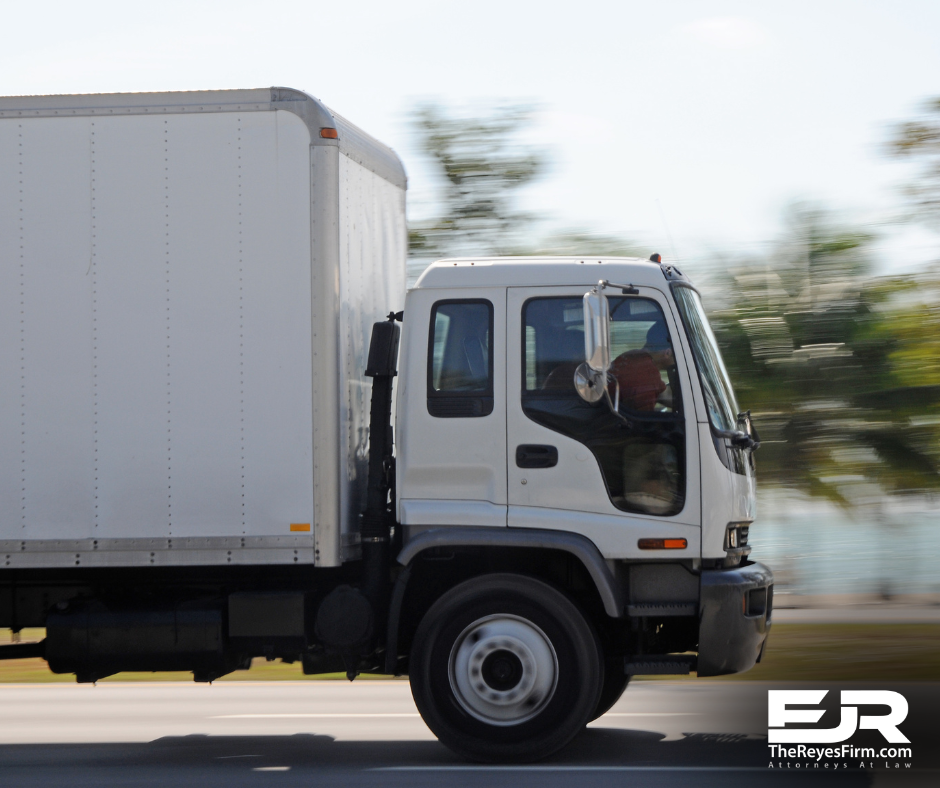
Large commercial delivery truck driving on a Florida highway near Tampa – Amazon vs UPS vs FedEx delivery truck accident claims – The Reyes Firm
Blog, Truck Accidents

Amazon vs. UPS vs. FedEx Truck Crashes: What Tampa Drivers Need to Know About Filing a Claim

You see them every day—Amazon, UPS, and FedEx trucks racing through Tampa’s streets, delivering packages to homes and businesses across Florida. With more people shopping online than ever before, it’s no surprise these delivery trucks are now just as typical as any car on the road. However, when one of these massive vehicles is involved in a crash, the results can be devastating and far more complex than those of a typical car accident. Unlike regular accidents between two drivers, crashes involving major delivery companies can feel like taking on a corporate giant. You’re not just dealing with one insurance company; you’re potentially dealing with national legal teams, third-party contractors, and complex liability issues. That’s especially true if you’re hurt in places like Lakeland, Sarasota, Clearwater, or along I-275 near Tampa or St. Petersburg, where truck traffic is high and accidents are increasing. If you or someone you love was hit by a UPS, FedEx, or Amazon delivery truck in Tampa, you need to know who may be responsible, which insurance applies, and why these claims differ from a normal car accident. At The Reyes Firm, we help injured individuals in Florida navigate these complex cases and fight for the compensation they deserve. Quick Answer: Who can help after a UPS, FedEx, or Amazon delivery truck accident in Tampa? If you were hit by a UPS, FedEx, or Amazon delivery truck in Tampa, a delivery truck accident lawyer can help identify the driver’s employer, the appropriate insurance policy, and any other companies that may be responsible. These claims can involve contractors, commercial insurance, route data, driver logs, GPS records, and corporate claims teams. Why Delivery Truck Accidents Are Different From Typical Car Accidents Crashes involving delivery trucks like Amazon, UPS, or FedEx aren’t just larger in size. They’re also more complex. Here’s why: Multiple Parties Could Be Liable In many personal injury claims, you’re filing against the other driver’s insurance. But with a delivery truck accident, the responsible party could be: The driver A third-party contractor The delivery company (Amazon, UPS, FedEx) A logistics firm A vehicle maintenance provider For example, Amazon frequently uses Delivery Service Partners (DSPs) who operate independently, which Amazon may use to deflect direct responsibility. This is very different from a UPS truck crash in Riverview or Brandon, where the driver is often a direct UPS employee. Commercial Insurance Means Higher Stakes Unlike regular car insurance, commercial policies typically have higher limits, sometimes exceeding $1 million per accident. However, don’t expect these companies to hand over that money easily. Their adjusters are trained to look for ways to deny or reduce your claim. These Companies Have Powerful Legal Teams Whether you’re filing in Sarasota, Orlando, or right here in Tampa, you’re not just going against one driver; you’re going against a company that delivers hundreds of thousands of packages a day and has deep pockets to defend itself. Understanding Amazon Delivery Truck Accident Claims Amazon often doesn’t directly employ its delivery drivers. Instead, it hires smaller companies called Delivery Service Partners (DSPs) to handle local routes. Why That Matters If you’re hit by an Amazon truck in St. Petersburg or Clearwater, your claim may need to go through that third-party delivery company, not Amazon directly. That makes identifying the right insurance policy and the responsible party more difficult. Example: Let’s say an Amazon-branded van on Dale Mabry Highway in Tampa rear-ends you. The driver wears an Amazon shirt, but their paycheck comes from a company called “Speedy Logistics LLC.” In this case, Speedy, not Amazon, might be the defendant in your claim. Who Pays After a UPS Truck Accident in Tampa? UPS typically owns its fleet and employs its drivers directly. This can make the legal process more straightforward for those seeking compensation, because: You can file a claim directly against UPS Liability is clearer when the driver is an employee of the company. There’s likely a single commercial insurance policy involved. If you are searching for a Tampa UPS truck accident lawyer, the key issue is not just the UPS logo. The lawyer needs to confirm who owned the truck, who employed the driver, what route the driver was on, and what commercial insurance applies. UPS also maintains detailed records of driver routes and behavior, which can be requested during the claims process. These can help prove negligence in crashes on major roads, such as US-301 in Lakeland or US-41 in Brandon. 🛑 Did You Know? UPS trucks are subject to federal regulations governing commercial drivers. A truck accident lawyer can request driver logs, GPS data, and training records as evidence to support their case. How Do FedEx Truck Accident Claims Work in Florida? FedEx operates differently depending on the service: FedEx Express drivers are company employees FedEx Ground drivers are independent contractors. If you need help with a FedEx truck accident claim in Tampa, the first step is identifying the FedEx service involved. FedEx Express and FedEx Ground claims may be handled differently because the driver’s work relationship, insurance coverage, and records may not be the same. This split structure affects how you file a claim. If a FedEx Ground driver hit you in Orlando or Sarasota, you might not be able to sue FedEx directly. Instead, your claim could be against the individual contractor or their business. Red Flag: Some FedEx Ground contractors carry only the minimum liability coverage, which might not be enough to cover major injuries. A personal injury attorney may need to identify additional liable parties or policy layers. Common Injuries in Delivery Truck Crashes Due to their size, delivery trucks can cause catastrophic injuries, particularly in high-speed zones such as Interstate 4 (I-4) or Interstate 75 (I-75). Common injuries include: Traumatic brain injuries (TBI) Spinal cord injuries Broken bones and fractures Internal organ damage Wrongful death In many cases, injured drivers are rushed to local trauma centers like Tampa General Hospital or Lakeland Regional Health, where emergency surgery or long-term care may be required. 📊 According to the

Amputation injuries in cement mixer crashes – bandaging an amputated leg after a serious truck accident
Blog, Truck Accidents

Amputation Injuries in Cement Mixer Crashes – Hillsborough County Legal Guide

It only takes a moment for a typical day to turn into a nightmare. Imagine driving down I-275 or waiting at a stoplight on East Hillsborough Avenue, when suddenly a cement mixer truck crashes into your car. The force of the impact crushes the vehicle and, worse, leaves you with injuries so severe that doctors are forced to remove a limb. Sadly, these types of devastating accidents happen more frequently than many people realize. Cement mixer trucks are massive, weigh a lot, and require a long distance to come to a complete stop. When they’re involved in crashes, especially with smaller cars, motorcycles, cyclists, or pedestrians, the injuries are usually life-changing. One of the most serious and permanent injuries is the loss of a limb, also known as an amputation. These injuries can impact every part of a person’s life, from walking and working to caring for their family and enjoying the activities they once loved. This blog is a local guide for people in Hillsborough County, Florida, who have experienced amputation injuries in cement mixer crashes. It explains how these accidents occur, the laws that protect victims, the steps to take, and how The Reyes Firm can assist. Whether you live in Tampa, Brandon, Riverview, or anywhere nearby, this article is here to help you understand your legal rights and options. Why Cement Mixer Crashes Are So Dangerous in Hillsborough County Cement mixer trucks are not like regular cars. They are cumbersome, sometimes weighing over 30,000 pounds when full. Their round barrels rotate to keep cement from hardening, which raises the center of gravity and increases the chance of the truck tipping over. Drivers have large blind spots and require more room to stop, especially in busy areas such as Interstate 4, U.S. Highway 301, or Dale Mabry Highway. In fast-growing places like New Tampa and South Tampa, construction zones are widespread. Cement trucks are frequently on the roads, moving in and out of building sites. Sadly, accidents can happen when a driver isn’t paying attention, speeds through a red light, or tries to turn too quickly. Collisions between these large trucks and smaller vehicles or pedestrians often lead to devastating consequences.  The crushing force of the impact can trap arms or legs, causing such severe damage that doctors have no choice but to remove the limb. What Is an Amputation Injury? An amputation injury is when a person loses a body part, usually an arm, leg, hand, or foot. In truck crashes, this can happen in two ways: Traumatic amputation occurs when a limb is severed at the scene as a direct result of the crash. Surgical amputation: Doctors remove the limb later because it’s too severely damaged, infected, or has lost blood flow. The loss of a limb ranks among the most serious and transformative injuries someone can experience. They often require emergency surgery, hospital stays, physical therapy, and prosthetic limbs. Recovery may take many months and, in some cases, continue for several years. Some people are never able to return to work, drive a car, or live the same way again. Besides the physical pain, there’s also emotional pain. Many people feel sadness, anger, or depression after losing a limb. They may feel embarrassed or isolated and struggle with their new reality. In Florida, personal injury claims must typically be filed within a two-year timeframe. Florida Laws That Affect Your Cement Mixer Crash Claim If you were hurt in a cement mixer crash in Florida, state law gives you the right to file a personal injury claim. But there are deadlines and rules you need to know: Time Limit to File a Case In Florida, you usually have two years to file a personal injury case. This is called the statute of limitations under Florida Statute §95.11(3)(a). If you wait too long, you may lose your opportunity to receive compensation. Shared Fault Rule (Modified Comparative Negligence) As of 2023, Florida follows a rule called modified comparative negligence. This means: If you are more than 50% at fault, you cannot recover money. If you’re found to be less than 50% responsible, you may still receive compensation, but the amount will be reduced according to your level of fault. For example, if you’re found 20% responsible, and your total damages are $100,000, you can still get $80,000. Employer and Truck Company Responsibility Usually, others besides the driver may share liability for the crash. The company that owns the cement truck may also be at fault, especially if: The driver was not trained properly The truck was not maintained. The driver was overworked or violated safety rules. These cases often involve the Federal Motor Carrier Safety Regulations (FMCSR), which govern the operation of commercial trucks. Why You Need a Lawyer Who Specializes in Cement Mixer and Semi-Truck Accidents Not all attorneys treat cement mixer or semi-truck crashes the way they should. These cases are far more complex than regular car accidents and involve unique laws, federal regulations, and detailed investigations. Watch this video to learn why hiring the right truck accident lawyer makes all the difference. At The Reyes Firm, we specialize in serious commercial vehicle crash cases, including amputation injuries in cement mixer crashes throughout Hillsborough County. Call us at 833-4-BAD DAY today for a free case evaluation. What to Do After a Cement Mixer Crash Here’s a simple checklist for what to do after a serious crash involving a cement mixer:  Call 911 Get police and medical help immediately.  Seek medical care Go to a hospital, even if you don’t feel hurt right away. Injuries can show up later.  Take pictures or video. If possible, take photos of your car, the cement truck, the road, and your injuries.  Avoid talking to insurance companies alone. They may try to blame you or offer a small payout.  Talk to a personal injury lawyer. A lawyer can defend your legal rights and help pursue the financial recovery you deserve. Where These Accidents Happen in Hillsborough County Cement mixer accidents

Person in a back brace using a walker during recovery from spinal cord injuries after a jackknife accident.
Blog, Truck Accidents

Spinal Cord Injuries After a Jackknife Accident on the Howard Frankland Bridge

What Tampa Drivers and Families Need to Know If you’ve ever driven across the Howard Frankland Bridge, you know how quickly traffic can go from smooth to chaotic. One moment you’re cruising along I-275, and the next, you’re slamming the brakes as everything comes to a standstill. When a semi-truck jackknifes on a narrow, high-speed bridge like that, the outcome is usually more than just a traffic jam. It can be a life-changing tragedy. At The Reyes Firm, we’ve worked with families who’ve experienced the worst after these types of crashes. And one of the most devastating injuries we see is spinal cord injuries after a jackknife accident. These injuries don’t just affect the body, but also your future, your finances, and your way of life. If this happened to you or someone you care about, let’s walk through what you need to know, your rights, what recovery looks like, and how we can help. What Is a Jackknife Accident? A jackknife accident is exactly what it sounds like. It happens when a truck bends sharply at the point where the cab and trailer connect, causing the trailer to swing sideways and often block several lanes of traffic. These crashes usually happen when the driver brakes too suddenly or loses control of the vehicle. Here’s what typically causes a jackknife: Slippery Roads: Rain, oil, or debris can make tires lose traction. Speeding: Going too fast makes it harder for truck drivers to stop safely. Driver Fatigue: Long hours behind the wheel can lead to poor judgment and slow reflexes. Sudden Braking: Slamming the brakes too hard can cause the trailer to swing out of control. Improper Loading: When the cargo isn’t evenly distributed, it can cause the truck to become unstable and harder to control. Mechanical Problems: Brake failure or worn tires increase the risk of crashes. On narrow roads like the Howard Frankland Bridge, drivers usually have no room to avoid a jackknifing truck. That’s why these accidents can cause such serious injuries, generally leading to catastrophic injuries like those seen in the I-275 truck crash. Why Spinal Cord Injuries Are So Serious in Truck Accidents When a massive 18-wheeler crashes into a passenger vehicle, the force is usually brutal. Your spine isn’t built to absorb that kind of impact. When it’s damaged, the consequences can be permanent. The spinal cord controls your body’s ability to move, feel, and function. An injury to the cord can mean: Loss of movement (paralysis) Loss of feeling (numbness) Loss of bladder or bowel control Chronic pain or weakness Breathing difficulties Even a spinal injury that appears minor at first can take a long time, sometimes months, to fully heal. Others may never fully recover. Sometimes these symptoms are immediate. Other times, they creep in hours or even days later. Either way, a spinal cord injury is a medical emergency and a legal one, too. Watch: Why Truck Accidents Are So Much More Dangerous Than Car Accidents In this brief video, Attorney Edward Reyes explains how trucking accidents pose a significantly higher risk of serious injury due to the size, weight, and legal responsibilities of commercial drivers. These differences are critical when spinal cord trauma or catastrophic injuries are involved. Types of Spinal Cord Injuries After a Jackknife Accident Spinal injuries can vary widely, and how they affect your body depends on both where the injury occurs and how severe it is. We typically see two main types: 1. Complete Injury These are the most severe. A complete injury means you lose all movement and feeling below the point of injury. This can lead to: Paraplegia – paralysis of the legs Quadriplegia – paralysis of all four limbs 2. Incomplete Injury Some signals can still pass between the brain and the body. You may experience limited sensation or movement, and outcomes vary depending on the extent of the damage. Other common injuries we see after truck crashes include: Herniated discs (bulging spinal discs) Fractured vertebrae Nerve damage Spinal stenosis (narrowing of the spine) Whiplash and chronic neck/back pain Whether the injury is complete or incomplete, the effects can be long-lasting, and the medical care is costly. Signs of a Spinal Cord Injury to Watch For After a serious accident, adrenaline can mask pain. Many people walk away from a crash only to realize hours later that something feels “off.” Here are warning signs to take seriously: Numbness or tingling in arms or legs Weakness or difficulty moving. Discomfort or a feeling of pressure may be felt in the back, neck, or along the spine. Trouble breathing Loss of control over bladder or bowel Inability to move or stand Important: Never move someone with a suspected spinal injury unless they are in immediate danger (like from fire or flooding). Always wait for paramedics. Florida Laws That Protect Crash Victims In Florida, your first $10,000 in medical bills are typically covered by your Personal Injury Protection (PIP) insurance, no matter who caused the crash. But spinal cord injuries usually cost far more than that. You may have the right to file a personal injury lawsuit if: You suffered a “serious injury” under Florida Statute § 627.737 Another driver (like the trucker) caused the accident through negligence. The injury led to lasting harm, long-term disability, or a fatal outcome. You file your claim within 2 years of the accident date (as of 2023) Trucking companies and their insurers may try to avoid paying full compensation. That’s why it’s helpful to work with a truck accident lawyer who understands both Florida law and how to handle trucking accidents effectively. What To Do After a Jackknife Crash on the Howard Frankland Bridge Here’s a simple step-by-step list to protect your health and legal rights: Call 911 – Ensure that police and emergency responders arrive promptly. Do Not Move Injured People – Let the pros handle it. Seek Medical Attention Right Away – Even if you don’t notice any symptoms. Take Photos and Videos – Document the scene,

Blog, Truck Accidents

Fiery Crash at I-275 Near I-4: What Tampa Drivers Should Know After a Semi-Truck Accident

Drivers heading through I-275 near I-4 in Tampa faced a frightening scene the afternoon of August 27, 2025. A semi-truck caught fire on the ramp, sending thick smoke into the air and shutting down one of the busiest junctions in the city. While thankfully no one was hurt, this fiery semi crash in Tampa caused significant delays, raised safety concerns, and left many wondering what to do in a similar situation. The I-275/I-4 interchange serves as a vital route for commuters, truckers, and tourists traveling through the area on a daily basis. It connects downtown Tampa to areas like Ybor City and East Hillsborough County. When an accident occurs here, especially one involving a large truck, the impact is severe. Drivers face not only traffic disruptions but also potential danger and confusion about their rights. If you or a loved one were affected by a semi-truck crash near I-4, this guide breaks down what happened, who may be responsible under Florida law, and what to do next. Keep reading to protect yourself and your family in case you’re ever caught in a similar crash. What Happened During the Fiery Truck Fire on I-275 in Tampa? On Wednesday afternoon, August 27, 2025, a significant accident forced the closure of a section of I-275 near I-4 in Tampa when a semi-truck caught fire on the overpass. According to the Florida Highway Patrol, the truck had been heading westbound on I-4 when the 61-year-old Texas driver suffered a medical emergency while approaching the downtown exit for Ashley Street. The semi-truck lost control and crashed into a concrete barrier and guardrail. After the truck came to a stop on the overpass above I-275, it burst into flames. Flames and thick black smoke filled the air as Tampa Fire Rescue worked to contain the blaze. The semi was reported to be empty at the time, but diesel fuel spilled onto the highway below, creating additional hazards. Because of the fire and the potential structural damage to the overpass, both northbound and southbound lanes of I-275 were shut down for several hours. Emergency crews stayed at the scene overnight to handle the wreckage, inspect the overpass for damage, and safely clean up the spilled fuel. The lanes were reopened after 11:00 p.m. once the area was cleared. The truck driver was transported to the hospital in stable condition, and no other injuries were reported. Still, this fiery semi crash in Tampa caused significant delays and highlighted the dangers posed by large trucks traveling through high-speed, high-traffic interchanges like I-275 and I-4. Who Is Liable for a Semi-Truck Crash Near I-4? Figuring out who is responsible for a truck accident in Florida can be complex. The party responsible could be the driver, their employer, or even a manufacturer. Let’s take a closer look at who might be at fault in a semi-truck crash near I-4. 1. Truck Driver If the driver was speeding, using a phone, or not paying attention, they can be held responsible for the crash. Florida law requires drivers to exercise care and avoid putting others in danger (Section 316.1925). Texting while driving is also prohibited in Florida. 2. Trucking Company Sometimes, the company that owns the truck is also responsible. If the driver was on the job at the time of the crash, the company may also be held liable. In Florida, trucking companies are required to follow special safety rules established by the federal government. These rules say companies must: Hire qualified drivers Follow safe schedules so drivers aren’t too tired. Keep trucks in good condition with regular checkups and repairs If a company skips safety checks, forces drivers to work excessively long hours, or hires someone who is not adequately trained, it could be found negligent. Florida also requires additional liability insurance for commercial motor vehicles based on weight class (for heavier trucks, up to $300,000 per occurrence). There’s a special rule in Florida that limits how much a regular car owner can be blamed if someone else crashes their car. But this rule doesn’t usually apply to big trucking companies. 3. Repair or Maintenance Providers If poor maintenance caused the fire, a third-party shop may be liable. The FMCSRs require systematic inspection, repair, and maintenance of commercial motor vehicles; Florida enforces these duties through §316.302. 4. Truck or Parts Manufacturer If the crash was due to a defective part, such as a fuel system or tire blowout, the manufacturer might be liable under Florida’s product liability laws. Truck fires can often result from faulty wiring, tire explosions, or fuel system defects. Because there are many possible causes, victims of a truck crash on I-275 near I-4 in Tampa should consult with an experienced truck accident attorney who can investigate the whole picture and pursue all responsible parties. Why Truck Accidents at I-275 and I-4 Are So Dangerous The intersection of I-275 and I-4 is one of the most heavily traveled and complicated highway interchanges in Tampa. High speeds, constant merging, and narrow ramps make it a hotspot for traffic accidents, especially involving large commercial vehicles. A fiery semi crash in Tampa, like the one that occurred, can create life-threatening conditions in seconds. In this case, flames and thick smoke not only endangered the driver but also the thousands of motorists nearby. Situations like these can lead to: Secondary accidents from sudden braking or reduced visibility Burns or smoke inhalation for nearby drivers Property damage to surrounding vehicles and road infrastructure Significant economic losses due to traffic delays and clean-up While no one was hurt this time, the risk of more serious consequences remains high, especially in areas with a high concentration of trucks, such as the vicinity of I-275 near I-4. Know Your Rights After a Truck Accident in Tampa Florida is a no-fault state, meaning your own insurance (through PIP coverage) pays for medical expenses up to a specific limit. However, suppose you suffer catastrophic injuries after a semi-truck crash or experience serious, permanent harm. In that case,

Blog, Commercial Vehicles, Truck Accidents

Manslaughter Charges After Florida Truck Crash: What Grieving Families Should Know

The heartbreaking semi-truck crash on Florida’s Turnpike has taken an even more serious turn. A truck driver is now facing manslaughter charges after allegedly making an illegal U-turn that led to the deaths of three innocent people. What started as a traffic incident has turned into a serious criminal case, and families affected by the crash are left with more questions than answers. If you’re a loved one of someone hurt or killed in a truck crash like this, you may wonder: What does a Florida truck crash manslaughter charge mean? Can the families still sue for wrongful death? And how do criminal charges impact a civil lawsuit? This blog will break it down so grieving families across Florida can understand their rights, take action, and begin the path toward justice. What Happened in the Florida Turnpike Crash? In August 2025, Harjinder Singh, a 28-year-old semi-truck driver, attempted an illegal U-turn on the Florida Turnpike in St. Lucie County. A minivan traveling on the highway crashed into the trailer of his truck, killing all three passengers inside. Instead of staying in the area, Singh returned to California not long after the collision. The Florida Department of Highway Safety and Motor Vehicles (FLHSMV) issued an arrest warrant for Singh, charging him with three counts of vehicular homicide. Lt. Gov. Jay Collins, recently appointed in Florida, traveled to California to support efforts to return Singh to Florida. Singh is now in custody at the St. Lucie County Jail, where he is being held on an ICE detainer due to his immigration status. During his court appearance in the 19th Judicial Circuit, Judge Lauren Sweet denied him bond, labeling him a flight risk. In addition to vehicular homicide, Singh now faces three counts of manslaughter, with each charge potentially carrying up to 30 years in prison. The crash has brought national attention, but it’s the families of the victims who are left to pick up the pieces. Watch: Tampa Attorney Reacts to Fatal Truck Crash on Florida’s Turnpike Tampa personal injury attorney Edward Reyes shares a heartfelt reaction to the tragic semi-truck crash in St. Lucie County that claimed three lives. He discusses the higher duty truck drivers have on Florida roads, the devastating impact on the families left behind, and the importance of holding negligent drivers fully accountable. Crash Location: Florida’s Turnpike, St. Lucie County Below is the map showing where the fatal semi-truck crash occurred on Florida’s Turnpike near Fort Pierce: Criminal Case vs. Civil Lawsuit: What’s the Difference? When someone dies in a truck crash, two different types of legal cases may follow: Criminal Case: The State of Florida files charges (like manslaughter). The objective is to impose legal consequences on the driver, including incarceration, financial penalties, or probation. The case is handled by the state prosecutor, not the family. Even if convicted, the family doesn’t receive compensation. Civil Lawsuit: A lawsuit is filed by the family targeting the driver or the company involved. The goal is to recover money for funeral costs, lost income, and emotional pain. Filing a civil claim can happen alongside the criminal proceedings. A civil case can still hold the driver responsible, even if there’s no criminal conviction. So while a criminal case holds the driver accountable to the state, a civil lawsuit is how families seek justice and financial recovery for their own losses. What Does Manslaughter Mean in a Truck Crash? In Florida, vehicular manslaughter happens when a person causes someone’s death through reckless driving, even if they didn’t mean to harm anyone. Under Florida Statute § 782.07, this is a second-degree felony, punishable by up to 15 years in prison per death. Examples of reckless behavior include: Making illegal U-turns (as Singh is accused of) Speeding or aggressive driving Driving while distracted or sleepy Violating trucking safety rules In this case, Singh’s decision to make an illegal U-turn on a major highway may be seen as reckless enough to support a manslaughter charge. But for families, criminal charges don’t go far enough unless they also pursue a civil case. Florida Laws That Affect a Truck Crash Claim Who Can File a Wrongful Death Lawsuit? Florida law, specifically § 768.19, allows close family members to sue if someone dies due to negligence. This includes: Spouses Children Parents The representative of the estate (if one exists) How Long Do You Have to File? Florida’s statute of limitations gives families 2 years from the date of death to file a wrongful death claim. You could lose your right to take legal action after that point. What Can You Recover? Funeral and burial expenses Medical bills before death Loss of income and future financial support Emotional pain and suffering Loss of companionship or parental guidance A skilled personal injury attorney can calculate what your family may be owed and ensure no detail is missed. What to Do After a Fatal Truck Accident Losing a loved one is overwhelming. However, following these steps can safeguard your legal rights. Immediately After the Crash: Call 911 and request medical and police help Accept medical care if anyone is hurt. Get the names of officers and a copy of the crash report. Gather Evidence: If it’s safe to do so, document the scene with photos and videos. Talk to witnesses and get their contact info. Jot down everything you remember while it’s still fresh. Don’t Talk to the Insurance Company: Remember, the trucking company’s insurance team is looking out for their interests, not yours. Don’t give a recorded statement or accept a quick payout. Always speak to a truck accident attorney first Contact a Personal Injury Lawyer: They’ll launch an independent investigation Preserve critical evidence (black box data, driver logs) File your case within the deadline. Handle the insurance company for you. Why These Crashes Happen on Florida Roads Florida sees more truck traffic than most states, especially along routes like: Florida’s Turnpike I-75 I-275 US-1 and US-98 Thousands of trucks pass through Fort Pierce, Tampa, and Orlando every

Injured man with bandages and neck brace meeting a lawyer after catastrophic injuries from a semi-truck crash – The Reyes Firm, Tampa.
Blog, Truck Accidents

Catastrophic Injuries After a Semi-Truck Crash on I-275 in Tampa – What Victims Should Do

Every day, thousands of cars and semi-trucks share the busy lanes of Interstate 275 in Tampa. For most drivers, the commute is routine—get on the highway, fight through traffic, and get to work or home. But for some, one moment on the road changes everything. When a semi-truck weighing up to 80,000 pounds collides with a passenger car, the results are usually devastating. Families may suddenly find themselves dealing with catastrophic injuries after a semi-truck crash, injuries so severe that they affect every part of life. Victims are left with questions: How will I recover? Who pays my medical bills? What are my rights under Florida law? These are not simple fender-benders where insurance paperwork fixes the problem. Instead, semi-truck crashes often lead to brain damage, paralysis, or even wrongful death. And in a city like Tampa—where I-275 is one of the busiest highways in Florida—truck accidents are not uncommon. This article will explain what catastrophic injuries are, why crashes on I-275 are so dangerous, the laws that apply in Florida, and what victims should do to protect themselves. It will also share how The Reyes Firm, located in Tampa, helps families get the justice and compensation they deserve after such life-altering accidents. What Are Catastrophic Injuries? A catastrophic injury causes long-term or permanent damage. They are not minor sprains or bruises that heal with rest. Instead, these injuries usually mean a victim cannot return to the life they once had. Medical care may be required for years, and independence may be lost. Common severe injuries caused by semi-truck collisions include: Traumatic Brain Injuries (TBI): These can cause memory loss, difficulty concentrating, mood swings, or permanent disability. Even a mild TBI can affect a victim’s ability to work or study. Spinal Cord Injuries: Damage to the spinal cord usually leads to partial or complete paralysis. Victims may need wheelchairs, in-home care, and lifelong rehabilitation. Amputations and Crush Injuries: In high-impact crashes, victims may lose limbs or suffer crushing injuries when trapped inside a vehicle. Severe Burns: Semi-truck crashes sometimes cause explosions or fuel fires, leaving victims with disfiguring burns and the need for multiple surgeries. Internal Organ Damage: Injuries to the liver, kidneys, lungs, or other organs may not be evident at first but can be fatal without immediate treatment. In legal cases, catastrophic injuries are defined by their long-term effects. They impact a victim’s quality of life, ability to work, and ability to care for themselves. For families, this usually means financial hardship and emotional stress that lasts for years. Why I-275 in Tampa Is So Dangerous Interstate 275 cuts directly through Tampa, connecting downtown, the airport, and the surrounding neighborhoods. With its heavy mix of commuters, tourists, and commercial trucks, the highway is one of the busiest and most accident-prone roads in the region. Here’s a look at I-275 in Tampa, one of Florida’s busiest and most dangerous trucking routes. Several factors make I-275 especially dangerous for semi-truck crashes: Congested Traffic: During rush hour, cars and trucks compete for space. Lane changes happen quickly, and semi-trucks cannot stop as fast as smaller vehicles. Driver Fatigue: Long-haul truckers often spend long hours behind the wheel with limited rest. Federal law sets strict Hours of Service (HOS) rules to prevent fatigue-related crashes, including limits on daily driving time and required rest breaks (FMCSA Hours of Service). Unfortunately, studies show that violations of these rules remain common, and tired truck drivers continue to pose a danger on highways like I-275. Distracted or Impaired Driving: A single glance at a phone or a driver under the influence can trigger a chain-reaction crash. Overloaded or Poorly Maintained Trucks: A truck carrying too much cargo or one with faulty brakes or tires creates extreme risks. Construction Zones: I-275 frequently has roadwork, which narrows lanes and increases the chance of a deadly collision. For Tampa residents, this means that driving on I-275 comes with risks beyond their control. When accidents happen, the results are rarely minor. Florida Laws That Affect Semi-Truck Crash Claims Victims of catastrophic injuries after a semi-truck crash must understand the Florida laws that shape their case. Trucking accidents are not handled the same way as minor car accidents. Statute of Limitations In most cases, Florida allows two years from the accident to take legal action for personal injuries, as outlined in Statute §95.11. Missing this deadline means losing the right to pursue compensation. Modified Comparative Negligence Florida follows a modified comparative negligence system. This means victims can still recover money if they share some blame, but only if they are less than 50% at fault. So if a victim is 20% at fault, their compensation would be reduced by 20%. Commercial Liability In many semi-truck accidents, more than one party may be held responsible—unlike most car crashes. The truck driver. The trucking company. The cargo loading company. Maintenance providers. Even the shipping broker. Each of these entities may be held accountable if negligence is proven. Florida’s No-Fault Insurance Rules In Florida, all drivers must carry Personal Injury Protection (PIP) insurance, which provides up to $10,000 for medical costs. However, PIP falls far short in cases involving catastrophic injuries. That’s why pursuing a personal injury claim against the trucking company and others is essential. What You Should Do Following a Truck Crash in Tampa Knowing what to do after a semi-truck crash can save lives and strengthen a legal case. After a crash, it’s important for victims and their families to take these steps: 1. Call 911 and Seek Medical Help Immediately Even if injuries seem minor, hidden conditions like brain trauma or internal bleeding may not appear right away. Getting checked at a hospital is critical. 2. Document the Accident Scene If possible, take photos of the vehicles, the truck’s license plate, skid marks, and traffic signals. Save any dashcam or cellphone footage. 3. Collect Witness Information Independent witnesses can provide valuable testimony later. Names, phone numbers, and even quick statements are helpful. 4. Avoid Speaking With the Trucking Company’s

Blog, Truck Accidents

Bradenton Man’s Car Totaled After Semi-Truck Hit-and-Run in North Fort Myers – Know Your Rights

A Bradenton Man Survived a Semi-Truck Hit-and-Run—But His SUV Was Destroyed In the early morning hours of August 19, 2025, a Bradenton man was driving northbound on I-75 in North Fort Myers when a semi-truck moved out from the shoulder and struck his SUV. According to WFLA News, the crash happened near Bayshore Road around 1:30 a.m. The SUV was totaled, and the truck sped off without stopping. The Florida Highway Patrol is still investigating. The truck driver has not been identified. If you’re ever in a situation like this, working with a North Fort Myers truck accident lawyer can make all the difference in protecting your rights and securing compensation. Florida Laws That Affect Your Truck Accident Claim Leaving the Scene Is a Criminal Offense Florida law is clear. It’s illegal to flee after a crash, even if there are no injuries. When someone is hurt, it becomes a felony. (See: § 316.061, § 316.027) You Have 2 Years to File a Personal Injury Claim Florida’s statute of limitations for injury claims is now 2 years from the date of the crash. (§ 95.11) A North Fort Myers truck accident lawyer can make sure deadlines aren’t missed and evidence doesn’t get lost. Uninsured Motorist (UM) Coverage Can Help If the at-fault driver can’t be identified, you might still be covered under your Uninsured Motorist (UM) insurance. This can help pay for: Vehicle damage or total loss Hospital bills Lost wages Pain and suffering But UM coverage must be added to your policy before the crash. What to Do After a Truck Hit-and-Run in Florida If you’re ever in a situation like this one, here’s what to do right away: Call 911 – Make sure the crash is documented and help is on the way Get medical attention – Even minor pain can be serious Take photos – Vehicle damage, debris, skid marks, the road, traffic signs Write down details – Time, truck description, direction of travel Look for cameras – Traffic cams, nearby businesses, or doorbell cameras Don’t speak to the insurance company without legal help Call a truck accident lawyer immediately Why North Fort Myers and I-75 Are High-Risk for Truck Accidents This crash happened on Interstate 75 near Bayshore Road in North Fort Myers (ZIP 33917)—a central corridor for freight trucks. According to FLHSMV crash data, Lee County reported over 15,000 motor vehicle crashes, including commercial truck crashes, in 2023. Early-morning hours and high speeds make this stretch of highway especially dangerous. Where This Crash Happened This hit-and-run occurred on I-75 near Bayshore Road in North Fort Myers (ZIP 33917)—a busy corridor for freight traffic. 📍 Map shows accident location: I-75 & Bayshore Road, North Fort Myers (ZIP 33917). The Reyes Firm serves clients in Lee County and across Florida. Why These Cases Are More Complicated Than You Think Truck hit-and-runs involve more than just a missing driver. Here’s what makes them complex: The driver may work for a company or not be an independent operator There may be multiple liable parties (driver, carrier, broker, maintenance company) The truck’s black box (EDR) and logs must be preserved quickly. Your insurer may delay or deny your claim unless you push legally That’s where The Reyes Firm steps in. We act quickly to preserve evidence, coordinate with investigators, and protect your rights—even if the driver is never found. How The Reyes Firm Can Help We’ve helped hundreds of accident victims across Florida—including in North Fort Myers, Fort Myers, Bradenton, and Lee County—get back on their feet. When you work with us, we will: Investigate the crash thoroughly Send preservation letters to secure critical evidence Navigate UM or UIM claims Handle all communication with insurers Help you get medical care and compensation Call (813) 686-7515 Frequently Asked Questions Q: What if the driver is never caught? You may still be able to file a UM claim through your insurance. Q: What kind of compensation can I receive? You can recover costs for vehicle damage, medical treatment, time off work, and pain and suffering. Q: Can the trucking company be held liable? If we can identify the truck, we can investigate the carrier’s responsibility. Q: What does it cost to hire The Reyes Firm? We work on a contingency fee basis—you don’t pay unless we win. Contact The Reyes Firm – Your North Fort Myers Truck Accident Lawyer If you or a loved one was involved in a crash like the Bradenton man’s semi-truck hit-and-run, don’t try to handle it alone. We’re serving clients across North Fort Myers (ZIP 33917), Fort Myers, Bradenton, and Lee County. Call (813) 686-7515 or dial 833-4 BAD DAY Consultations available in English and Spanish No fee unless we win

Scroll to Top