Car accident

Car Accident Injuries
Accident Injuries & why, After A Car Accident, After an Accident, Car accident, FAQ, Injury, Legal, Spanish, Teen Accidents, Why we serve

Las Lesiones de Accidente Automovilístico Más Comunes:

Las Lesiones de Accidente Automovilístico Más Comunes: Las estadísticas del Consejo Nacional de Seguridad muestran que hay al menos 27,000 accidentes automovilísticos por año, que dejan a millones de conductores y pasajeros heridos o discapacitados. Estas son las lesiones más comunes de un accidente automovilístico: Lesiones traumáticas del cerebro: Esta es la lesión es la más común proveniente de un accidente automovilístico y la más devastadora. Esto es cuando la cabeza sufre un golpe violento y puede implicar hematomas, sangrado o hinchazón del cerebro. Lesiones del cuello: Esto puede ser causado por el latigazo cervical y la tensión del cuello a problemas más serios, es decir, dislocación cervical y lesión del disco. Lesiones de la médula espinal: Esto implica fragmentos de hueso desplazados, material del disco o ligamentos que se magullan o se desgarran en el tejido de la médula espinal. Estos tipos de lesiones pueden causar la pérdida permanente de sensibilidad y ciertas funciones corporales. Lesiones en la espalda baja: Las lesiones en la parte baja de la espalda pueden causar dolor crónico y movilidad limitada. Estas lesiones incluyen esguinces, distensiones, discos herniados y vértebras fracturadas. Lesiones torácicas: Esto se ha reducido considerablemente debido a la colocación estándar de las bolsas de aire en los tableros y el volante, pero las lesiones en el pecho siguen siendo comunes. Las cuales incluyen costillas rotas, esternón (hueso de la pechuga) y pulmones perforados. Ruptura del diafragma: Una ruptura del diafragma significa que hay una ruptura del músculo en la parte inferior de la caja torácica. Esto sucede debido a un traumatismo contuso o penetrante en la parte inferior del tórax. Esto puede interferir con su respiración y cortar el suministro de sangre a los órganos. Lesiones faciales: Las lesiones faciales pueden ser causadas por el impacto con el volante, el tablero de instrumentos, la bolsa de aire, el parabrisas, la ventana lateral, los asientos del automóvil o el vidrio roto. Esto puede variar desde rasguños menores hasta laceraciones más profundas en la mandíbula y lesiones oculares. Heridas internas: Todos sus órganos corren el riesgo de sufrir daños graves en un accidente automovilístico, y algunos pueden poner en peligro la vida. Lesiones psicológicas: No todas las lesiones son físicas y se pueden ver. Estas lesiones pueden incluir angustia emocional, ansiedad, depresión y trastorno de estrés postraumático (TEPT). Lo que puede tener efectos a largo plazo en cada parte de tu vida. Es horrible saber que el error humano representa al menos el 90% de estos accidentes que se pueden prevenir. Si se lastima en un accidente automovilístico, busque atención médica. Luego, llame a mi oficina para que pueda hablar con un experto en accidentes automovilísticos para que pueda obtener la compensación financiera que merece. Póngase en contacto con la firma Reyes al 813-421-3411 Estamos aquí para usted 24/7 y tenemos la experiencia para proteger sus intereses y conseguirle la recuperación que merece. Llámanos hoy y, sobre todo, quédate seguro en las carreteras.

Accident Injuries
Accident Injuries & why, After A Car Accident, After an Accident, Car accident, FAQ, Injury, Legal, Teen Accidents, Why does this hurt

THE MOST COMMON AUTO ACCIDENT INJURIES:

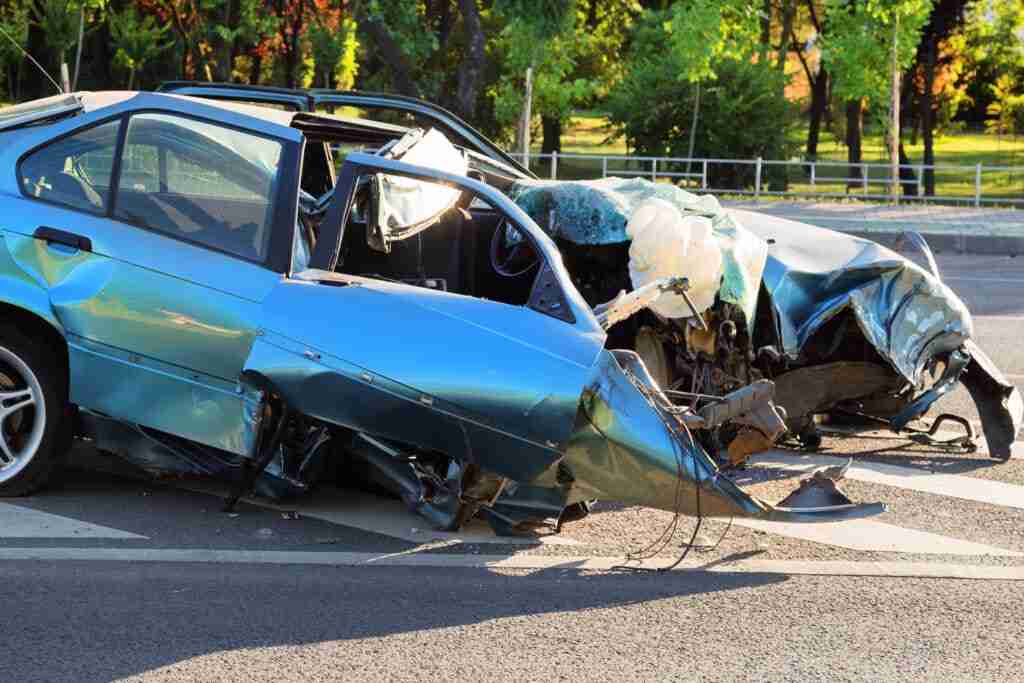
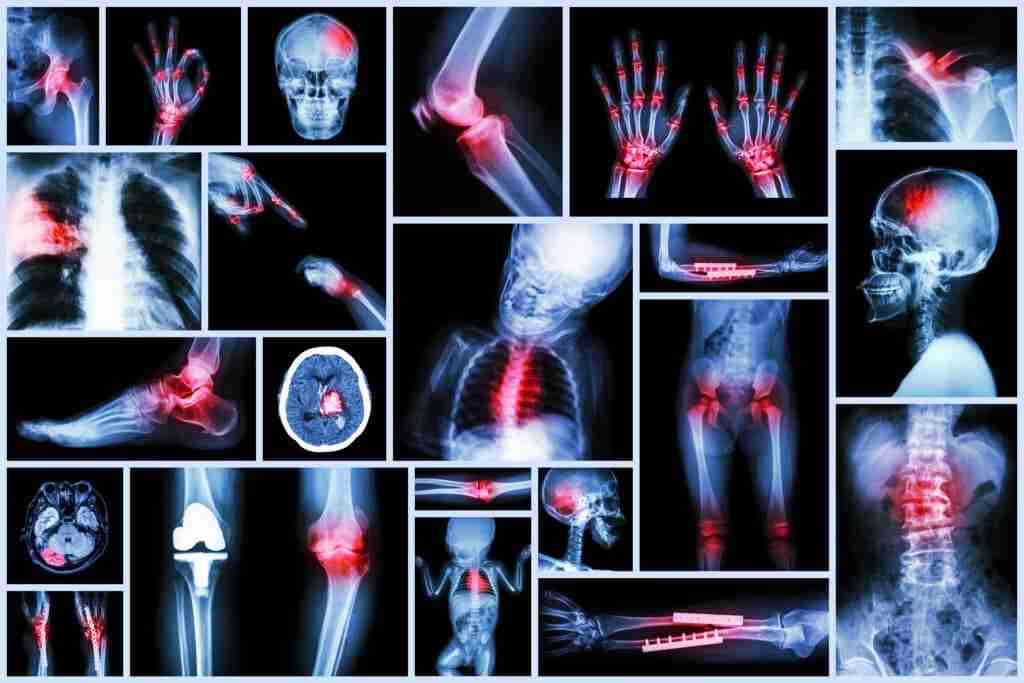
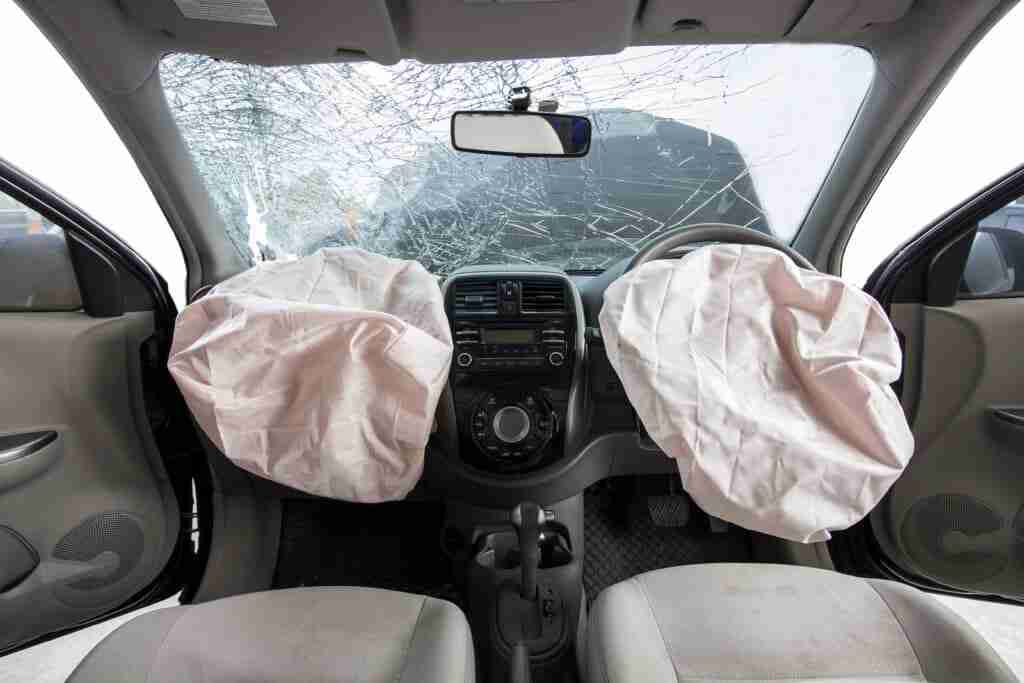
THE MOST COMMON AUTO ACCIDENT INJURIES: Statistics from the National Safety Council show that there’s at least 27,000 car crashes per year, which leave millions of drivers and passengers injured or disabled.  These are the most common injures from a car accident: Traumatic Brian Injuries:  This is the most common injury to come from an auto accident and most devastating. This is when the head suffers a violent hit and can involve bruising, bleeding or swelling of the brain.  Neck Injuries: This can be caused by whiplash and neck strain to more serious issues, i.e. cervical dislocation and disk injury.  Spinal Cord Injuries: This involves displaced bone fragments, disc material or ligaments bruising ot tearing into spinal cord tissue. These types of injuries can cause permanent loss of feeling and certain body functions.  Lower Back Injuries:  Lower back injuries can cause chronic pain and limited mobility. These injuries include sprains, strains, herniated discs and fractured vertebrae. Chest injuries:  This has been greatly reduced because of the standard placement of airbags in dashboards and steering wheel but chest injuries still remain common. Which include broken ribs, sternum (breast bone) and punctured lungs. Diaphragm rupture:  A diaphragm rupture means that there is a tear of the muscle across the bottom of the rib cage. This happens because of blunt or penetrating trauma to the lower chest. This can interfere with your breathing and cut off blood supply to organs. Facial injuries:  Facial injuries can be caused by impact with the steering wheel, dashboard, airbag, windshield, side window, car seats or shattered glass. This can vary from minor scratches to deeper lacerations to the jaw, and eye injuries. Internal injuries: All of your organs are at risk of serious damage in a car accident, and some life-threatening. Psychological injuries:  Not all injures are physical and can be seen. These injuries can include emotional distress, anxiety, depression and post traumatic stress disorder (PTSD). Which can have long-term effects on every part of your life. It’s horrible to know that human error accounts for at least 90% of these accidents that are preventable. If you get hurt in an auto accident seek medical attention. Then call my office so you can speak to an auto accident expert so you can get the financial compensation you deserve.  Contact The Reyes Firm at 813-421-3411 We are here for you 24/7 and have the experience to protect your interests and get you the recovery you deserve. Call us today – and above all be safe on the roads!

Accident Expenses?
After A Car Accident, After an Accident, Car accident, FAQ, Legal, Teen Accidents, Why we serve

TOP FIVE AUTO ACCIDENT EXPENSES:

TOP FIVE AUTO ACCIDENT EXPENSES: The after cost associated with a car accident can really add up, even it’s just a fender bender. According to a recent study by the National Highway Traffic Safety Administration by the time you reach the age of 80 you likely will be in involved in three to four separate accident. Each one of those accidents will bring a big range of financial cost.  Here are the top cost you might run into after an accident: Increase of your insurance premium: This depends on the severity of the accident and who is at fault. You could be paying double of what you are now after making just one claim.  Auto repairs: No matter what type of coverage you have, you may be likely to pay a deductible.  Car Rental: While your car is getting repaired you’re going to need to get to work, school, and any other of your obligations. If the other party is at fault, their insurance may cover a car rental reimbursement up to a certain amount. Like before, depending on your policy, your insurance provider may than pick up the rest of your tab for your rental, but there could be caps.  Medical Expenses: Florida is a no-fault state, which means that your Personal Injury Protection coverage should cover majority of your medical expenses. There are limits. Personal Injury Protection covers 80% of medical expenses up to $10,000 and 60% of lost wages. The difference is your responsibility. Payoff of your auto loan: If your vehicle is totaled, your insurance company will pay out its actual cash value, which could be less than what you still owe on your vehicle. You will still be responsible for paying the balance of your insurance payout and the total due.  To get a fair compensation for related cost after an auto accident call me an auto accident expert! Contact The Reyes Firm at 813-421-3411 We are here for you 24/7 and have the experience to protect your interests and get you the recovery you deserve. Call us today – and above all be safe on the roads!

¿Estás en un accidente auto?
After A Car Accident, After an Accident, Car accident, FAQ, Injury, Legal, Spanish, Teen Accidents, Why we serve

¿QUÉ HAGO DESPUÉS DE MI ACCIDENTE? ¡SIGA ESTOS 5 PASOS FÁCILES!

¿QUÉ HAGO DESPUÉS DE MI ACCIDENTE? ¡SIGA ESTOS 5 PASOS FÁCILES! Llame al 911 Las lesiones graves son comunes en los accidentes de auto. Llame al 911 pase lo que pase. No asistir a otros a menos que sea necesario. Intercambio de Información Consigue nombres y números de todos en la escena. Si es posible obtener la placa de los coches implicados y el número de licencia de conducir. Obtener Fotos Para ayudar a su memoria más adelante, intente obtener la mayor cantidad posible de fotos del daño que se ha hecho. También tome fotos de la iluminación y el clima, la escena en su conjunto. Llame a su Compañía De Seguros Presente una reclamación a su seguro lo antes posible para evitar problemas innecesarios más adelante. ¡Llámame! Al contactarme, podremos discutir en detalle su caso de lesión. ¡Las consultas son GRATIS! ¡No hay obligaciones! Aprenda sobre sus derechos con un experto antes de perder la oportunidad de preservarlos. Póngase en contacto con la firma Reyes al 813-421-3411 Estamos aquí para usted 24/7 y tenemos la experiencia para proteger sus intereses y conseguirle la recuperación que merece. Llámanos hoy y, sobre todo, quédate seguro en las carreteras.

Car accident?
After A Car Accident, After an Accident, Blog, Car accident, FAQ, Legal, Migraines, Motorcycles, Personal Injury, Teen Accidents, TMJ, Traumatic injury, Why does this hurt

WHAT DO I DO AFTER MY ACCIDENT? FOLLOW THESE 5 EASY STEPS!

WHAT DO I DO AFTER MY ACCIDENT? FOLLOW THESE 5 EASY STEPS! Call 911 Serious injuries are common in auto accidents. Call 911 no matter what. Do not assist others unless necessary.  Exchange Information Get names and numbers of everyone at the scene. If possible get the plate of the cars involve and the driver’s license number.  Get Photos To help your memory later on try to get as many photos as possible of the damage that has been done. Also take photos of the lighting and weather, the scene as a whole.  Call Your Insurance Company File a claim with your insurance as soon as you can to avoid needless problems later on. CALL ME! By contacting me we will be able to discuss your injury case in depth. Consultations are FREE! No obligations! Learn about your rights with an expert before you lose the chance to preserve them. Contact The Reyes Firm at 813-421-3411 We are here for you 24/7 and have the experience to protect your interests and get you the recovery you deserve. Call us today – and above all be safe on the roads!

Gemini_Generated_Image_sbovvgsbovvgsbov
Accident Injuries & why, After an Accident, Car accident, FAQ, Legal, Uninsured Motorist Coverage, Why we serve

Do I need to pay the 20% of my auto insurance coverage?

You were just in a car accident in Tampa — and now your doctor’s office is telling you that your PIP coverage only paid 80% of your medical bills. The other 20% is sitting on your kitchen table, and you have no idea who’s supposed to pay it. Here’s what Florida law actually says about that gap, and what your options are. TL;DR — QUICK SUMMARY Florida’s Personal Injury Protection (PIP) insurance covers 80% of reasonable and necessary medical expenses up to the $10,000 policy limit — leaving a 20% gap you may owe out of pocket unless other coverage applies. If another driver caused your accident, their bodily injury liability (BIL) coverage — or a lawsuit against them — can cover the 20% gap and any costs beyond your PIP limit. Your health insurance may cover the unpaid 20%, but coordination of benefits rules and subrogation rights can complicate how that works. Under Florida Statute § 95.11(3)(a), you have two years from the date of your crash to file a personal injury lawsuit to recover that gap and all other damages from an at-fault driver. Medical providers cannot legally balance-bill you for amounts above the PIP fee schedule unless you signed an assignment of benefits or a separate agreement — knowing this can protect you from improper bills. The Reyes Firm Confused About Your PIP Bills After a Tampa Crash? Get clear answers about the 20% gap and who should really be paying it. Had a bad day? Contact Us Now $10,000 Florida minimum PIP coverage limit Fla. Stat. § 627.736 80% PIP pays of covered medical bills Fla. Stat. § 627.736(1)(a) 2 Years Florida personal injury statute of limitations Fla. Stat. § 95.11(3)(a) $0 Cost to consult The Reyes Firm Contingency fee — no recovery, no fee What is Florida’s PIP 20% gap and do you have to pay it? Florida’s Personal Injury Protection law requires that your auto insurance cover 80% of reasonable and necessary medical expenses — and only 80%. That 20% remainder is what people call the “PIP gap.” Whether you personally owe it depends on several factors: who caused the accident, what other insurance you carry, and what agreements you signed with your medical provider. Florida is a no-fault state, which means after a car accident, your own PIP coverage pays first — regardless of who was at fault. Under Florida Statute § 627.736, every Florida driver must carry at least $10,000 in PIP coverage, and that coverage pays 80% of covered medical costs and 60% of lost wages. The 20% gap on medical bills is built into the statute itself — it’s not a billing error and it’s not optional. The question is who ends up responsible for covering it. If the accident was someone else’s fault, you may have a legal claim against the at-fault driver that covers the 20% gap, all medical costs beyond your $10,000 PIP limit, lost income, pain and suffering, and more. That’s where a Tampa personal injury attorney can make a real difference. ⚠️ Deadline Warning: Under Florida Statute § 95.11(3)(a), you have two years from the date of your crash to file a personal injury lawsuit against the at-fault driver. If you’ve been carrying the 20% gap yourself and another driver was responsible, waiting too long could permanently close the door on recovery. Call a lawyer before that deadline passes. How does Florida PIP insurance actually work after a car accident? Florida PIP works by paying directly to your medical providers — not to you — based on a statutory fee schedule. When you receive treatment after an accident, your provider bills your PIP insurer. The insurer pays 80% of the allowable amount under the fee schedule. The remaining 20% is either written off by the provider, covered by your health insurance, or billed to you depending on what agreements are in place. There are a few important things to understand about how PIP processes your bills: The fee schedule controls what’s “reasonable.” Florida PIP doesn’t simply pay 80% of whatever a provider charges. It pays 80% of the amount set by the Medicare fee schedule or 200% of Medicare — whichever applies to the provider. If a provider charges more than the schedule allows, PIP will not cover the excess, and the provider generally cannot bill you for the difference under Florida law. Emergency vs. non-emergency treatment matters. Under Fla. Stat. § 627.736, if your injury is classified as an emergency medical condition (EMC), you can access the full $10,000 PIP limit. If your treating provider does not certify an EMC, your accessible PIP benefit is capped at $2,500. This is one of the most misunderstood and financially damaging aspects of Florida PIP. You must seek treatment within 14 days. Florida law requires that you seek initial medical treatment within 14 days of the accident to be eligible to use your PIP benefits at all. Missing this window means losing your PIP coverage entirely — regardless of how serious your injuries are. Watch: Do You Pay 20% After a Car Accident?  Who pays the 20% PIP gap — you, your health insurer, or the at-fault driver? The answer depends on your specific situation, and there’s no single rule that applies to every accident victim. The 20% gap can be absorbed in several different ways. Option 1 — The at-fault driver’s bodily injury liability coverage. If another driver caused your accident, their liability insurance may cover your 20% co-pay, all medical expenses above your $10,000 PIP limit, lost wages not covered by PIP, and pain and suffering damages. Florida does not require drivers to carry bodily injury liability (BIL) insurance, but many drivers do carry it — and if they do, it’s often the best source of recovery for your gap costs. Option 2 — Your health insurance. If you have private health insurance, an employer plan, Medicare, or Medicaid, your health insurer may pick up the 20% co-pay after PIP pays its 80%.

Should I call my auto insurance
Accident Injuries & why, After A Car Accident, After an Accident, Car accident, Injury, Legal, Uninsured Motorist Coverage, Why we serve

Should I call my auto insurance if it is not my fault?

You were just going about your day. Then someone rear-ended you at a red light. It clearly wasn’t your fault, so calling your own insurance company feels backwards, maybe even risky. In Florida, though, that phone call is one of the most important things you can do, and here’s why. TL;DR — QUICK SUMMARY Yes, you should call your own auto insurer even when the crash wasn’t your fault, because Florida is a no-fault state. Your Personal Injury Protection (PIP) coverage pays the first portion of your medical bills regardless of who caused the accident. You must seek medical treatment within 14 days of the crash, or you can lose your PIP benefits entirely. Reporting an accident you didn’t cause should not raise your rates, and most policies require you to report promptly anyway. Under Florida Statute 95.11(3)(a), you generally have two years to file an injury lawsuit, but the deadlines that bite first are your insurer’s reporting and treatment windows. The Reyes Firm Hurt in a Tampa Crash That Wasn’t Your Fault? Get clear next steps and protect your PIP benefits. Had a bad day? Contact Us Now 14 Days Deadline to seek care for PIP benefits Fla. Stat. 627.736 $10,000 Florida minimum PIP coverage Fla. Stat. 627.736 2 Years Florida injury filing deadline Fla. Stat. 95.11(3)(a) $0 Upfront cost with a contingency fee firm The Reyes Firm Should you call your own auto insurance if the accident wasn’t your fault? Yes. In Florida, you should report the crash to your own insurer even when another driver clearly caused it. That feels counterintuitive, but it comes down to one fact: Florida is a no-fault auto insurance state. Your own policy is designed to step in first, no matter who was to blame. Reporting promptly does two things. It opens your Personal Injury Protection (PIP) benefits so your medical bills start getting paid, and it satisfies the notice requirement built into nearly every auto policy. Wait too long, and you risk both your benefits and a dispute with your own company over late reporting. At The Reyes Firm, a Tampa personal injury law firm, the most common mistake we see after a not-at-fault crash isn’t saying too much. It’s saying nothing at all to the one insurer that’s actually obligated to help you first. ⚠️ Deadline Warning: Under Florida Statute § 95.11(3)(a), you generally have two years from the date of your crash to file a personal injury lawsuit. But your PIP coverage requires medical treatment within 14 days, so the clock that runs out first is usually the one on your benefits. Don’t wait. What is Florida’s no-fault system and how does PIP work? Florida’s no-fault system means that after most car accidents, your own insurance pays your initial medical expenses and lost wages, regardless of who caused the crash. The coverage that does this is Personal Injury Protection, and every Florida auto policy is required to carry it. Under Florida Statute § 627.736, PIP provides a minimum of $10,000 in coverage and typically pays 80% of reasonable medical bills and 60% of lost wages, up to that limit. It applies whether you were rear-ended, sideswiped, or hit by a driver who ran a stop sign. The trade-off for this quick, fault-free coverage is that PIP comes with strict rules, and the strictest is the deadline to get care. Because PIP has a cap, it often isn’t enough to cover a serious injury. When your damages exceed your PIP limits, you may be able to pursue the at-fault driver for the rest, which is where the no-fault system ends and a liability claim begins. 💡 Did You Know? Florida’s 14-day rule is one of the most important deadlines after a crash. Under Fla. Stat. § 627.736, you must receive initial medical care within 14 days of the accident to be eligible for PIP benefits at all. Miss that window and your own insurer can deny the entire claim, even if your injuries are real and serious. Source: Fla. Stat. § 627.736. Watch: Should I Call My Auto Insurance If It’s Not My Fault? This short video explains why Florida drivers need to report a crash to their own insurer even when someone else caused it, and how the no-fault system shapes what happens next. If you’re unsure what to say to either insurance company, The Reyes Firm offers free consultations, so you can call 833-4 BAD DAY before you make the call. Will calling my own insurer raise my rates or count against me? This is the fear that keeps people from making the call, and it’s largely unfounded for a crash you didn’t cause. Filing a PIP claim after a not-at-fault accident is exactly what the coverage exists for, and insurers are limited in how they can treat policyholders who report accidents that weren’t their fault. What can actually hurt you is the opposite choice. Failing to report can violate your policy’s notice requirement, give your insurer a reason to question the claim later, and leave your medical bills unpaid while the 14-day window closes. The downside of calling is small. The downside of staying quiet can cost you your benefits. If an adjuster, yours or the other driver’s, starts asking for a recorded statement or pressing for details, that’s a different matter. You can decline to give a recorded statement until you’ve spoken with a lawyer. Do I still deal with the at-fault driver’s insurance company? Often, yes, but carefully. Your PIP covers the first layer of your expenses. When your injuries are serious enough to exceed those limits, a claim against the at-fault driver’s insurer is how you pursue the rest, including the portion of medical bills PIP didn’t pay, full lost wages, and pain and suffering. That second insurer has no duty to look out for you, and its adjuster is working to pay as little as possible. In a serious or catastrophic crash, the difference between handling that claim alone and having a

After an Accident, Car accident, FAQ, Spanish, Why we serve

Las brechas en el tratamiento pueden dañar su caso y su salud

Sabemos que tiene dolor, sabe que tiene dolor, pero la compañía de seguros no. Sólo saben de lo que está en el papel. Si tiene brechas de registro en el tratamiento, asumirán que se siente bien. Claramente, si estamos afirmando que usted tiene un dolor continuo y necesita un tratamiento futuro, esto no ayudará a su caso. Si tiene alguna pregunta sobre esto, llame a nuestra oficina al 813-421-3411.

Accident Injuries & why, After an Accident, Car accident, FAQ, Spanish, Why we serve

Se enviaron cartas de representación

Enviamos nuestras cartas representativas. Por favor, no hable con la compañía de seguros de la otra persona. ¿Qué significa esto? La carta de representación es la carta que notifica a su seguro y a la otra compañía de seguros que está siendo representado después de un accidente. Después de que la compañía de seguros reciba la carta, no necesita hablar con la compañía de seguros que tiene la culpa. Puede que tenga que hablar con el suyo, pero aún puede estar bajo nuestra representación. Si tiene alguna pregunta sobre esto, llame a nuestra oficina al 813-421-3411. Mira el video de abajo para más detalles.

Accident Injuries & why, After an Accident, Car accident, Spanish

Enviamos tu demanda

Su demanda de liquidación se acaba de completar y está lista para ser revisada por nuestro equipo de control de calidad. Nuestro equipo de control de calidad revisará su demanda en los próximos 5 días, antes de enviarla a la compañía de seguros. ¿Qué significa esto? La carta de solicitud ocurre generalmente después de que se haya completado todo el tratamiento, se hayan recibido todos los registros médicos y libros de contabilidad. Cada caso puede variar, el enlace del video a continuación explica más sobre las variaciones comunes. Si tiene alguna pregunta, llame a nuestra oficina al 813-421-3411.

Scroll to Top