Company Car Accident Guide: Reporting, Insurance, and Next Steps
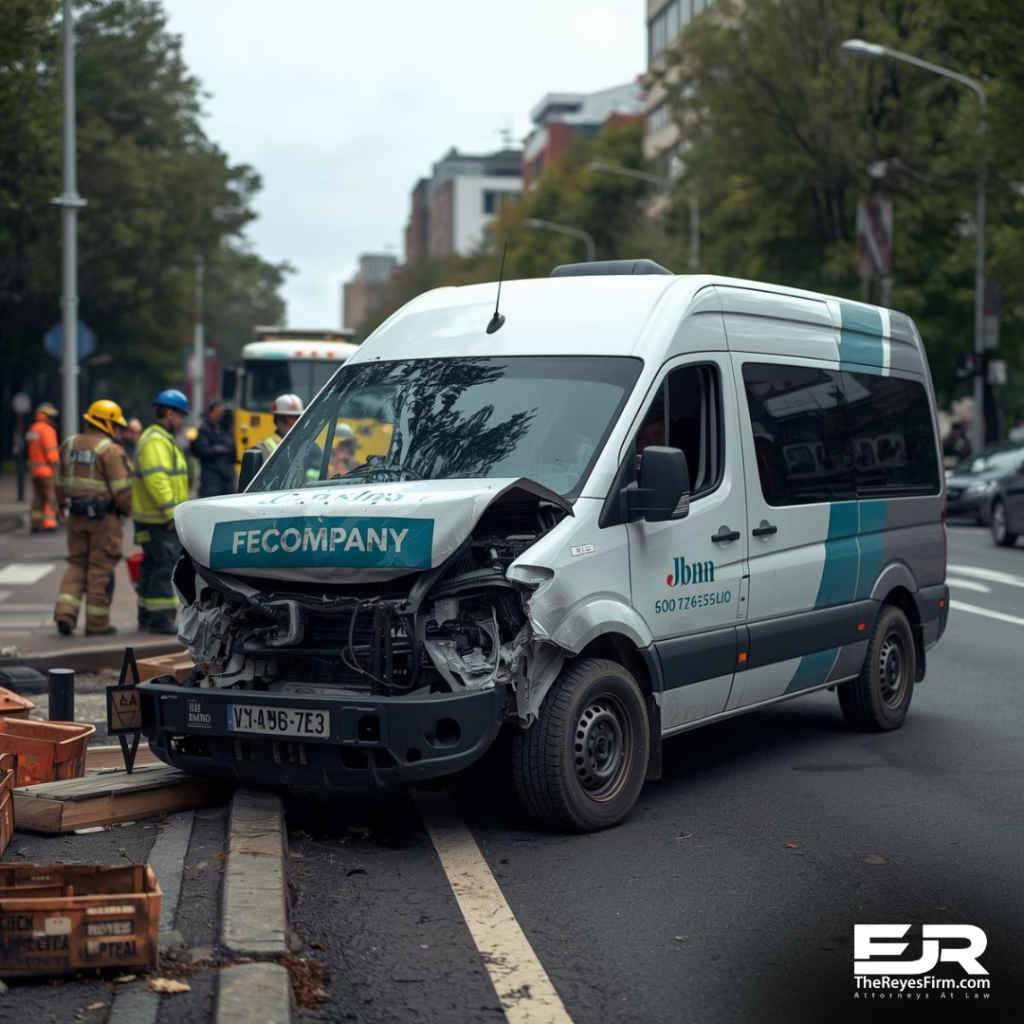
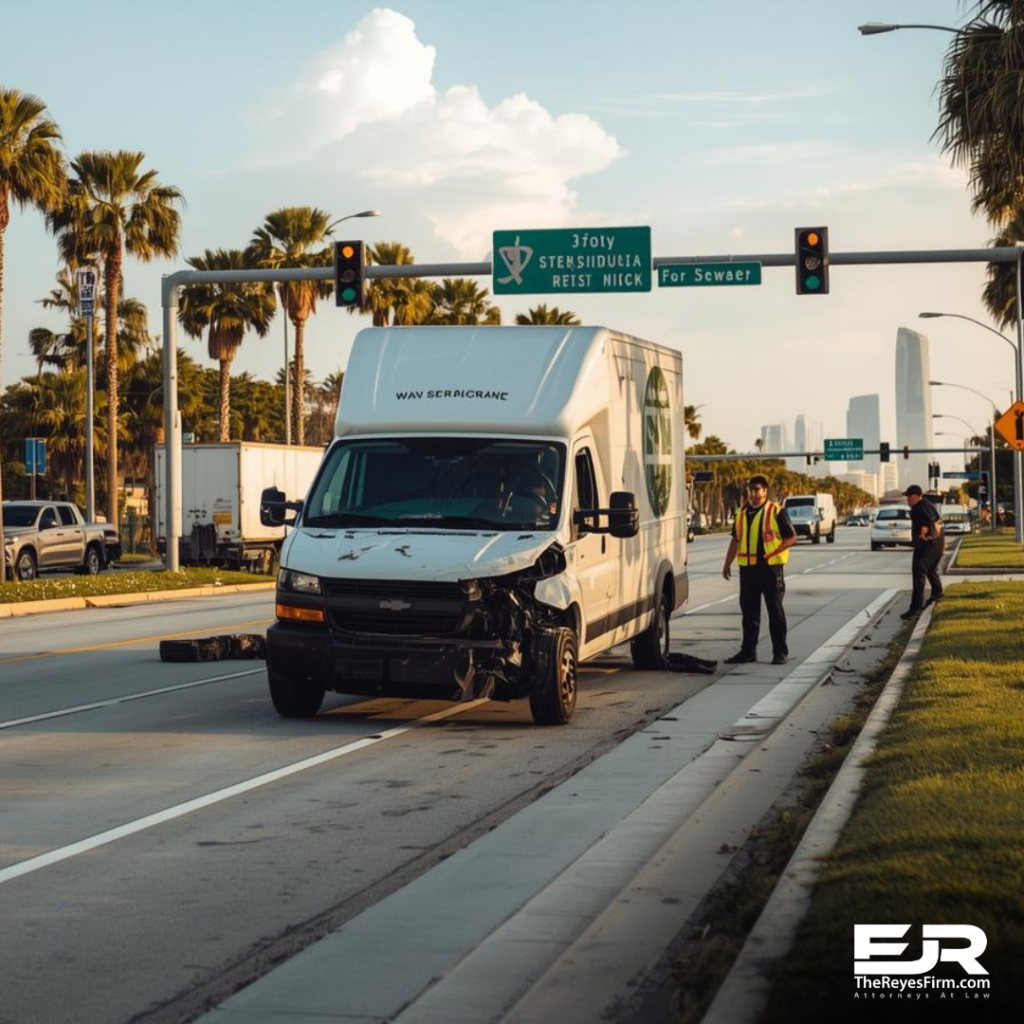
A company car accident can change an ordinary workday into a legal and financial challenge within seconds. One moment, a project supervisor is driving to a construction site, or an engineer is heading to an inspection. The next, vehicles are damaged, injuries are possible, and uncertainty takes over. Unlike personal car crashes, these accidents raise questions that go beyond just who hit whom. For industries tied to construction, development, and infrastructure, company vehicles are essential. Trucks transport materials, vans carry tools, and fleet cars move professionals between job sites, meetings, and inspections. When a company car accident happens, it can disrupt projects, delay timelines, and expose businesses and individuals to serious liability. This guide is written from the perspective of a Florida personal injury lawyer at The Reyes Firm, a plaintiff-focused law firm offering compassionate, client-centered representation. It explains what happens after a company car accident, how reporting and insurance work, and what injured individuals should do next—using clear language, practical examples, and insights tailored to professionals involved in building, design, and engineering. What Is a Company Car Accident? A company car accident occurs when a vehicle owned, leased, or controlled by a business is involved in a collision. These vehicles are typically used for work-related purposes and may include: Construction trucks and utility vehicles Company vans transporting equipment or crews Fleet cars assigned to supervisors, architects, or engineers Government or municipal vehicles used for inspections or public works What separates a company car accident from a personal crash is the connection to work duties. If the driver was performing job-related tasks at the time of the accident, the employer may share responsibility under Florida law. In Florida, where construction, real estate development, and infrastructure projects are constantly underway, these accidents are especially common. Busy roadways, job-site traffic, tight schedules, and heavy equipment increase the risk for serious crashes involving company vehicles. Why Company Car Accidents Are More Complicated Company car accidents are legally complex because they often involve multiple parties and insurance policies. Instead of just two drivers, there may be: The employee driving the company vehicle The employer or business owner A subcontractor or third-party vendor A government entity Multiple insurance carriers Florida law recognizes a concept called vicarious liability, which means an employer can be held responsible for the actions of an employee if the employee was acting within the scope of their job. For example, if a construction manager causes a crash while traveling between job sites, the company may be legally liable for the injuries and damages. These cases also involve higher financial stakes. Company insurance policies usually have higher limits than personal auto policies, which makes insurance companies more aggressive in defending claims. Step One: Ensure Safety and Call for Help The first priority after a company car accident is safety. Regardless of deadlines or project pressures, protecting lives always comes first. The driver should: Move vehicles out of traffic if it is safe to do so Turn on hazard lights Call 911 immediately Emergency responders can assess injuries and secure the scene. Even injuries that seem minor—like neck pain or dizziness—should be checked. Many serious injuries, including head trauma and internal injuries, do not show symptoms right away. For construction and engineering professionals, this step is also important for documentation. Emergency response records often become key evidence later. Step Two: Report the Accident Properly Reporting to Law Enforcement In Florida, accidents involving injuries, fatalities, or significant property damage must be reported to law enforcement. The responding officer will create a police report that includes: Statements from drivers and witnesses A description of vehicle damage The officer’s observations This report plays a major role in insurance claims and legal cases involving a company car accident. Reporting to the Employer or Agency Employees driving company vehicles are usually required to report accidents to their employer right away. Many construction firms, engineering companies, and government agencies have formal accident-reporting procedures. This report should include: Date, time, and location of the accident Purpose of the trip (job site visit, inspection, delivery) Photos of vehicles, road conditions, and surroundings Names of witnesses Prompt reporting helps preserve insurance coverage and protects both the employee and the business. Step Three: Understand Company Car Insurance Coverage Insurance coverage is one of the most confusing aspects of a company car accident, especially for injured third parties. Commercial Auto Insurance Most businesses carry commercial auto insurance, which typically provides broader coverage than personal policies. These policies may cover: Medical expenses Lost wages Vehicle repair or replacement Pain and suffering For injured victims, this can mean access to higher compensation—but only if liability is properly established. Primary and Secondary Coverage In many cases, the company’s insurance is primary, meaning it pays first. A personal auto policy may apply only after company coverage is exhausted. Insurance companies often try to argue that: The driver was not acting within job duties The trip was “personal” rather than work-related These arguments are common and require strong legal evidence to counter. Step Four: Determine Who Is Liable Determining liability in a company car accident requires a detailed review of facts. Important questions include: Was the driver on the clock or performing work duties? Who owned or controlled the vehicle? Were company policies followed? Did poor scheduling, training, or vehicle maintenance play a role? For example, if an employer failed to maintain brakes on a company truck, liability may extend beyond the driver to the company itself. This is especially relevant for: Property developers overseeing multiple contractors Government agencies managing fleet vehicles Engineering firms responsible for site travel Identifying all responsible parties is key to maximizing compensation. Step Five: Seek Medical Care and Document Everything Medical care should never be delayed after a company car accident. Florida law places strict requirements on timely treatment, especially for insurance benefits. Injured individuals should: Follow all medical advice Keep copies of medical records and bills Document symptoms and recovery progress For professionals in construction and engineering, injuries can limit physical movement,