personal injury attorney

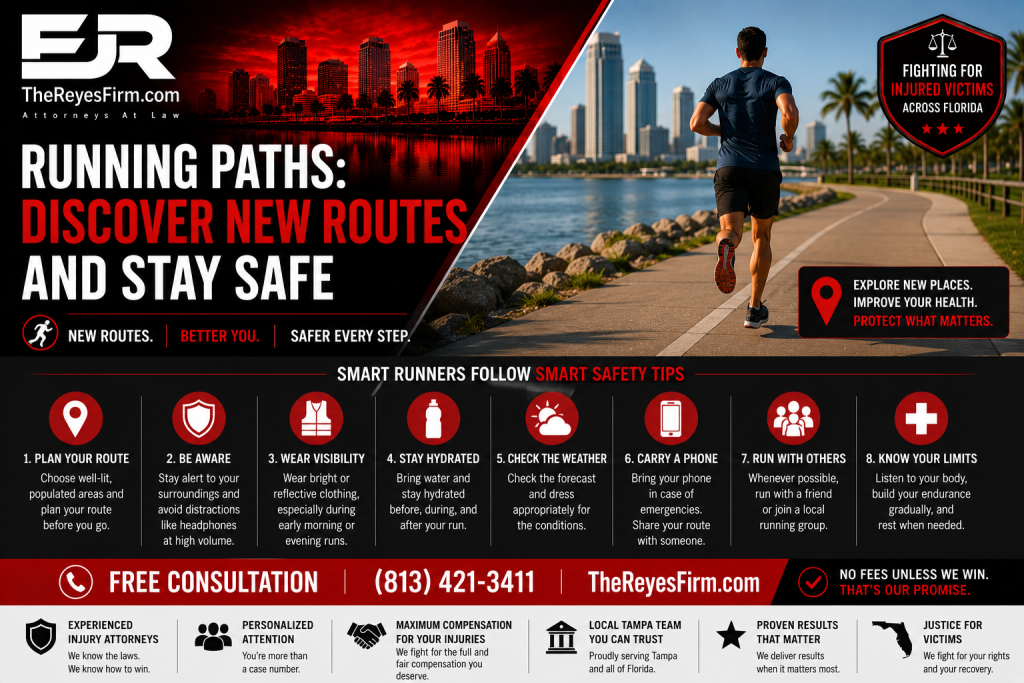
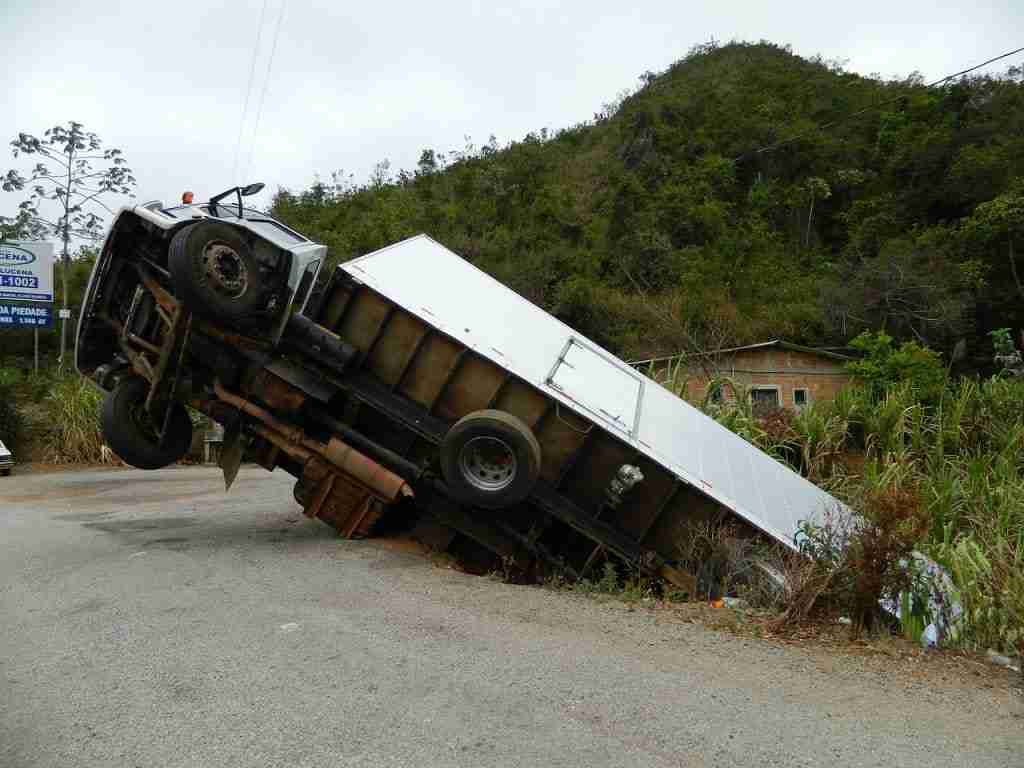
truck accidents | dump truck accident
Accident Injuries & why, After an Accident, Blog, FAQ, florida cities we serve, Legal, personal injury attorney, Truck Accidents, Why we serve

Common Truck Accident Injuries: Understanding the Most Frequent Types of Truck Accident Injuries

Truck accidents represent a significant concern on our roadways, often resulting in severe injuries for the victims involved. Understanding the common truck accident injuries is essential for those involved in a truck accident, as it can influence the course of their recovery and any potential legal action. This article delves into the statistics, causes, and types of injuries associated with truck crashes, providing insight into the risks and consequences of these incidents. Overview of Truck Accidents Truck accidents are among the most devastating incidents in motor vehicle collisions. These crashes often involve large trucks, leading to catastrophic outcomes due to their massive size and weight. The injuries caused by truck accidents frequently extend beyond mere physical harm; they can also result in emotional and financial strain for the victims. Understanding the dynamics of truck accidents helps shed light on the common injuries that victims may face. Statistics on Truck Accidents The statistics surrounding truck accidents paint a grim picture of their prevalence and impact. According to recent data, thousands of truck accidents occur annually, often leading to severe injuries such as spinal cord injuries, brain injuries, and neck injuries. These statistics reveal that victims of truck accidents frequently sustain common injuries that can alter their lives forever. Furthermore, the involvement of large trucks in these accidents contributes significantly to the severity of injuries suffered during a crash. Common Causes of Truck Accidents Understanding the common causes of truck accidents is vital for preventing future incidents. Key factors include driver fatigue, improper vehicle maintenance, and adverse weather conditions. When truck drivers are involved in hazardous situations, the likelihood of a crash increases significantly. These accidents often lead to severe injuries, ranging from back injuries to traumatic brain injuries. Addressing these causes can help mitigate the risks associated with truck accidents and potentially reduce the number of victims impacted by severe injuries. The Role of Large Trucks in Accidents Large trucks play a crucial role in road safety and accident statistics. Due to their size and weight, the impact of a truck crash can be far more severe than that of a standard vehicle. This can result in injuries that may include internal injuries and other types of truck accident injuries that are often life-altering. A truck accident attorney may assist victims in navigating their injury cases, ensuring they receive the compensation necessary to cover medical expenses stemming from these common injuries. Types of Truck Accident Injuries Injuries Caused by Truck Accidents The injuries caused by truck accidents can be severe and life-altering. Victims involved in a truck crash often face a range of injuries, including spinal cord injuries, traumatic brain injuries, and various internal injuries. Large trucks, due to their immense size and weight, increase the likelihood of severe injuries in accidents. The impact of a truck collision can lead to catastrophic outcomes, underscoring the importance of understanding the different types of truck accident injuries that may occur following such incidents. Common Injuries Sustained in a Truck Accident Common injuries sustained in a truck accident often include neck, back, and head injuries, all of which can significantly affect a victim’s quality of life. These injuries may require extensive medical treatment and rehabilitation, resulting in substantial financial burdens for the injured. Victims of truck accidents may also experience emotional trauma alongside their physical injuries, making comprehensive recovery challenging. Understanding these common truck accident injuries is crucial for those navigating personal injury claims or seeking assistance from an experienced truck accident attorney. Long-Term Effects of Truck Accident Injuries The long-term effects of truck accident injuries can be profound and far-reaching. Injuries such as spinal cord injuries and traumatic brain injuries often lead to chronic pain, mobility limitations, and ongoing medical needs. Victims may find themselves unable to return to work or engage in daily activities, leading to emotional distress and financial instability. Consulting with a truck accident lawyer can help victims assess the impact of their injuries and pursue compensation for the long-term consequences of their truck accident case, ensuring they receive the support necessary for recovery. Legal Considerations Following a Truck Accident When to Consult a Truck Accident Lawyer After experiencing a truck accident, victims may find themselves overwhelmed by the aftermath, which includes managing injuries and dealing with insurance claims. Consulting with a truck accident lawyer can determine the best course of action. If the injuries sustained are severe, such as spinal cord injuries or traumatic brain injuries, it is advisable to seek legal representation promptly. An experienced truck accident attorney can help navigate the complexities of personal injury laws and ensure that victims receive the compensation they deserve for their injuries. Understanding Your Injury Case Understanding the specifics of your injury case following a truck accident is vital for pursuing justice. Each case can vary significantly based on the types of truck accident injuries incurred and the circumstances surrounding the crash. Victims should document their injuries, medical treatments, and any emotional distress experienced. This information can be instrumental in building a solid case. Furthermore, a personal injury lawyer specializing in truck accident cases can provide valuable insights on presenting your case effectively, increasing the likelihood of a favorable outcome. Compensation for Injuries in a Truck Accident Compensation for injuries resulting from truck accidents can cover various expenses, including medical bills, lost wages, and pain and suffering. The extent of compensation typically correlates with the severity of the injuries involved, such as back or internal injuries, and their long-term impact on the victim’s life. Victims should work closely with their truck accident attorneys to ensure all potential damages are considered and that they receive fair compensation for their truck accident case, addressing immediate and future needs. Preventing Truck Accidents Safety Measures for Truck Drivers Implementing effective safety measures for truck drivers is essential in reducing the frequency of truck accidents. Comprehensive training programs focusing on defensive driving, fatigue management, and vehicle maintenance can significantly enhance road safety. Additionally, regular inspections of large trucks can prevent mechanical failures that often lead
Pedestrian safety stay alert, stay visible
Blog, FAQ, florida cities we serve, Injury, Legal, Our Community, Pedestrian Accident, personal injury attorney, Why we serve

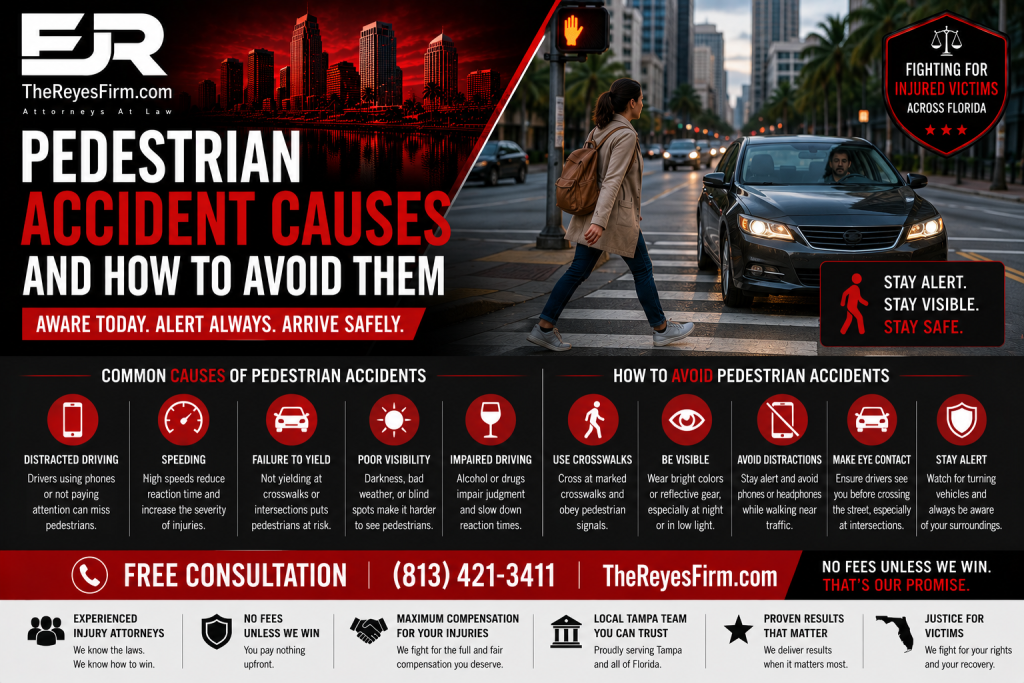
Pedestrian Accident Causes and How to Avoid Them

A walk across the street shouldn’t be dangerous, but for pedestrians, a single distracted or speeding driver can cause devastating harm. If a careless driver hit you or someone you love, you have rights, and Florida law is on the side of the injured. Here is what causes these crashes, how to stay safe, and what to do if a pedestrian accident turns your life upside down. The Reyes Firm Hit by a Car While Walking in Tampa? Get an advocate who fights for injured pedestrians. Had a bad day? Contact Us Now 10,013 Florida pedestrian crashes, 2022 FLHSMV 765 Florida pedestrian deaths, 2022 FLHSMV 2 Years Deadline to file an injury claim Fla. Stat. § 95.11(3)(a) 50% Fault share that bars recovery Fla. Stat. § 768.81 Pedestrians are among the most vulnerable people on the road, with none of the protection a vehicle provides. When a driver is careless, the consequences fall almost entirely on the person on foot. Understanding why these crashes happen, how Florida law protects pedestrians, and what to do afterward can make all the difference for your safety and your recovery. Can you sue a driver after a pedestrian accident in Florida? Yes, if a driver’s negligence caused your injuries, Florida law allows you to pursue compensation. Pedestrians have the right to use roads and crosswalks safely, and a driver who is distracted, speeding, impaired, or fails to yield can be held responsible for the harm they cause. A claim can cover the full cost of that harm, from medical bills to lost income and pain and suffering. Florida’s insurance rules add an important wrinkle. If you own a vehicle with Personal Injury Protection, that coverage may pay some of your medical bills even though you were on foot, on top of a claim against the at-fault driver. Sorting out every available source of compensation is one of the most valuable things a lawyer does after a pedestrian crash. ⚠️ Deadline Warning: Under Florida Statute § 95.11(3)(a), you generally have two years from the date of your crash to file a personal injury lawsuit. Missing this deadline almost always means losing your right to recover anything. Don’t wait to call a lawyer. What are the most common causes of pedestrian accidents? Most pedestrian accidents trace back to a driver’s mistake, and identifying the cause often points directly to who is at fault. The most common causes include: Distracted driving. Drivers on their phones or otherwise distracted are far more likely to miss a pedestrian in a crosswalk or at an intersection. Speeding. Higher speeds reduce a driver’s reaction time and make any collision far more severe, especially in neighborhoods and urban centers. Poor road design and visibility. Inadequate lighting, faded crosswalks, and obstructed sightlines make it harder for drivers and pedestrians to see one another. Impaired driving. Alcohol and drugs impair judgment, coordination, and reaction time, dramatically raising the risk to pedestrians. Failure to yield. Under Florida law, drivers must yield to pedestrians in crosswalks under Florida Statute § 316.130, and ignoring that duty, especially when turning left across a crosswalk, is a frequent cause of crashes. 💡 Did You Know? Florida law requires drivers to yield the right-of-way to pedestrians crossing within a crosswalk. A driver who fails to yield and strikes a pedestrian is typically at fault for the crash, and that failure can be strong evidence of negligence in your claim. Source: Fla. Stat. § 316.130. What injuries do pedestrian accidents cause? Because a pedestrian has no protection against the force of a vehicle, the injuries are often severe or life-threatening. Head trauma is among the most serious, and a traumatic brain injury can lead to lasting cognitive damage, coma, or death. A spinal cord injury can cause partial or complete paralysis, and broken bones, internal bleeding, and organ damage are common as well. When a crash causes life-altering harm, the case may rise to the level of a catastrophic injury claim, which carries higher stakes and demands careful documentation of long-term care needs. Even lower-speed collisions can leave a pedestrian with cuts, bruises, and soft-tissue injuries that require real treatment. Who is at fault, and what if you were partly to blame? Fault in a pedestrian accident usually rests with the driver, but Florida looks at the conduct of everyone involved. If you were partly at fault, perhaps by crossing outside a crosswalk, you may still recover, just with your compensation reduced by your share of responsibility. Insurers know this and often try to pin as much blame on the pedestrian as possible to lower what they pay. Florida law also requires a driver who hits a pedestrian to stop, render aid, and exchange information. A driver who flees the scene commits a hit-and-run under Florida Statute § 316.027. If you were struck by a hit-and-run or uninsured driver, your own uninsured motorist coverage may become an important source of compensation. 🛡️ Your Rights Under Florida Law: Under Florida Statute § 768.81, your compensation is reduced by your share of fault, and you may be barred from recovery if you are found greater than 50% responsible. Insurers routinely try to blame injured pedestrians, and an experienced Tampa pedestrian accident lawyer works to protect the facts and keep your assigned fault as low as the evidence allows. What damages can you recover after a pedestrian accident? A successful pedestrian accident claim can compensate you for the full range of losses the crash caused. These commonly include medical expenses for past and future treatment, surgery, medication, and therapy, along with lost wages and reduced earning capacity while you cannot work. You can also recover for pain and suffering, the physical and emotional toll of the injury, and for property damage to belongings like a phone or glasses. When a pedestrian crash is fatal, surviving family members may pursue a wrongful death claim for their losses, including loss of support and companionship and funeral expenses. The value of any claim depends on the

After an Accident, Blog, florida cities we serve, Injury, Legal, Motorcycle Education, Motorcycles, Our Community, personal injury attorney, Why we serve

What to Do After a Motorcycle Accident: Essential Tips from Legal Experts

Motorcycle accidents are an unfortunate reality of life on the road. While the exciting thrill of riding is unmatched, the risks can sometimes outweigh the rewarding experience. When an accident happens, knowing what to do after a motorcycle accident is essential to safeguarding your well-being, legal rights, and financial security.  In this guide, we’ll explain the critical steps to take immediately following a crash and how a motorcycle accident lawyer can provide invaluable support in navigating the challenges of such incidents. Let’s get straight to the point. Immediate Actions: What to do After a Motorcycle Accident? Prioritize Safety Your priority after a motorcycle accident should always be ensuring your safety. Practicing motorcycle accident safety begins with moving to a secure location, away from traffic and any potential hazards. While this may seem obvious, it can be challenging to remember in the shock of the moment. Take a breath and focus—your safety is the most critical factor. Stay Calm and Assess the Situation Feeling overwhelmed after an accident is natural, but staying calm can make all the difference. Take a moment to assess your surroundings, your injuries, and the condition of anyone else involved.  This clarity will help you make better decisions about what to do next. Call Emergency Services Once you’ve moved to safety, dial 911 or your local emergency number. The appropriate contact information for Tampa residents is on the Tampa Police Department’s contact page.  Be ready to provide the dispatcher with clear and accurate details, including: Your location. The number of people involved. The severity of injuries. Any hazards, such as spilled fuel or debris. Reporting the accident to law enforcement is a critical step for several reasons: Legal Documentation: A police report provides an official record of the incident. Insurance Claims: Many insurers require a police report to process claims. Accident Investigation: Law enforcement can investigate and help establish fault, which may be crucial later. This step ensures that the accident is documented and accounted for properly. Seek Medical Attention Even if your injuries appear minor, seeking medical attention promptly is essential. After a motorcycle accident, some injuries—like internal trauma or concussions—may not show immediate symptoms but can worsen over time. Common injuries to watch for include: Road Rash: Painful abrasions caused by contact with the pavement. Fractures: Broken bones, typically in the arms, ribs, or legs. Head Trauma: Concussions or more severe brain injuries that may require immediate care. Prompt medical evaluation ensures your health and safety and provides documentation of your injuries, which can be crucial if you need to file an insurance claim or pursue legal action. By following these steps, you’ll be better prepared to handle the aftermath of a motorcycle accident while protecting your rights and ensuring your recovery. Gathering Evidence Document the Scene Motorcycle accident documentation is crucial for building a solid case. Take clear photos of the accident site, capturing: Damage to Your Motorcycle: Photograph the damage to your motorcycle from all angles. Damage to Other Vehicles: Document any damage to other vehicles involved in the accident. Road Conditions: Capture the road surface, any debris, or hazardous conditions that may have contributed to the accident. Injuries: If safe, take photos of any visible injuries to yourself or others involved. Collect Witness Information Witnesses can give valuable firsthand accounts of the accident. Gather the following information from any bystanders: Full Name Contact Information (Phone Number and Email Address) Brief Description of What They Saw Obtain a Police Report A police report is a vital piece of motorcycle accident evidence. It offers an official documentation of the accident, which includes: Date and Time of the Accident Location of the Accident Names of Individuals Involved Description of the Accident Information About Witnesses Diagram of the Accident Scene To get a copy of the police report, you can: Contact the Local Police Department: Request a copy directly from the department that responded to the accident. File a Public Records Request: This is a formal request to obtain government records. A police report can be crucial in supporting your motorcycle accident claims. It can help establish liability, determine fault, and support your insurance claim or personal injury lawsuit. Legal and Financial Steps Filing Insurance Claims After an accident, motorcycle accident insurance can play a vital role in compensating you for damages. To file a claim with your insurance company, you’ll typically need to provide the following documentation: Police Report Medical Records Photos of the Accident Scene and Damaged Motorcycle Witness Statements Repair Estimates Your insurance company will assess your claim and decide the extent of coverage. You must know your policy’s terms and conditions, including any deductibles or limitations. Consulting a Motorcycle Accident Lawyer Hiring experienced motorcycle injury lawyers can significantly impact the outcome of your case. A lawyer can: Negotiate a Fair Settlement: They can negotiate with insurance companies to secure a fair settlement for your injuries, medical expenses, and property damage. File a Motorcycle Accident Lawsuit: If a settlement cannot be reached, your lawyer can file a lawsuit to pursue compensation through the legal system. Handle Legal Procedures: They can handle complex legal procedures, such as filing paperwork, gathering evidence, and representing you in court. Understanding Your Legal Rights Victims of a motor vehicle accident have various legal rights, including the right to: Fair Compensation: You may be entitled to compensation for medical expenses, lost wages, pain and suffering, and property damage. Legal Representation: You can hire an attorney to represent your interests. A Fair Trial: If your case goes to court, you have the right to a fair trial. Addressing Financial Concerns Motorcycle accidents can lead to significant financial burdens. Here are some strategies to manage these costs: Medical Expenses: Work with your insurance company to cover medical bills. If your insurance doesn’t fully cover the costs, explore options like Medicaid or Medicare. Motorcycle Repair or Replacement: If your motorcycle is damaged beyond repair, you may need to claim the loss from your insurance or pursue compensation through a lawsuit. Lost

Running injury prevention for every athlete
Blog, Health, Injury, Legal, personal injury attorney

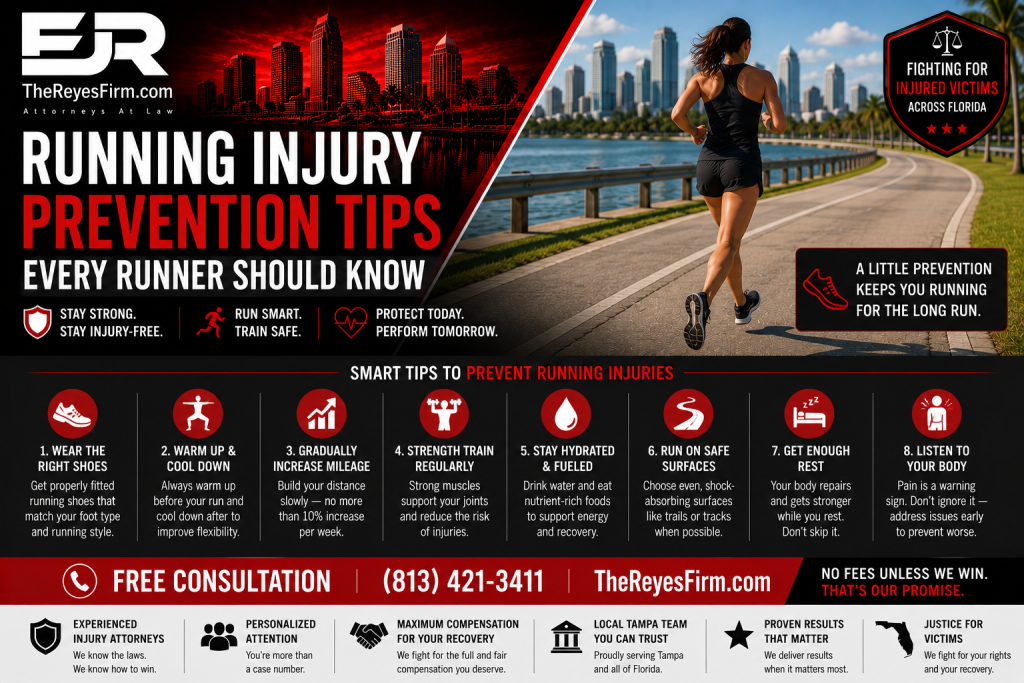
Running Injury Prevention Tips Every Runner Should Know

Few things derail a runner faster than an injury, and most of them build quietly from small mistakes in training. The good news is that the vast majority of running injuries are preventable with the right habits. And on the rare occasion your injury is caused by someone else, a careless driver, a hazardous path, or defective gear, you have options. Here is what every runner should know about both. The Reyes Firm Injured on a Run Because of Someone Else? A hazard, a driver, or defective gear? Know your rights. Had a bad day? Contact Us Now 2 Years Deadline to file an injury claim Fla. Stat. § 95.11(3)(a) 50% Fault share that bars recovery Fla. Stat. § 768.81 3 Years Notice deadline for government claims Fla. Stat. § 768.28 $200K Cap on a government injury claim Fla. Stat. § 768.28 Running rewards consistency, and nothing interrupts consistency like an injury. Most running injuries are preventable, so this guide starts with how to stay healthy on the road, then covers what to do in the less common situation where someone else’s negligence, not your training, is what put you on the sidelines. What are the most common running injuries? Most running injuries come from overuse, improper technique, or inadequate preparation rather than a single dramatic moment. The most common include: Runner’s knee. Pain around or behind the kneecap, often from muscle imbalance, tightness, or repetitive overuse. Shin splints. Sharp or throbbing pain along the inner shinbone, usually from ramping up activity too quickly. Plantar fasciitis. Heel pain that is worst in the morning, caused by inflammation of the tissue that supports the arch. Achilles tendinitis. Pain and stiffness in the Achilles tendon from overuse, poor footwear, or sudden increases in mileage. Ankle sprains, calf cramps, and hip injuries. Often triggered by twists, dehydration, electrolyte imbalances, or repetitive impact. The biggest risk factors are ramping up mileage too quickly, running in worn-out shoes, training on hard or uneven surfaces, and poor form or muscle imbalances. Recognizing these gives you the power to prevent most injuries before they start. For a deeper look at symptoms and treatment, WebMD’s running injury guide is a helpful resource. How can you prevent running injuries? Preventing injuries comes down to preparation, technique, and recovery working together. Build these habits into your routine: Warm up and cool down. Start with dynamic stretches like leg swings and high knees to boost blood flow, and finish with static stretches for your hamstrings, calves, and hip flexors. Run with proper form. Stand tall with a slight forward lean, take shorter and quicker strides to avoid overstriding, and aim for a midfoot strike to reduce joint impact. Strength train. Squats, lunges, planks, hip thrusts, and calf raises build the muscles that stabilize your joints and reduce strain. Cross-train. Low-impact activities like swimming, cycling, and yoga build fitness while giving your body a break from repetitive impact. Progress gradually. Follow the 10% rule and increase your weekly mileage by no more than 10% so your body has time to adapt. Rest and recovery are just as important as the miles you log. Prioritize quality sleep, stay hydrated, eat a balanced diet, and use active recovery like foam rolling and gentle stretching to help your body repair. Recovery is not time off from training, it is part of it. How do you choose the right shoes and know when to rest? The right shoes are one of your best defenses against injury. Choose footwear that matches your foot type and running style, prioritize cushioning, stability, and flexibility, and replace your shoes every 300 to 500 miles, since worn-out shoes lose support and invite injury. If you plan to explore new running routes, factor the terrain into the shoes you choose. Just as important is listening to your body. Persistent or sharp pain, swelling, and stiffness are red flags that should not be ignored, and powering through them is how a minor issue becomes a serious one. When warning signs appear, rest and adjust your plan, and if pain or discomfort persists, see a healthcare professional or physical therapist who can diagnose the problem and build a treatment plan for you. When can a running injury lead to a legal claim in Florida? Most running injuries are simply part of the sport, but some are caused by circumstances that make another party legally responsible. When that happens, you may have grounds to pursue compensation for your medical bills, lost wages, and pain and suffering. The three most common situations are a hazardous condition on a path or property, defective running gear, and a crash caused by a negligent driver. Knowing the difference between an ordinary training injury and one caused by negligence is the first step. The sections below explain each scenario and the Florida rules that apply. ⚠️ Deadline Warning: Under Florida Statute § 95.11(3)(a), you generally have two years from the date of your injury to file a personal injury lawsuit. If a government entity is responsible for a hazardous public path, an even earlier written notice is required, so do not wait to speak with a lawyer. What if a hazard on a public path or trail injures you? If a dangerous condition on a path causes your injury, the party responsible for maintaining that path may be liable. Hazards like potholes, uneven pavement, poor lighting, or broken equipment can support a premises liability claim when the owner failed to keep the area reasonably safe. On private property, that means the property owner. On a public trail or sidewalk, it often means a city or county. Claims against a government entity follow special rules under Florida Statute § 768.28. You must provide written notice of the claim within a strict deadline, and Florida law caps what you can recover from a government entity. These requirements are easy to miss and can bar an otherwise valid claim, which is why early legal advice matters so much for path and trail

Personal injury law experts near you
Blog, florida cities we serve, Legal, personal injury attorney, Why we serve

Top Personal Injury Defense Lawyers & Car Accident Attorneys Near You

After a car accident that wasn’t your fault, you are hurt, stressed, and facing an insurance company that does this every day. The right car accident lawyer levels that playing field and fights for what you are owed. Here is how to find an attorney near you who will put your recovery first. The Reyes Firm Looking for a Car Accident Lawyer Near You? Get an experienced Tampa advocate who fights for your recovery. Had a bad day? Contact Us Now 2 Years Florida statute of limitations Fla. Stat. § 95.11(3)(a) $10,000 Florida minimum PIP coverage Fla. Stat. § 627.736 14 Days Deadline to seek care for PIP Fla. Stat. § 627.736(1)(a) 50% Fault share that bars recovery Fla. Stat. § 768.81 Choosing the right lawyer after a car accident is one of the most important decisions you will make for your recovery. The attorney you hire shapes how your case is built, how the insurance company treats you, and ultimately what you recover. This guide walks through what to look for, how a good lawyer helps you, and how to choose the right firm near you. What should you look for in a car accident lawyer? The best car accident lawyer for you combines real experience, local knowledge, and a proven track record. Experience matters most, because an attorney who has handled many injury cases understands how to build a strong claim and anticipate the other side’s tactics. Look for someone who regularly handles motor vehicle accidents rather than a generalist who takes injury cases only occasionally. Just as important is a command of Florida law and a history of results. Car accident rules vary by state, so you want an attorney fluent in Florida’s specific insurance and liability rules. Review client testimonials and ask about the firm’s track record of settlements and verdicts, since a reputation for both negotiating strong settlements and winning at trial is a sign of a lawyer worth hiring. If you are unsure where to start, our guide to the top questions to ask a personal injury lawyer can help. How does a personal injury lawyer help you after a car accident? A personal injury lawyer takes the weight of the claim off your shoulders and fights to maximize what you recover. From the start, your attorney investigates the crash, gathers evidence, and works to establish the other driver’s negligence, building the strongest possible version of your case. This foundation is what gives you leverage when it is time to negotiate. Your lawyer also handles the insurance company directly, countering the tactics adjusters use to reduce payouts and pushing for fair compensation for your medical bills, lost wages, and pain and suffering. If a fair settlement cannot be reached, an experienced attorney is prepared to take your case to court, presenting evidence, cross-examining witnesses, and arguing your case before a judge or jury. ⚠️ Deadline Warning: Under Florida Statute § 95.11(3)(a), you generally have two years from the date of your crash to file a personal injury lawsuit. Missing this deadline almost always means losing your right to recover anything. Don’t wait to call a lawyer. Why does hiring a lawyer who knows Florida law matter? Florida’s rules are different from most states, and those differences can make or break your claim. Florida is a no-fault state, which means your own Personal Injury Protection coverage of at least $10,000 under Florida Statute § 627.736 pays first, regardless of who caused the crash. When your injuries are serious enough to meet Florida’s legal threshold, you can step outside no-fault and pursue the at-fault driver for your full damages. A lawyer who knows these rules protects you from costly mistakes, such as missing the deadline to seek treatment or accepting a settlement before the full extent of your injuries is known. That local knowledge is exactly what an out-of-state directory or a generalist cannot offer. 💡 Did You Know? Florida’s PIP law requires you to seek initial medical care within 14 days of your car accident. If you wait longer than 14 days to be seen, you can lose access to your Personal Injury Protection benefits entirely, even if your injuries are real and serious. Source: Fla. Stat. § 627.736(1)(a). What types of car accident cases do these attorneys handle? Car accident attorneys handle a wide range of crashes, each with its own challenges. Common cases include rear-end collisions, head-on crashes, and multi-vehicle pileups, along with more complex situations like hit-and-run incidents and DUI-related accidents. A skilled lawyer knows how the type of crash affects both liability and strategy. Some crashes involve additional layers of complexity, such as those involving commercial vehicles and trucks, where a company and its insurer may be involved. These cases often require more investigation and resources, which is one more reason experience and a well-equipped firm matter. How do car accident lawyers deal with insurance companies? Dealing with insurers is often the hardest part of a car accident claim, and it is where a lawyer earns their value. Adjusters are trained to minimize payouts, and they may use friendly-sounding tactics to get you to say something that hurts your claim or to accept far less than it is worth. An experienced attorney knows these strategies and negotiates from a position of strength. Your lawyer handles all communication with the insurance company, documents the full value of your losses, and pushes back on lowball offers so you receive fair compensation for property damage, medical expenses, lost wages, and pain and suffering. Knowing how policies and claims work, a good attorney advocates effectively where you might otherwise be pressured. Insurance issues can grow even more complicated when commercial and personal insurance overlap after a crash. 🛡️ Your Rights Under Florida Law: Under Florida Statute § 768.81, your compensation is reduced by your share of fault, and you may be barred from recovery if you are found greater than 50% responsible. Insurers often try to shift blame onto you to lower a payout,

Tampa electric scooter accident lawyer | tow truck accident lawyer
After an Accident, FAQ, florida cities we serve, Injury, Legal, Our Community, personal injury attorney, Scooter Accident, Why we serve

Tampa Electric Scooter Accident Lawyer: Fight for Your Compensation

Electric scooters have become a popular mode of transportation in Tampa, offering an eco-friendly and convenient way to navigate the bustling city. However, the rise of electric scooters has also led to increased accidents involving riders and pedestrians. If you’ve been injured in an electric scooter accident, understanding your rights and the process for seeking compensation is crucial. This article will guide you through essential steps after an accident, common causes of scooter accidents, how an electric scooter accident lawyer can assist you, the compensation you may seek, and when to schedule a free consultation with a personal injury attorney. What Should You Do After an Electric Scooter Accident? Immediate Steps to Take Following a Scooter Accident After an electric scooter accident, the priority is ensuring your safety and the safety of others. Call emergency services immediately if you or anyone involved in the accident is injured. Once you are safe, exchanging information with other parties, including names, contact information, and insurance details, is essential. If there were witnesses to the accident, gather their information as well, as their statements may be crucial for your accident case later. Document the scene by taking photos, capturing the location, the vehicles involved, and any visible injuries. This visual evidence can play a significant role in your claim. How to Document Your Accident Case Effectively Adequate documentation is vital in building a solid case following an electric scooter accident. Start by keeping a detailed record of all medical treatments you receive, including doctor visits, hospital stays, and rehabilitation. Maintain copies of all medical bills related to your injuries, as these will be essential when you seek compensation. Additionally, document any pain and suffering you experience from the accident, as this can be included in your claim. Keeping a daily journal that outlines your physical and emotional state can help illustrate the accident’s impact on your life. Lastly, consider contacting a scooter accident lawyer for guidance on how to document your case best. When to Contact an Accident Attorney It’s wise to contact an accident attorney immediately after your electric scooter accident, especially if you have sustained severe injuries. A personal injury lawyer can help you navigate the complexities of your case, ensuring that you meet all deadlines for filing a claim. If the accident involves complications such as multiple parties, potential negligence, or disputes over liability, an experienced scooter accident attorney can provide valuable legal representation. Remember, many personal injury attorneys offer free consultations, allowing you to discuss your case without any financial obligation. What Are Common Causes of Scooter Accidents? Understanding Negligence in Electric Scooter Accidents Negligence is often a significant factor in electric scooter accidents. A scooter rider may be injured due to the reckless behavior of other drivers, such as distracted driving or speeding. In some cases, scooter operators may also contribute to accidents by not following traffic laws, such as riding on sidewalks instead of designated bike lanes. Understanding the nuances of negligence can help identify who may be liable for your injuries, which is crucial when you seek compensation. How Poor Infrastructure Contributes to Scooter Accidents Poor infrastructure can significantly increase the risk of electric scooter accidents. Inadequate bike lanes, poorly maintained sidewalks, and insufficient signage can lead to dangerous situations for scooter riders. When cities do not invest in safe riding environments, collisions with motor vehicles or pedestrians can result. As a rider, being aware of your surroundings and the condition of the road can help minimize your risk of being involved in an accident. However, if road conditions contribute to your accident, you may have grounds to file a claim against the city’s negligence. Common Mistakes Riders Make Leading to Accidents Electric scooter riders sometimes make mistakes that can lead to accidents. One standard error is failing to wear a helmet, which can lead to severe injuries in the event of a fall or collision. Additionally, many riders underestimate the speed of electric scooters and may need more preparation for sudden stops or turns. Riding while distracted or under the influence of alcohol can also increase the likelihood of an accident. Understanding these common pitfalls can help scooter riders take precautions to protect themselves and others. How Can an Electric Scooter Accident Lawyer Help You? The Role of an Accident Attorney in Your Case An electric scooter accident lawyer is crucial in advocating for accident victims. They possess the legal knowledge and experience necessary to navigate the complexities of personal injury law, ensuring that you receive the compensation you deserve. Your attorney will investigate the accident’s circumstances, gather evidence, speak to witnesses, and negotiate with insurance companies on your behalf. Their expertise can significantly impact the outcome of your case, allowing you to focus on recovery while they handle legal matters. Benefits of Hiring a Scooter Accident Lawyer Hiring a scooter accident lawyer offers numerous benefits, particularly when maximizing compensation. These professionals understand the intricacies of personal injury claims. They can accurately assess your case’s value, considering factors such as medical expenses, lost wages, and pain and suffering. Additionally, your attorney will work on a contingency fee basis, meaning you only pay if they successfully recover compensation on your behalf. This arrangement allows you to access legal representation without the stress of upfront costs. What to Expect During Your Free Consultation During your free consultation with an electric scooter accident attorney, you can expect to discuss the details of your accident and the injuries you sustained. The attorney will ask questions regarding the circumstances of the accident, your medical treatment, and any documentation you have gathered. They will then provide an initial assessment of your case, discussing potential legal strategies and what compensation you may be entitled to. This meeting is an excellent opportunity for you to ask questions and determine if the attorney fits your needs. What Compensation Can You Seek After a Scooter Accident? Understanding Pain and Suffering Claims Pain and suffering claims are a critical component of many personal injury cases, including

Blog, FAQ, florida cities we serve, For Parents, For Teens, Injury, Legal, Our Community, Pedestrian Accident, personal injury attorney, Why we serve

Pedestrian Safety for Kids: Simple Tips Every Parent Should Know

With more vehicles on the road than ever, pedestrian safety for kids is a top priority. Each year, countless young pedestrians are involved in traffic accidents, making it essential for parents to teach children safe walking habits.  Equipping your kids with the proper knowledge and skills can help them stay aware and safe on busy streets.  This guide offers practical tips to empower your children to navigate their surroundings confidently and responsibly. Teaching Children Pedestrian Safety Start Early The earlier you start teaching your children about pedestrian safety, the better. Even toddlers can learn basic safety rules, like holding your hand while crossing the street. Lead by Example Children learn by observing their parents. Consistently model safe pedestrian behavior by using crosswalks and following traffic signals. Use Kid-Friendly Language Explain safety rules in simple terms that your child can understand. For instance, instead of using the word “right of way,” try saying, “Wait until the cars have stopped.” Focus on Crosswalks and Signals Teach your child always to use crosswalks and wait for the green light before crossing the street. Explain the meaning of different traffic signals in a way they can understand. Avoid Distractions Remind your child to avoid using electronic devices like phones or tablets while walking. These distractions can impair their awareness of their surroundings. Stay Visible Encourage your child to wear bright, reflective clothing, especially when visibility is low. This makes it easier for drivers to notice them. Practicing Pedestrian Safety for Kids Through Role-Play Creating Safe Scenarios To reinforce safe pedestrian habits, create role-playing scenarios where you and your child can practice crossing streets, obeying traffic signals, and avoiding distractions. Real-World Practice Take your child to a nearby crosswalk and practice safe crossing techniques. Remind them to look left, right, then left once more before crossing. Fun and Learning Make learning fun by incorporating games and activities into your child’s pedestrian safety education. For example: Obstacle Course: Set up an obstacle course with traffic cones and markers to simulate real-life situations. Safety Bingo: Create a bingo card with safety symbols and have your child spot them during walks. By using these techniques, you can make learning about pedestrian safety engaging and effective. The Importance of Supervision and Setting a Good Example Adult Supervision Young children, especially those under 10, should always be supervised by adults when crossing streets or walking near roads. Adults should hold their children’s hands and guide them safely across intersections. Setting a Positive Example Children learn by observing their parents and caregivers. Always model safe pedestrian behavior, such as: Look Both Ways, Twice:  Before crossing, check for traffic by looking left, right, and left again. Using Crosswalks: Emphasize the importance of using crosswalks and obeying traffic signals. Avoid Distractions: Avoid using electronic devices while walking, and encourage your child to do the same. Being Mindful of Traffic: Teach your child to be aware of cars, bicycles, and other vehicles. By setting a positive example and practicing safe pedestrian habits, you can help your child develop lifelong safety skills. For additional resources on teaching pedestrian safety to kids, consider exploring the Child Pedestrian Safety Curriculum by the NHTSA. This curriculum offers practical lessons and activities designed to build safe walking habits. Additional Pedestrian Safety Tips for Kids and Parents Car Safety Proper Car Seat Usage: Ensure your child is always properly restrained in a car or booster seat appropriate for their age and size. Seat Belt Safety: Once your child is old enough, teach them always to wear a seatbelt. Stranger Safety Stranger Danger: Teach your child never to talk to or accept rides from strangers. Emergency Contacts: Make sure your child knows your phone number and the phone number of another trusted adult. Safe Places: Designate safe places, such as a store or police station, where your child can go if they feel lost or unsafe. Family Safety Rules Family Meetings: Regularly review pedestrian safety tips, establish rules, and practice emergency procedures together. Role-Playing: Role-play different scenarios, such as getting lost or encountering a dangerous situation. Reward Positive Behavior: Reward your child for following safety rules to reinforce good habits. Positive Reinforcement Verbal Praise: Praise your child for following safety rules and making good choices. Small Rewards: Consider small rewards, such as stickers or special privileges, to motivate your child. Celebrate Milestones: Celebrate your child’s progress in learning and practicing safety skills. Following these tips and setting a solid example can help your child develop lifelong safety habits. Community and School Involvement in Pedestrian Safety Community Initiatives Many communities have organizations and programs focused on road safety for kids. These initiatives often include educational campaigns, safety audits of local roads, and advocacy for safer infrastructure. School Safety Programs Schools are essential in educating children about pedestrian safety. Encourage your child’s school to implement pedestrian safety programs that include: Classroom Education: Lessons on traffic signals, crosswalks, and safe walking practices. Field Trips: Organized walks to practice safe pedestrian crossing techniques and identify hazards. Safety Drills: Regular practice of emergency procedures, such as evacuations and lockdown drills. Working with schools and community organizations can create safer environments for children and reduce the risk of pedestrian accidents. Legal Considerations and Parental Support Understanding Pedestrian Rights As a pedestrian, you and your child have the right to use public roads safely. However, it’s essential to understand your area’s specific laws and regulations. When to Seek Legal Advice Legal guidance is essential if your child is involved in a pedestrian accident. A pedestrian accident attorney can assist you throughout the legal process and strive to secure the compensation you’re entitled to. A pedestrian accident law firm like The Reyes Firm can provide expert legal counsel to protect you and your child’s rights. Common Pedestrian Accident Scenarios Vehicle-Pedestrian Accidents: These accidents can occur when a driver fails to yield to a pedestrian, speeds or is distracted. Slip and Fall Accidents: Poorly maintained sidewalks or crosswalks can lead to slip and fall accidents, especially for children. Dog

Bicycle accident 1
Accident Injuries & why, Blog, florida cities we serve, Health, Injury, Legal, Our Community, personal injury attorney, Why we serve

Tampa Bicycle Accident Lawyers: Experienced Bicycle Accident Attorneys

In the bustling city of Tampa, riding a bicycle is a popular mode of transportation and a great way to enjoy the outdoors. Unfortunately, this activity also comes with its risks, often resulting in severe injuries due to bicycle accidents. When these incidents occur, having an experienced Tampa bicycle accident lawyer can make a significant difference in the outcome of an accident case. This article explores the common causes of bicycle accidents, what to do if injured in a bicycle accident, and how a bicycle accident attorney can assist victims in Tampa. What Are the Common Causes of Bicycle Accidents in Tampa? Understanding the Leading Causes of Bicycle Accidents Bicycle accidents in Tampa are often caused by various factors, some of which can be attributed to the behavior of motor vehicle operators. One of the leading causes of bicycle accidents is distracted driving, where drivers may fail to notice a bicycle rider due to texting, talking on the phone, or other distractions. Additionally, speeding significantly contributes to many bicycle accidents, reducing the time a motor vehicle operator has to react to a cyclist on the road. Inadequate bike lanes or the absence of designated cycling paths can also lead to dangerous situations where bicycles share the road with faster-moving vehicles. This lack of infrastructure poses risks to bicycle riders and is often a contributing factor in serious accidents. How Motor Vehicles Contribute to Bicycle Accidents Motor vehicles are a primary concern when discussing the causes of bicycle accidents. Many bicycle crashes occur when a vehicle fails to yield the right of way to a bicycle rider or makes sudden turns without checking for oncoming cyclists. In some instances, aggressive driving behavior can lead to close calls or collisions with cyclists. Furthermore, drivers’ inability to maintain a safe distance when passing a bicycle rider can also result in accidents. The relationship between cyclists and motor vehicles is crucial to understanding the dynamics of accidents in Tampa, as many injuries stem from these interactions. The Role of Poor Road Conditions in Bicycle Crashes Poor road conditions play a significant role in bicycle accidents, in addition to the actions of motor vehicle operators. Potholes, uneven pavement, debris, and inadequate signage can create hazardous situations for cyclists. In many cases, a cyclist may be forced to swerve to avoid a hazard, leading to loss of control and a potential crash. Local authorities must prioritize bicycle safety and maintain road conditions that protect all users, including bicycle riders. Understanding these environmental factors is essential for cyclists and legal professionals handling bicycle accident cases. What Should You Do If You Are Injured in a Bicycle Accident in Tampa? Immediate Steps to Take After a Bicycle Accident If you find yourself injured in a bicycle accident, the immediate steps you take can significantly impact your recovery and any potential legal claims. First and foremost, ensure your safety by moving to a secure location if possible. Seek medical attention, even if your injuries seem minor; some severe injuries may not present symptoms immediately. Collect information from witnesses and document the scene by taking photographs of the accident site, any vehicles involved, and visible injuries. This documentation is crucial for any future bicycle accident case you may pursue. How to Document Your Bicycle Accident for Legal Purposes Documenting your bicycle accident for legal purposes involves gathering as much information as possible. This includes obtaining contact and insurance information from the involved motor vehicle driver and any witnesses. Keep records of all medical treatments and expenses related to your injuries. Consider maintaining a diary that details your physical limitations and emotional distress as a result of the accident. This comprehensive documentation will provide your Tampa bicycle accident attorney with the necessary evidence to support your claim. When to Contact a Tampa Bicycle Accident Attorney It is advisable to contact a Tampa bicycle accident attorney immediately after an accident. An experienced bicycle accident lawyer understands Florida law and can provide crucial insights into your case. They can help you navigate the complexities of personal injury claims, mainly when dealing with insurance companies that may attempt to minimize your compensation. Early legal intervention can also ensure that critical evidence is preserved and you meet all necessary deadlines for filing your claim. What Types of Bicycle Accident Cases Can a Tampa Bicycle Accident Lawyer Handle? Typical Types of Bicycle Accidents A Tampa bicycle accident lawyer can handle various types of bicycle accidents. These include collisions with motor vehicles, falls caused by road hazards, accidents involving other cyclists, and incidents caused by defective bicycle equipment. Each type of accident presents unique circumstances that require a tailored legal approach. An experienced injury lawyer will be adept at identifying the responsible parties and building a solid case based on the specifics of the accident. Common Bicycle Accident Injuries and Their Implications Bicycle accident injuries can range from minor to severe, with some leading to long-term consequences for the victims. Common injuries include fractures, head injuries, spinal cord injuries, and soft tissue injuries. These injuries can result in significant medical expenses, loss of income, and emotional distress. Understanding the implications of these injuries is essential for both victims and their attorneys, as they impact the compensation sought in a bicycle accident case. An experienced Tampa bicycle accident attorney will work diligently to ensure that all aspects of the injury are considered when seeking compensation. Understanding Bicycle Accident Cases Involving Motor Vehicles Bicycle accident cases that involve motor vehicles typically present additional legal complexities. These cases often require a thorough investigation to establish liability and determine whether negligence on the part of the driver contributed to the accident. This may involve analyzing traffic laws, reviewing police reports, and gathering witness testimonies. A knowledgeable bicycle accident attorney will leverage their experience to build a compelling case that advocates for the rights of bicycle accident victims. How Can a Bicycle Accident Attorney Help Victims in Tampa? The Role of a Personal Injury Lawyer in Bicycle Accident Cases A personal

Stay safe on running paths
Blog, FAQ, florida cities we serve, Health, Legal, Our Community, personal injury attorney, Why we serve

Running Paths: Discover New Routes and Stay Safe

A good run can clear your head and start your day, but the wrong route, or one careless driver, can change everything in an instant. Whether you are chasing a personal best or just getting started, knowing where to run, how to stay safe, and what your rights are if a crash or hazard injures you makes every mile better. Here is your guide to all three. The Reyes Firm Injured While Running in Tampa? Hit by a car, bitten by a dog, or hurt by a hazard? Know your rights. Had a bad day? Contact Us Now 2 Years Deadline to file an injury claim Fla. Stat. § 95.11(3)(a) Strict Dog owner liability for bites Fla. Stat. § 767.04 3 Years Notice deadline for government claims Fla. Stat. § 768.28 50% Fault share that bars recovery Fla. Stat. § 768.81 Running is one of the simplest ways to stay healthy, and the right route keeps it interesting. This guide covers how to find great places to run, the apps that make it easier, how to stay safe on every outing, and the legal rights Florida runners should know if something goes wrong along the way. How do you find the best running routes near you? The best running route balances distance, terrain, safety, and scenery to match your goals. Most routes fall into three shapes: an out-and-back, where you run to a point and return, a loop that circles back to your start, or a point-to-point that ends somewhere new. Each offers a different rhythm and challenge. For ideas close to home, local parks often have scenic trails for every level, riverfront paths offer flat terrain and good views, and quiet residential streets can be a peaceful, low-traffic option. To keep things fresh, explore unfamiliar neighborhoods, run your usual loop in the opposite direction, or stitch together sections of different routes into a custom workout. What are the best apps for finding and tracking running routes? Running apps are like a digital training partner, helping you discover routes, track your pace, and map custom paths. A few of the most popular include: MapMyRun for route mapping, GPS tracking, and social features Strava for connecting with other runners, joining challenges, and tracking progress RunGo for turn-by-turn voice navigation, which is ideal for exploring new routes AllTrails for a large database of trails, especially in parks and rural areas Most apps let you draw and save custom routes, then calculate the distance and elevation for you. When you build one, mark clear waypoints at turns and intersections, add notes about hazards, and factor in traffic and lighting so your route is as safe as it is enjoyable. How can you stay safe on any running route? A few simple habits keep you safe no matter where you run. Stay hydrated before, during, and after your run, dress for the weather in breathable clothing, wear reflective gear in low light, and warm up to lower your injury risk. Just as important, carry your phone and some identification, use a safety app to share your location, and always let someone know your route and when you expect to be back. Weather changes the equation too. In heat, hydrate well and run during cooler hours. In cold, wear layers, a hat, and gloves. In rain, choose water-resistant gear and take extra care on slick surfaces. In wind, pick sheltered routes and protect exposed skin. For more running safety guidance, the Road Runners Club of America is a helpful national resource. What makes a good running route? The perfect route fits your fitness level while keeping you motivated. When choosing one, weigh the terrain, the distance, the difficulty, and above all the safety, favoring well-lit, low-traffic paths, especially after dark. Start with shorter distances and build gradually as your endurance grows. A strong route tends to be safe, scenic, easy to access, and varied enough to keep things interesting. Urban routes offer convenience and amenities but come with traffic and crowding, while rural routes offer peace and nature but take more planning. The right mix depends on what you value most in a run. What are your legal rights if you’re injured while running in Florida? Runners have the right to use public spaces safely, and when someone else’s negligence causes an injury, Florida law may entitle you to compensation. The most common situations are being struck by a careless driver, being attacked by a loose or unleashed dog, and being hurt by a dangerous condition on a poorly maintained path. Each of these can support a personal injury claim against the party responsible. Knowing your rights ahead of time helps you respond well if the unexpected happens. The sections below break down the three scenarios runners face most often, along with the Florida laws that apply. ⚠️ Deadline Warning: Under Florida Statute § 95.11(3)(a), you generally have two years from the date of your injury to file a personal injury lawsuit. If a government entity is responsible for a hazardous public path, an even earlier written notice may be required, so do not wait to speak with a lawyer. Can a dog owner be held liable if their dog attacks you while running? Yes, and Florida law is unusually protective of bite victims. Under Florida Statute § 767.04, a dog owner is strictly liable when their dog bites someone who is in a public place or lawfully in a private place, regardless of whether the dog ever showed aggression before. That means you do not have to prove the owner knew the dog was dangerous. Owners can also be held responsible under Florida law for other injuries a dog causes, such as knocking a runner down. If a dog attacks you on a run, get to safety, seek medical care, and document the dog, the owner, and the location. These cases are often covered by the owner’s homeowner’s or renter’s insurance. 💡 Did You Know? Florida is a strict liability state for dog

Bike Maintenance Checklist Keep Your Bicycle in Shape
Body Shops, personal injury attorney

Bike Maintenance Checklist: Keep Your Bicycle in Shape

A bike that is cared for rewards you with smooth, reliable, safer rides, while a neglected one wears out faster and can even become dangerous. The good news is that keeping your bicycle in top shape does not take much: a little regular attention goes a long way. This year-round maintenance checklist walks through what to do and when, and if a careless driver ever causes your crash, our bicycle accident attorneys are here to help. The Reyes Firm Injured in a Tampa Bicycle Crash? You kept your bike road-ready. Let us handle the rest. Had a bad day? Contact Us Now Clean & Lube The heart of upkeep Especially the chain Tires Pressure and tread Check regularly Brakes Pads and alignment Inspect often Drivetrain Chain, gears, cables Keep it smooth Bicycles are wonderfully simple machines, but their moving parts wear with every mile, and dirt, weather, and time all take a toll. A consistent maintenance routine keeps small issues from turning into expensive repairs or safety problems, and it makes every ride feel better. Most of the work is easy to learn, and building a few habits pays off all year long. Here is how to keep your bicycle in top shape. Why does regular bike maintenance matter? Maintenance does three things at once: it keeps your bike performing well, it extends the life of expensive components, and it keeps you safer. Worn brake pads, a stretched chain, or an underinflated tire do not just make for a worse ride, they can create real hazards, especially when you need to stop or maneuver quickly. The reassuring part is that a little routine attention prevents most problems. Wiping down your bike, keeping the chain clean and lubricated, and checking a few key parts regularly will catch issues early and keep everything working the way it should. This article focuses on that upkeep; for the riding side of staying safe, see our bike safety tips to prevent common cycling injuries. How do you keep your bike clean and lubricated? Cleaning is the foundation of maintenance, because grime wears down components and hides problems. Wipe your frame down regularly, and clean the drivetrain, the chain, cassette, and derailleurs, when it looks dirty, using a degreaser and a brush to clear built-up gunk. Avoid blasting your bike with high-pressure water, which can force water into bearings. Once the chain is clean and dry, lubricate it. Apply a bicycle-specific lubricant to the chain, let it settle in, then wipe off the excess so it does not attract dirt. A clean, properly lubricated chain shifts better, runs quieter, and lasts far longer than a neglected one. Choose a wet or dry lube suited to your typical riding conditions, and reapply after wet rides or when the chain starts to sound dry. 💡 Did You Know? The chain is the part of your bike that wears fastest, and a dirty or dry one accelerates wear on the more expensive gears it touches. Keeping the chain clean and lubricated is the single highest-value maintenance habit, saving you money and giving you smoother, quieter, safer shifting. How should you care for your tires and brakes? Tires and brakes are safety-critical, so give them regular attention. Keep your tires inflated to the pressure range printed on the sidewall, checking before rides since tubes lose air over time, and inspect the tread and sidewalls for wear, cuts, cracks, or embedded debris. Worn or damaged tires lose grip and are more prone to flats, and should be replaced before they fail. For brakes, check the pads for wear and replace them when they get thin, and make sure they engage firmly and are properly aligned with the rim or rotor. On rim brakes, watch for worn pads and grime on the braking surface; on disc brakes, listen for rubbing and keep the rotors clean and free of oil. Brakes that feel weak, spongy, or noisy are telling you they need attention. How do you maintain the drivetrain, cables, and bolts? Beyond cleaning and lubing, the drivetrain needs occasional deeper checks. Over time a chain stretches as it wears, and a worn chain damages the cassette and chainrings, so replacing it at the right point saves money in the long run, a bike shop can measure chain wear if you are unsure. Watch for skipping gears or hesitant shifting, which often means the cables or derailleur need adjustment. Cables and bolts round out the routine. Shifter and brake cables stretch and fray over time and benefit from occasional adjustment or replacement, and cable housing should be intact. Periodically check that key bolts, on the stem, handlebars, seat post, and wheels, are snug, using a torque wrench where specified so you do not overtighten. A quick check of these areas keeps the whole bike tight and predictable. What maintenance should you do seasonally or before storage? In addition to your regular routine, a deeper seasonal service keeps your bike healthy over the long term. Every so often, give the bike a thorough cleaning, a careful inspection of the frame for cracks or damage, and a check of the wheels for trueness and loose spokes, along with the bearings in the hubs, headset, and bottom bracket for smooth movement. Many riders schedule a professional tune-up once a year. Storage matters too. If you put your bike away for part of the season, clean and lubricate it first, inflate the tires, and store it somewhere dry and out of direct sun. Before returning to the road after a layoff, run through your checklist again, since tires can lose pressure and lubricant can dry out while a bike sits. When a job is beyond your comfort level, a good bike shop is well worth the visit. 🛡️ When Maintenance Isn’t Enough: Even a perfectly maintained bicycle cannot protect you from a distracted or careless driver. If a motorist’s negligence caused your crash, you may be entitled to compensation, and under Florida Statute § 95.11(5)(a) you

Scroll to Top