Motorcycle Accidents Cause More Injuries: What to Do?
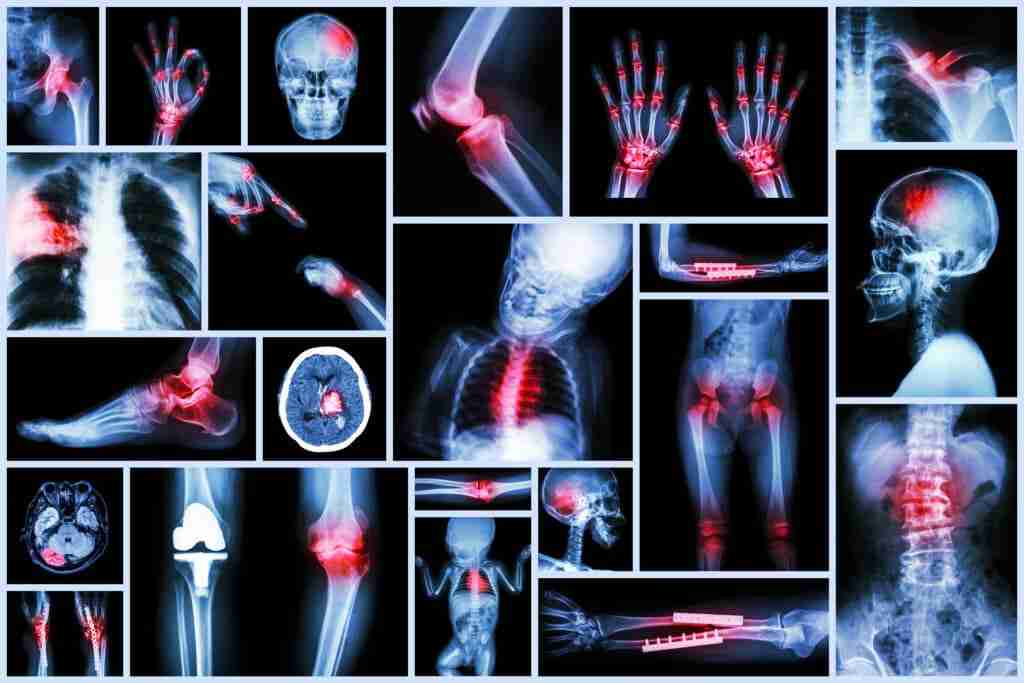
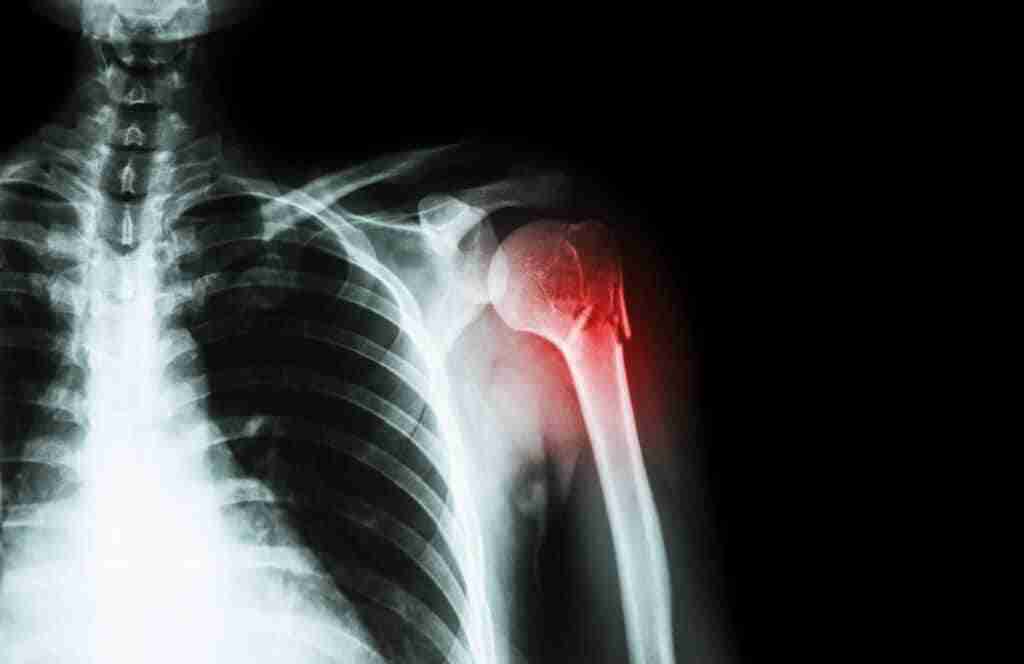
You were just riding home through Tampa. Then a driver who never saw you turned across your lane, and in an instant everything changed. Now you’re facing serious injuries, mounting medical bills, and an insurance company that is already building its case against you. Here’s what you need to know about your Florida motorcycle accident claim before you say another word to an adjuster. TL;DR — QUICK SUMMARY Motorcycle riders absorb the full force of a crash with almost no protection, which is why these collisions cause far more severe injuries than typical car accidents. Florida’s no-fault PIP insurance does not cover motorcycle injuries, so you generally must pursue the at-fault driver and their bodily injury liability coverage directly. Evidence such as skid marks, vehicle damage, and dashcam or surveillance footage disappears quickly, so preserving it early can make or break your case. You have two years from the date of the crash to file a personal injury lawsuit under Florida Statute 95.11(3)(a), and missing this deadline usually ends your claim. Even if you legally rode without a helmet, the insurer may try to blame you to cut your payout, and an experienced Tampa attorney can push back. The Reyes Firm Hurt in a Motorcycle Crash in Tampa? Get clear next steps after a serious motorcycle accident. Had a bad day? Contact Us Now 578 Florida motorcycle deaths in 2024 FLHSMV Crash Dashboard 2024 9,420 Florida motorcycle crashes in 2024 FLHSMV Crash Dashboard 2024 2 Years Florida statute of limitations Fla. Stat. 95.11(3)(a) #1 Deadliest U.S. state for riders FLHSMV / NHTSA, 3 years running Why do motorcycle accidents cause so much more serious injury than car crashes? Motorcycle accidents cause more severe injuries because a rider has almost nothing between their body and the road, while a car occupant is surrounded by a steel frame, seatbelts, crumple zones, and airbags. When a motorcycle is struck, the rider is often thrown from the bike and hits the pavement, another vehicle, or a fixed object with the full force of the impact. That physics is why a crash that might leave a car driver shaken but uninjured can leave a motorcyclist with life-altering harm. Common motorcycle accident injuries include traumatic brain injuries, spinal cord injuries and paralysis, broken bones, severe road rash, internal organ damage, and amputations. Head injuries are especially dangerous. A serious traumatic brain injury can change how you think, work, and live, sometimes permanently. In the most tragic cases, families are left pursuing a wrongful death claim after losing someone they love. The severity of these injuries is also why motorcycle claims deserve to be taken seriously from day one. Can you sue the driver who caused your Tampa motorcycle accident? Yes. If another driver’s negligence caused your motorcycle crash, you can pursue a claim against that driver for the harm they caused you. Florida law lets injured riders seek compensation when someone else’s careless or reckless driving leads to their injuries, whether the other driver ran a red light, turned left across your path, followed too closely, or was distracted behind the wheel. The challenge is that motorcyclists face an unfair stigma. Insurance companies often assume the rider was speeding or weaving, even when the driver of the car was entirely at fault. Building your case means proving what actually happened, and that work starts the moment the crash occurs. ⚠️ Deadline Warning: Under Florida Statute § 95.11(3)(a), you have two years from the date of your crash to file a personal injury lawsuit. Missing this deadline almost always means losing your right to recover anything. Don’t wait to call a lawyer. Does Florida’s no-fault insurance cover your motorcycle accident? No. Florida’s no-fault Personal Injury Protection (PIP) system does not cover motorcycle injuries, even though it covers drivers and passengers in cars. Under Florida Statute § 627.736, PIP benefits apply to motor vehicles as the statute defines them, and motorcycles fall outside that definition. This is one of the most misunderstood points in Florida motorcycle law, and it has real consequences. Unlike a car accident, where your own PIP pays the first portion of your medical bills regardless of fault, an injured motorcyclist usually has to recover from the at-fault driver’s bodily injury liability coverage, plus any uninsured or underinsured motorist and MedPay coverage you carry on your own policy. Because that compensation depends on proving fault and locating the right insurance, having a lawyer who knows how to stack these sources of coverage matters. 💡 Did You Know? According to the Florida Highway Safety and Motor Vehicles Crash Dashboard, Florida recorded 9,420 motorcycle crashes in 2024, resulting in 578 rider deaths and 8,106 injuries. For the third year in a row, Florida led the nation in motorcycle fatalities. Source: FLHSMV Crash Dashboard, 2024. Note: 2024 crash numbers are preliminary. Watch: How Motorcycle Accidents Are Different Than Car Accidents This short video walks through the first moves that protect both your health and your legal claim after a motorcycle crash in Florida. If you have questions after watching, The Reyes Firm offers free consultations and can review your situation at no cost. Who is actually liable for your Tampa motorcycle crash? Liability depends on who caused the crash, and it is not always only the other driver. Depending on the facts, responsible parties can include the at-fault motorist, their employer if they were driving for work, a vehicle owner who let an unsafe driver use their car, a government agency responsible for a dangerous road defect, or a manufacturer whose defective part contributed to the wreck. Florida also follows a modified comparative negligence rule, which means the insurance company will look for ways to shift blame onto you. One common tactic in motorcycle cases involves helmets. Florida law under Florida Statute § 316.211 allows riders 21 and older to ride without a helmet if they carry at least $10,000 in medical benefits coverage. Even when you rode legally, a defense lawyer may argue that not wearing