Tractor-Trailer Crash on I-95 at Commercial Boulevard in Broward: What Injured Drivers Should Do Next
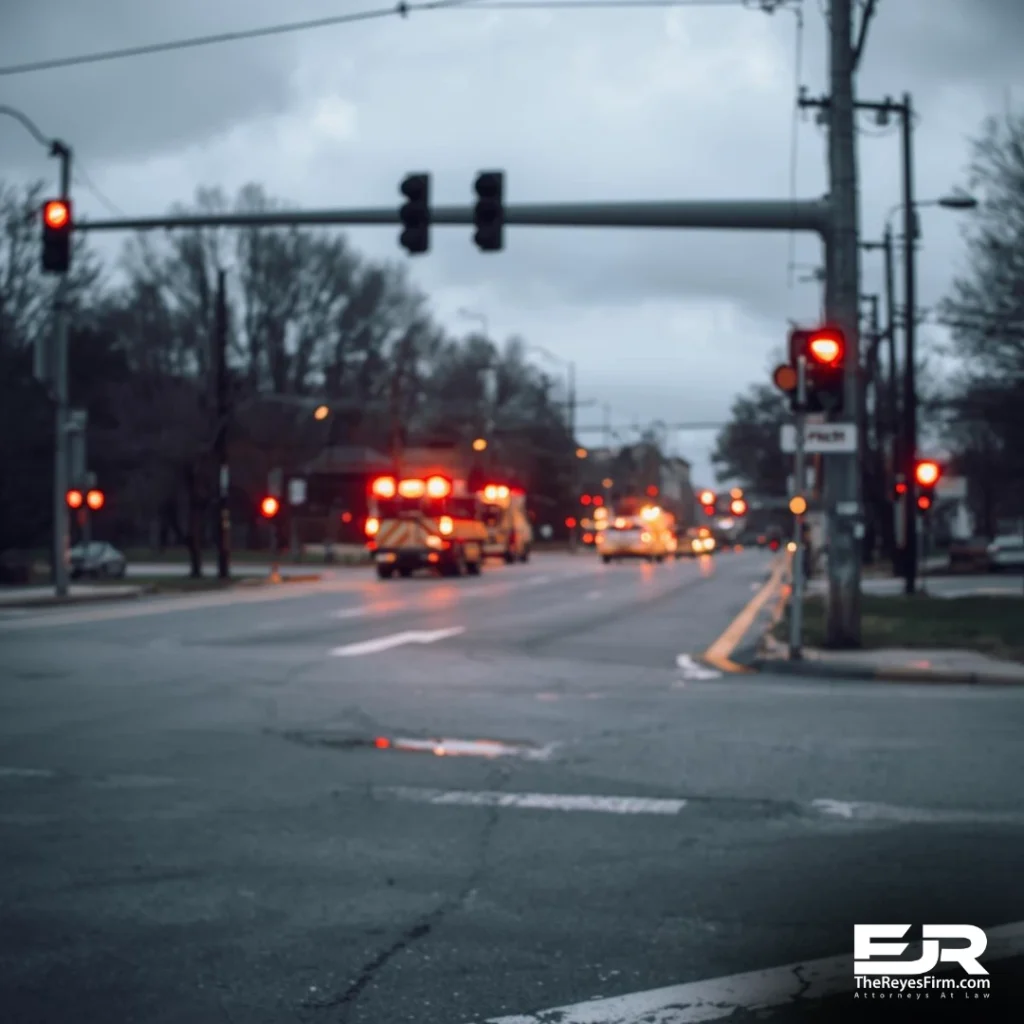
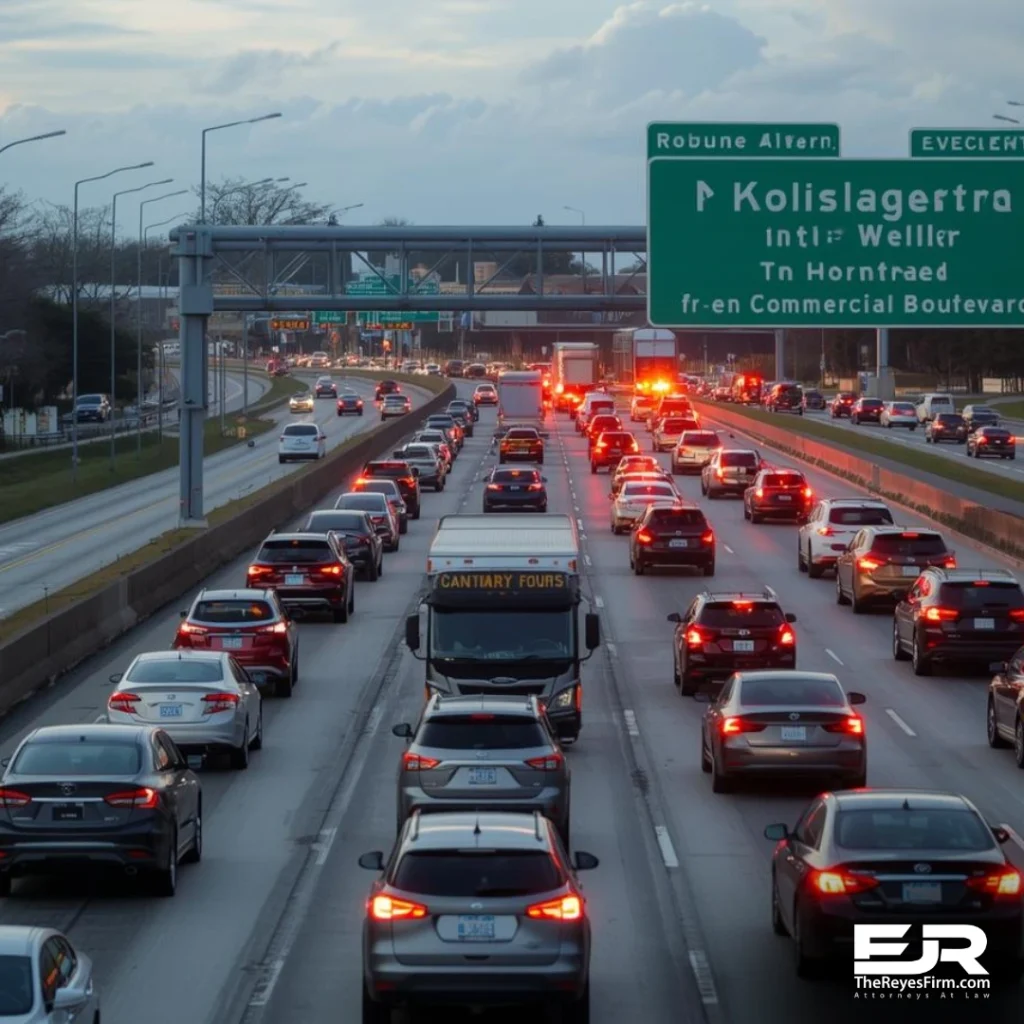
A crash on I-95 can feel unreal. One second, a driver is moving with traffic, and the next second, everything stops. Cars slam their brakes, people honk, and the road turns into a wall of flashing lights. After a tractor-trailer crash on I-95 at Commercial Boulevard, most people are not thinking about legal rules. They are thinking about pain, their passengers, their car, and how they are going to get home. It is normal to feel overwhelmed. This guide focuses on what matters most. First, health and safety. Then, simple steps that help protect a future claim, especially when a commercial truck and multiple vehicles are involved. After a crash like this, speaking with a commercial vehicle and truck accident lawyer can help preserve evidence and address insurance pressure. Details of the FedEx and Multi-Vehicle Crash on I-95 at Commercial Boulevard Commercial Boulevard (SR-870) is a major road in Broward County, and the ramps near Exit 32 are busy, especially in the morning. Drivers often change lanes to make the exit, and traffic can slow down fast. In this reported crash, Florida Highway Patrol said it happened around 9 a.m. on northbound I-95 at the Commercial Boulevard exit. Troopers said it involved a FedEx truck, a semi-truck, and five other vehicles. Four people were taken to the hospital, and the off-ramp remained closed for hours before reopening. The reported chain of events began with a lane-change attempt near the exit, resulting in multiple impacts and a semi-truck losing an axle. Two other vehicles then struck the FedEx truck while trying to avoid the semi-truck. For someone injured in this kind of crash, the big lesson is simple. On a highway, one sudden move can affect many vehicles, and even careful drivers can get caught with nowhere to go. Why tractor-trailer crashes can hurt people more A tractor-trailer is not just a bigger car. It is heavier, longer, and harder to stop. When something goes wrong, the damage can spread fast. Here is why injuries can be catastrophic in truck crashes: Bigger force: A heavy truck carries more momentum. That means the impact can hit harder. More vehicles involved: When traffic stops on I-95, cars behind may not have time or space to brake. Multiple impacts: A person can be hit once, then pushed and hit again. Hidden injuries: Adrenaline can make someone feel okay at first. Pain can show up later. Common injuries include neck and back pain, whiplash, herniated discs, concussions, broken bones, shoulder injuries, knee injuries, and wrist injuries from bracing. Some people also deal with anxiety, nightmares, or fear of driving after a serious highway wreck. What to do right away after the crash If someone was involved in the tractor-trailer crash on I-95 at Commercial Boulevard, these steps help protect health and a claim. 1) Get to safety, if it is possible If the car can move and it is safe, pulling to the shoulder can lower the risk of another crash. If it cannot move, hazard lights should be on, and everyone should stay alert. Highways are dangerous after a collision because other drivers may not see stopped traffic in time. 2) Call 911 and ask for help Police and medical response matter in a major crash. If anyone feels pain, dizziness, confusion, or numbness, they should say so. Those symptoms can be signs of a serious injury. 3) Take photos and videos, but only when it is safe Evidence disappears fast once vehicles are moved and lanes reopen. Photos should include: All vehicles from wide angles and close-ups Damage on each side of the vehicles License plates Company names, logos, and markings on the truck DOT numbers on the truck (often on the cab door) Skid marks, debris, and the position of vehicles Road signs showing I-95 and the Commercial Boulevard exit These details can matter later when insurers argue about how the crash happened. 4) Get witness info Witnesses often leave once traffic resumes. If possible, someone should collect: Name and phone number A quick sentence about what the witness saw Whether the witness has dashcam footage 5) Avoid talking about fault at the scene People are often in shock. It is easy to say something that gets misunderstood. The safer approach is to stick to facts, get help, and let the investigation handle fault. Medical care matters, even if pain shows up later Many injuries do not feel serious at first. A person might go home and then wake up the next day with headaches, neck pain, back stiffness, or tingling in the arms. A smart plan looks like this: Get checked the same day if symptoms are strong Follow up with a doctor soon after, even if symptoms feel mild Explain every symptom clearly, including dizziness, nausea, numbness, and sleep issues Follow the treatment plan and attend appointments This is important for healing. It also creates a clear record that connects the injury to the crash. Insurance companies often use delays and gaps in care as reasons to deny or reduce claims. What to say to insurance companies, and what to avoid After a crash, calls often come quickly. Adjusters may sound friendly, but they are trained to limit what the company pays. Usually safe to share Name and contact information Where the crash happened That medical care is being handled Best to avoid Recorded statements to the other insurer Guessing speed, distance, or timing Saying “I’m fine” before a full medical check Signing broad medical releases without understanding them Accepting a quick settlement before the injury picture is clear A person does not need to argue with an adjuster. They can politely say they are getting medical care and will respond later. Why truck crash cases are different from regular car crashes A truck crash case often has more moving parts. There may be more insurance coverage, and there may also be more pressure from the trucking side. Evidence that can matter in a truck case Truck cases may