Who Is Liable After a Construction Truck Accident in Tampa?
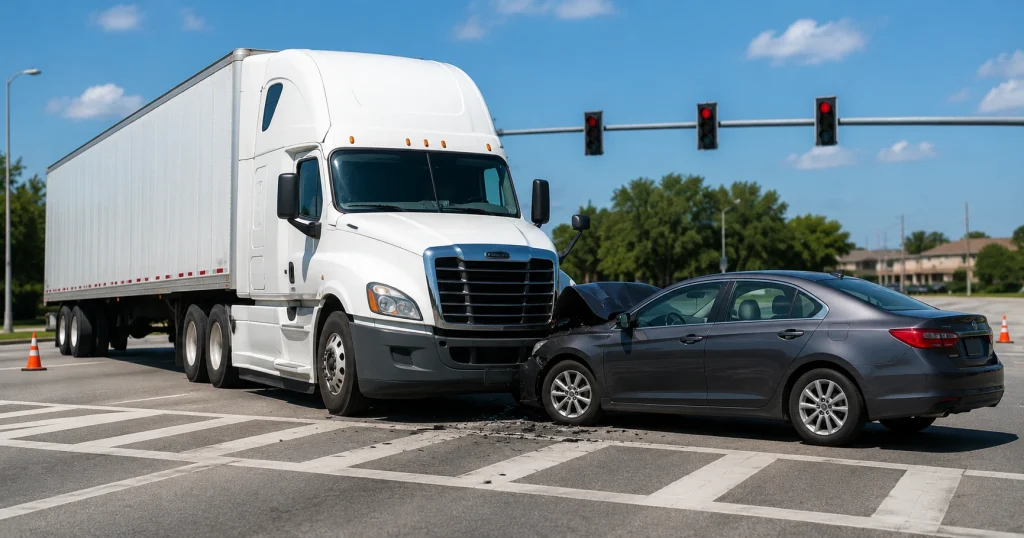
What You Need to Know A construction truck driver may not be the only person responsible for your crash. The driver’s employer, truck owner, contractor, loader, maintenance provider, or parts manufacturer may also be liable. Driver logs, electronic truck data, inspection records, contracts, and jobsite records can disappear or be overwritten. Florida generally gives you two years to file a negligence lawsuit, but some cases have shorter notice requirements. This guide covers roadway crashes involving construction vehicles, not workers’ compensation claims for injuries inside a jobsite. Had a bad day? Call The Reyes Firm at 833-4 BAD DAY. A crash with a dump truck, cement mixer, flatbed, or equipment hauler can leave you badly hurt and unsure which company is responsible. The logo on the door may not tell the full story. Several contractors, owners, and insurers may be connected to the same vehicle. A construction truck accident lawyer can investigate those relationships, preserve evidence, and identify every available insurance policy. At The Reyes Firm, we help injured people understand their options and take action before important records disappear. For help with a serious commercial vehicle claim, visit our Tampa truck and commercial vehicle accident attorney page or call 833-4 BAD DAY. The Reyes Firm is located at 4730 N. Habana Ave., Suite 201, Tampa, FL 33614. Who Can Be Held Liable for a Construction Truck Accident? The construction truck driver, employer, truck owner, general contractor, subcontractor, cargo loader, maintenance company, or parts manufacturer may be liable. Liability depends on the driver’s work assignment, vehicle ownership, contracts, safety records, cargo handling, and the act that caused the crash. More than one insurance policy may apply. The driver A driver may be responsible for speeding, following too closely, distracted driving, unsafe lane changes, fatigue, impairment, or failing to inspect the truck. A citation can be useful evidence, but a citation is not required to bring an injury claim. The driver’s employer An employer may be responsible for a driver’s negligence when the driver was acting within the scope of the job. The company may also face direct claims for unsafe hiring, poor training, weak supervision, or keeping a dangerous driver on the road. The truck owner or leasing company Construction vehicles are often rented, leased, or owned by a company other than the driver’s employer. Before deciding who should be included in the claim, examine maintenance responsibilities and control over the vehicle. Contractors and subcontractors A general contractor may hire a hauling company to move soil, concrete, debris, steel, or equipment. Contracts, dispatch messages, delivery tickets, and site-entry records can show which business controlled the work and created the unsafe condition. Cargo loaders and maintenance providers An improperly loaded truck may spill materials, roll over, or take longer to stop. A separate maintenance provider may be responsible for failed brakes, worn tires, broken lights, or other unsafe equipment. Vehicle and parts manufacturers A defective tire, brake component, steering system, coupling device, or warning system may support a product liability claim. Protect the truck and damaged parts from alteration or disposal so qualified experts can inspect them. ⚠️ Warning: Florida’s filing deadline can expire quickly Florida generally allows two years to file a lawsuit based on negligence under Florida Statute § 95.11(5)(a). A government vehicle, public road project, death, or other special circumstance may create different deadlines or notice rules. Do not wait until the deadline is close. What Makes Construction Truck Crashes Different From Ordinary Car Accidents? Construction truck crashes often involve heavier vehicles, specialized equipment, commercial safety rules, layered contracts, and several insurers. Dump trucks, cement mixers, flatbeds, utility trucks, and equipment haulers also have large blind spots and longer stopping distances. Their records can reveal safety failures that an ordinary police report may not show. Construction vehicles may carry loose gravel, sand, concrete, steel, machinery, or demolition debris. Shifting or falling material can cause a collision even when the truck never touches another vehicle. Florida applies commercial vehicle safety requirements through Florida Statute § 316.302. The exact state and federal rules that apply depend on the truck, its weight, cargo, route, and business operation. Common construction vehicle crashes include: Dump truck rollovers Rear-end crashes involving loaded trucks Cement mixer crashes Flatbed cargo spills Wide-turn and blind-spot collisions Equipment trailer separations Work-zone collisions Our guide to the types of truck accidents in Florida explains how the crash type can point to its cause. Cargo records and weight data may be especially important after an overloaded truck accident. 💡 Did You Know? In 2022, 29% of fatal crashes in work zones and 12% of injury crashes in work zones involved at least one large truck, according to the Federal Motor Carrier Safety Administration. FMCSA also tracks large-truck crashes by roadway type, lighting, weather, road surface, and other conditions. These factors can become important when investigating a construction truck crash and determining what contributed to it. Source: FMCSA Large Truck and Bus Crash Facts 2022. What Evidence Can Prove Who Caused the Crash? Strong construction truck cases rely on evidence from the roadway, the truck, the driver, the companies, the project, and medical treatment. A prompt preservation letter can require businesses to keep records and physical evidence. The investigation should begin before electronic data is overwritten, surveillance is deleted, or the truck is repaired and returned to service. Important evidence may include: Police reports, photographs, video, and witness statements Electronic logging device and engine control module data Dash camera, nearby business, traffic, and jobsite footage Driver qualification, training, and disciplinary records Hours-of-service, dispatch, GPS, and phone records Pre-trip inspection and maintenance records Load tickets, weigh records, delivery receipts, and cargo documents Contracts between contractors, subcontractors, owners, and haulers Site-entry logs and project schedules The truck, trailer, tie-downs, tires, brakes, and damaged parts Medical records, bills, wage records, and injury photographs The police report is only a starting point. It may identify vehicles and witnesses, but it rarely contains every contract, electronic record, or safety document needed to establish company liability. The